Germination Station for Tower Hydroponic System
Introduction
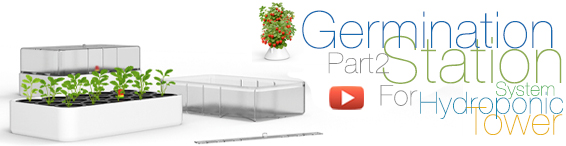
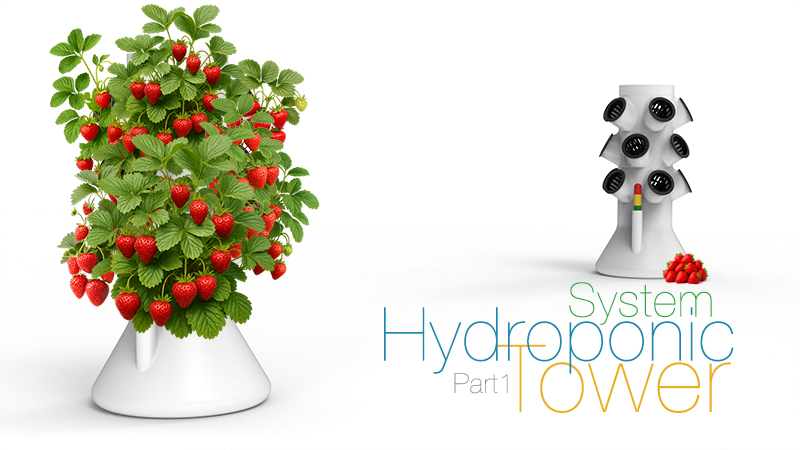
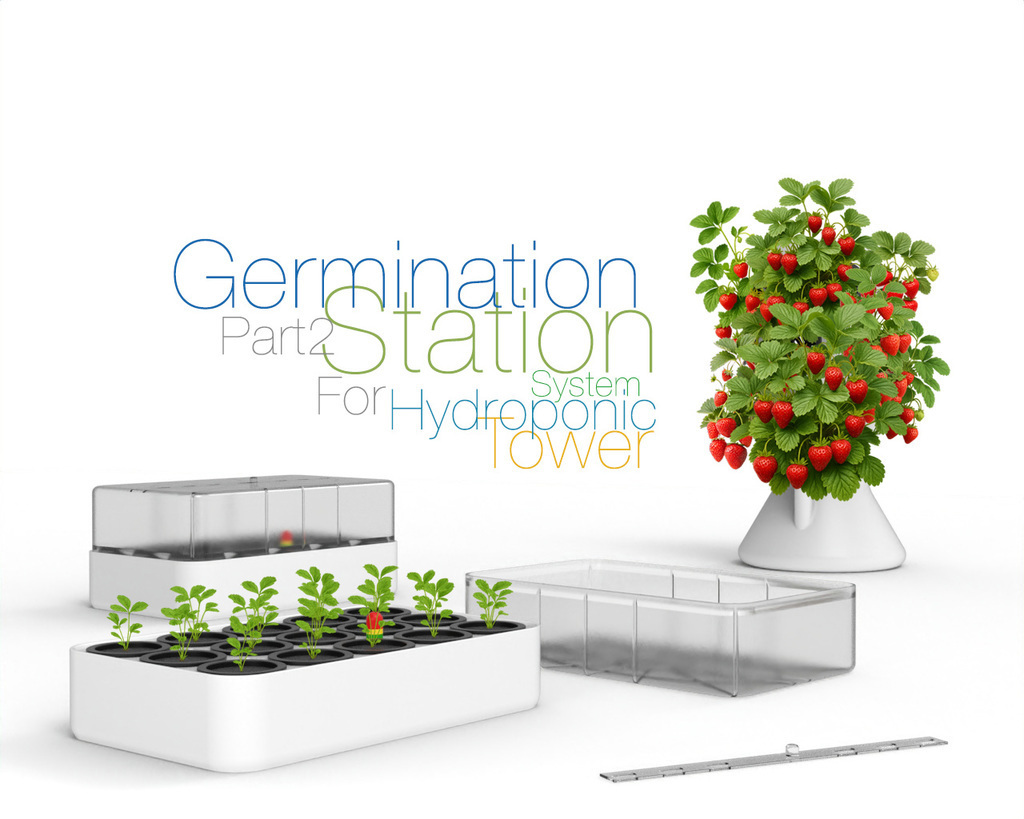
After publishing the Tower Hydroponic System , it became clear that home growing is a topic that resonates with many. The tower itself turned out to be quite advanced and naturally sparked ideas for expansion. Accessories practically begged to be added. Today’s post is dedicated to one of them — the Germination Station.
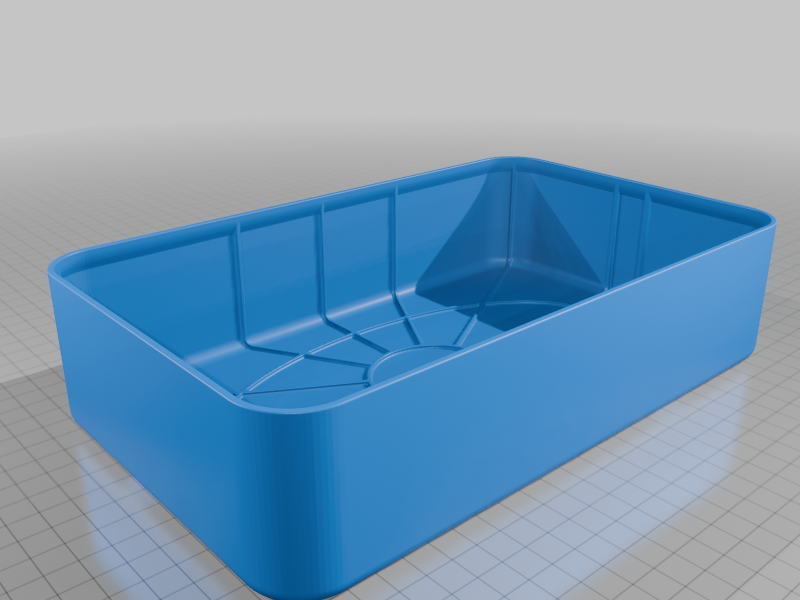
If you're already familiar with the field, you don’t need an explanation. But for beginners — this is basically a mini-greenhouse, a nursery box for sprouting seeds. A compact incubator for your future seedlings — lightweight but thoughtfully designed.
Upcoming Accessories
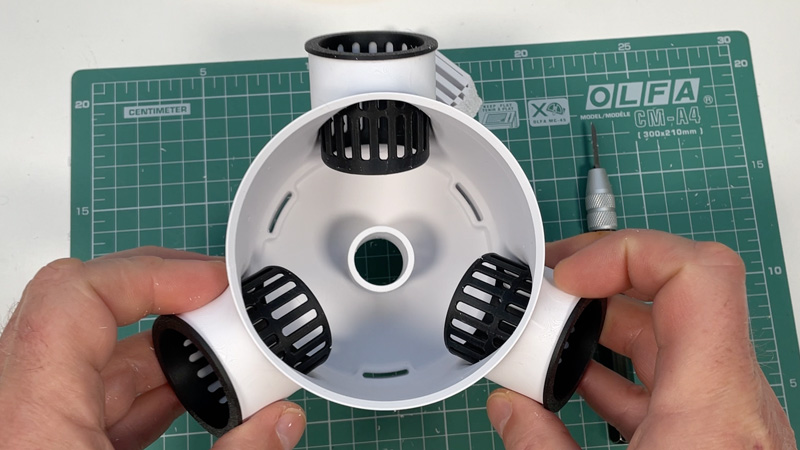
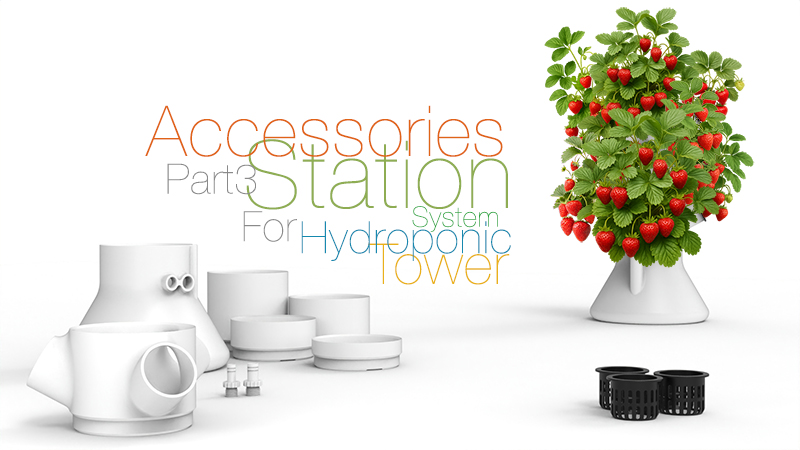
And there's more to come. New accessories are already being prepared. For example, a new tower section with modified geometry. I’ll also be publishing extension modules that allow you to increase the tower’s height. In development — a lighting module and a controller for managing the lights and pump.
Also in progress: an external container with fittings to connect to a larger tank with nutrient solution. This is useful for crops with high nutrient demands. You can hide the tank below and set up a proper circulation system. If you have multiple towers, they’ll work together as one system.
Support and Feedback
So follow, like, and boost — that really speeds up my development process. When I see interest, I move faster.
Printing Materials
Everything that will be exposed to UV should ideally be printed from ASA plastic. PLA and PETG will degrade within a season or two. ABS with UV-protective coating is also an option, but ASA is better.
I recommend printing both the tower and the Germination Station container from ASA — and in white. Why white? First, it reflects light, which means less heat. Second, reduced temperature keeps the root zone healthy. Overheating is bad news for plants.
Dome Material
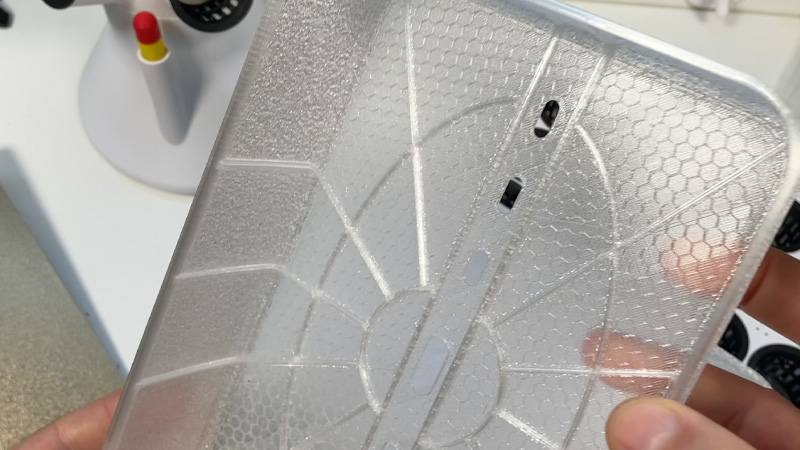
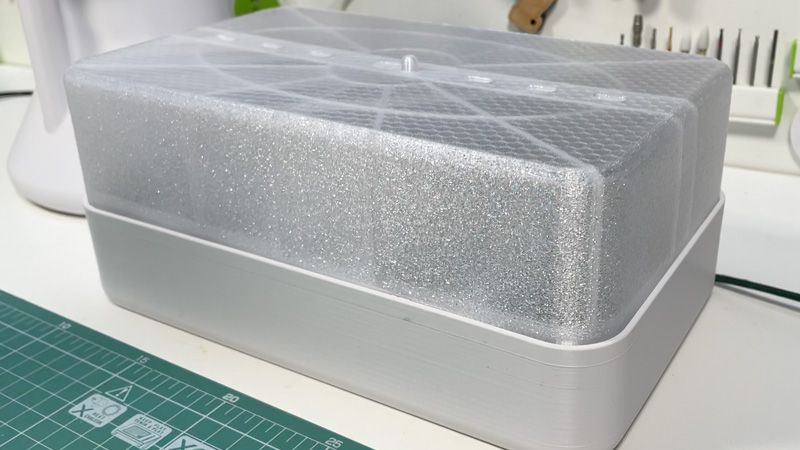
The dome is best printed in transparent PETG because it allows light — including parts of the UV spectrum — to pass through well. An alternative is polycarbonate, which is stronger, but it filters out active UV-A (around 365–385 nm). Some plants need that, but for most, the safe blue and deep red spectrum is enough.
We’ll talk more about LED spectrum and configuration in a separate video.
Dome Construction Details
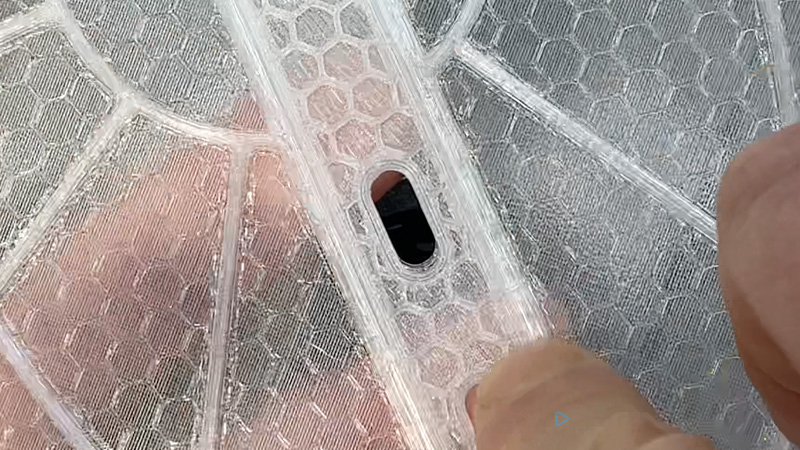
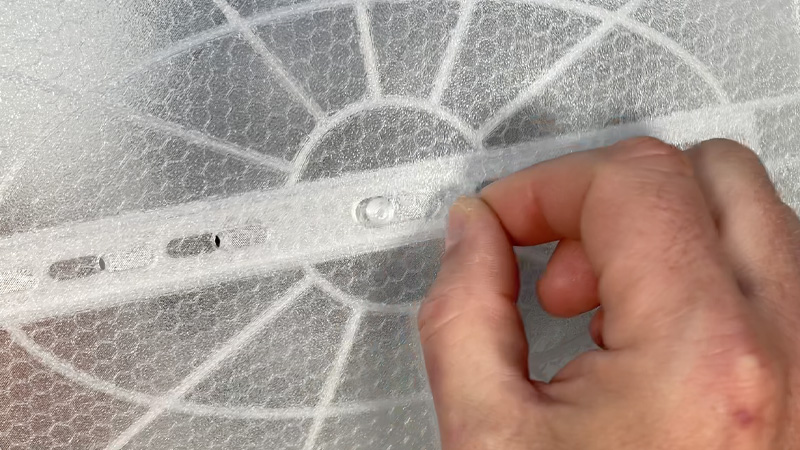
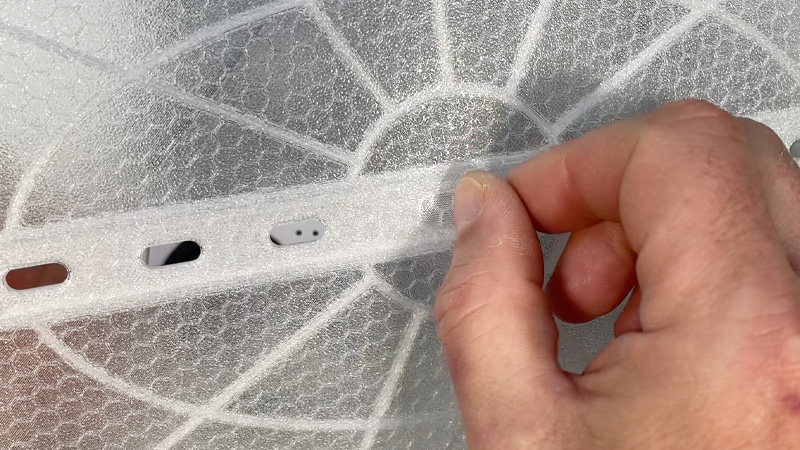
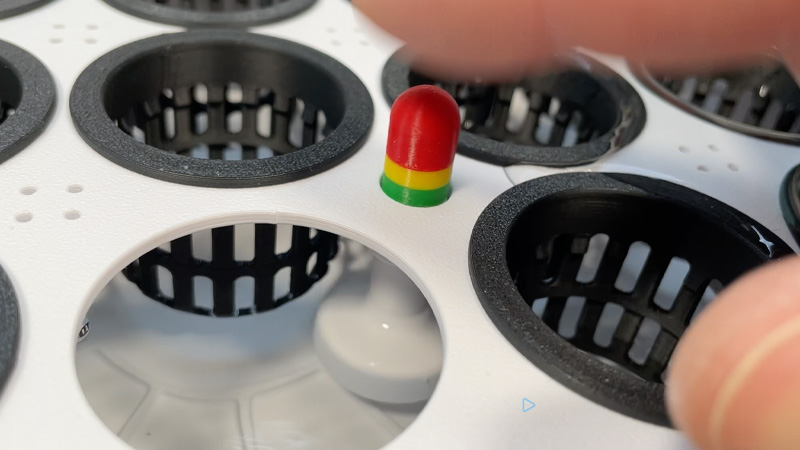
The dome is complex. It had to be split into parts for printing. Each part has its own configuration to achieve a dome that is both thin and strong, allowing maximum light transmission. But in the end, the dome prints as a single part. You can see all the details in my 3MF file . One dome is already included in the file, but if needed, you can download STL versions in other sizes — up to 150 mm in height — and print what you need based on my settings. If you need something custom, just let me know and I’ll add the STL.
Assembly and Alternatives
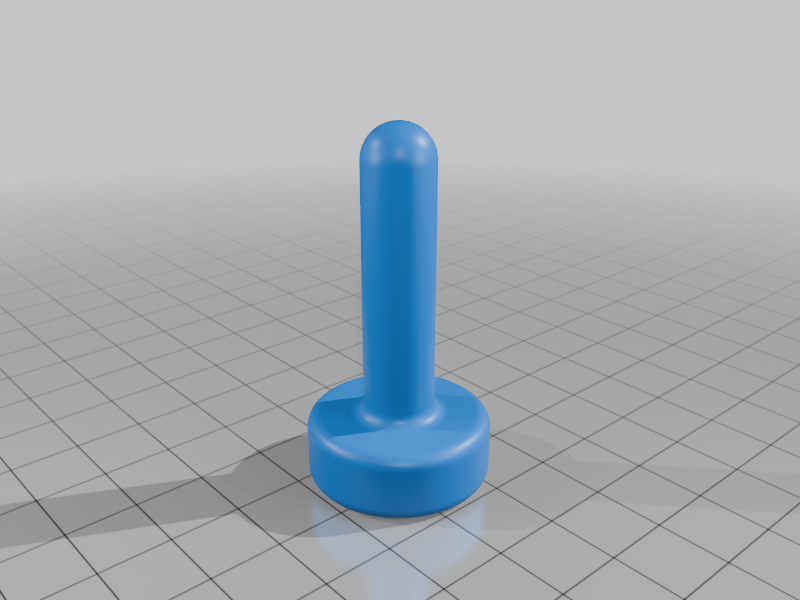
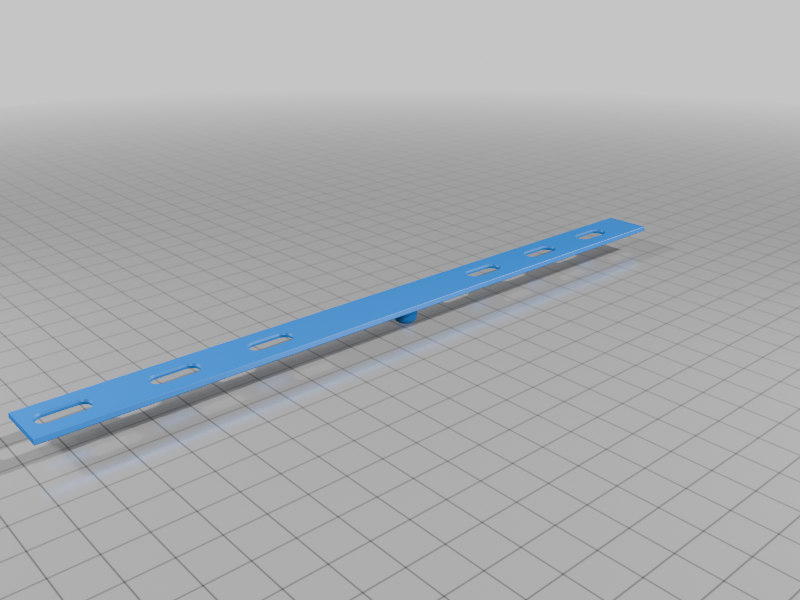
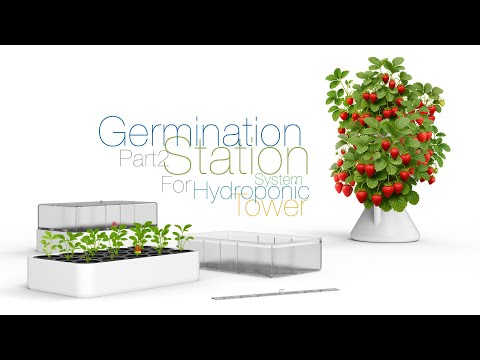
In the video, you'll see all the steps: how the box is assembled, how to insert the dome's vent slider, and more. Yes, you can buy similar boxes — they’re cheap. But I wanted to design my own — no compromises, with proper rigidity and smart construction. This box isn’t disposable. It’s made to last. Unlike those flimsy store-bought ones that barely breathe.
I hope my Germination Station turns out to be more useful, more durable, and better looking than the commercial versions. And there's more to come.
See the video for details:
If you liked this thing - let me know by putting like!
Parts links below:
Links to used tools:
See Also
My new machine:

My favorites:

Thank you for every tip or donation,
it means great recognition for me and helps a lot to keep going!

https://ko-fi.com/perinski
BTC:bc1qplpzq36ghw84hty4nn2zzu4ps4sdh4th0v93j8
ETH:0xc766ebbeAa76aaf629788c8F99C33A8d80d48977
My some other things:


:format(webp)/https://fbi.cults3d.com/uploaders/13528167/illustration-file/a02e9da7-db95-4ccb-a62f-efac14cea1e0/Germination-Station.jpg)


/https://preview3d-images.cults3d.com/pplwyhjas65p7cjrvoqqn5swwzap)
/https://preview3d-images.cults3d.com/rgsti3p22h7zod179yn7qg8t7bau)
/https://preview3d-images.cults3d.com/5578fv76bld06xq45fy4rnuzdvr6)
/https://preview3d-images.cults3d.com/o1cs3tw8vzg6sn9yo1cpfm9381di)
/https://preview3d-images.cults3d.com/l7sgxl0ycscy4txcwgn1o149wui5)
/https://preview3d-images.cults3d.com/gx80hdifai2ascm7cjyh1ah7z8j6)



:format(webp)/https://fbi.cults3d.com/uploaders/13528167/illustration-file/2bb766e0-1230-497f-b396-04868e9e508d/f3ccdd27d2000e3f9255a7e3e2c48800_display_large.jpg)
:format(webp)/https://fbi.cults3d.com/uploaders/13528167/illustration-file/5eb723d9-f2bf-4c55-a5d1-1a90c44b56ab/f3ccdd27d2000e3f9255a7e3e2c48800_display_large.jpg)
:format(webp)/https://fbi.cults3d.com/uploaders/13528167/illustration-file/93da2140-6023-46d0-abba-87feb33918ec/Sanding-Tool-2.jpg)
:format(webp)/https://fbi.cults3d.com/uploaders/13528167/illustration-file/0544955d-8ffd-4cdc-9a43-5ba09fb37ee8/Knob-Bolt-M6.jpg)
:format(webp)/https://fbi.cults3d.com/uploaders/13528167/illustration-file/194fcbc1-c0ad-4755-b5bf-c9bbf0dff215/Filament-Clip.jpg)
:format(webp)/https://fbi.cults3d.com/uploaders/13528167/illustration-file/ac65a85e-dd55-417b-957c-d683a4d205e2/GT2.jpg)
:format(webp)/https://fbi.cults3d.com/uploaders/13528167/illustration-file/e29f4f54-d0d0-4e67-a00c-181893ada23c/Knob-Bolt-Hex-Head.jpg)
:format(webp)/https://fbi.cults3d.com/uploaders/13528167/illustration-file/64d97d47-3ad4-417c-8c57-c3609f7e085c/Christmas_tree.jpg)