3D model description
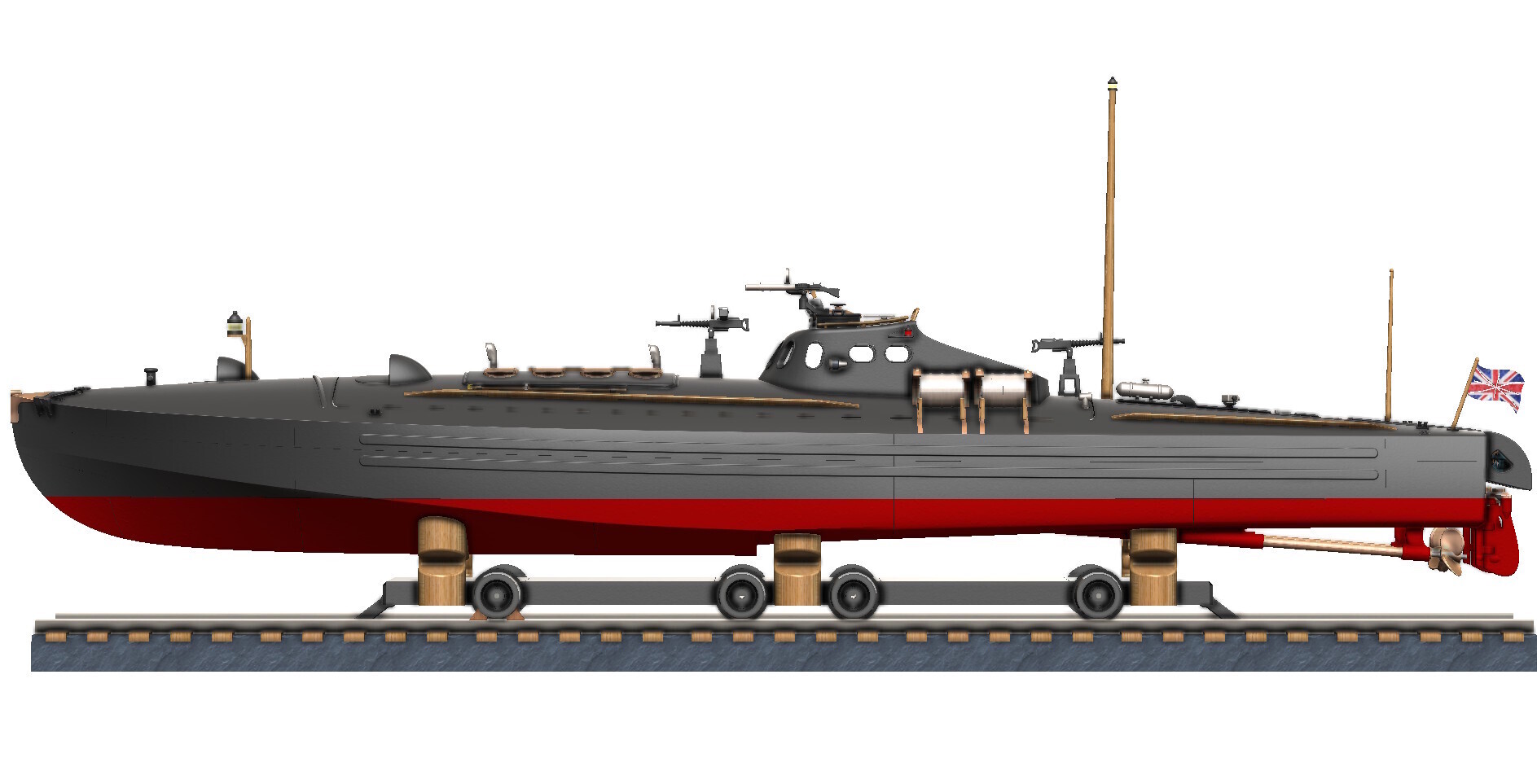
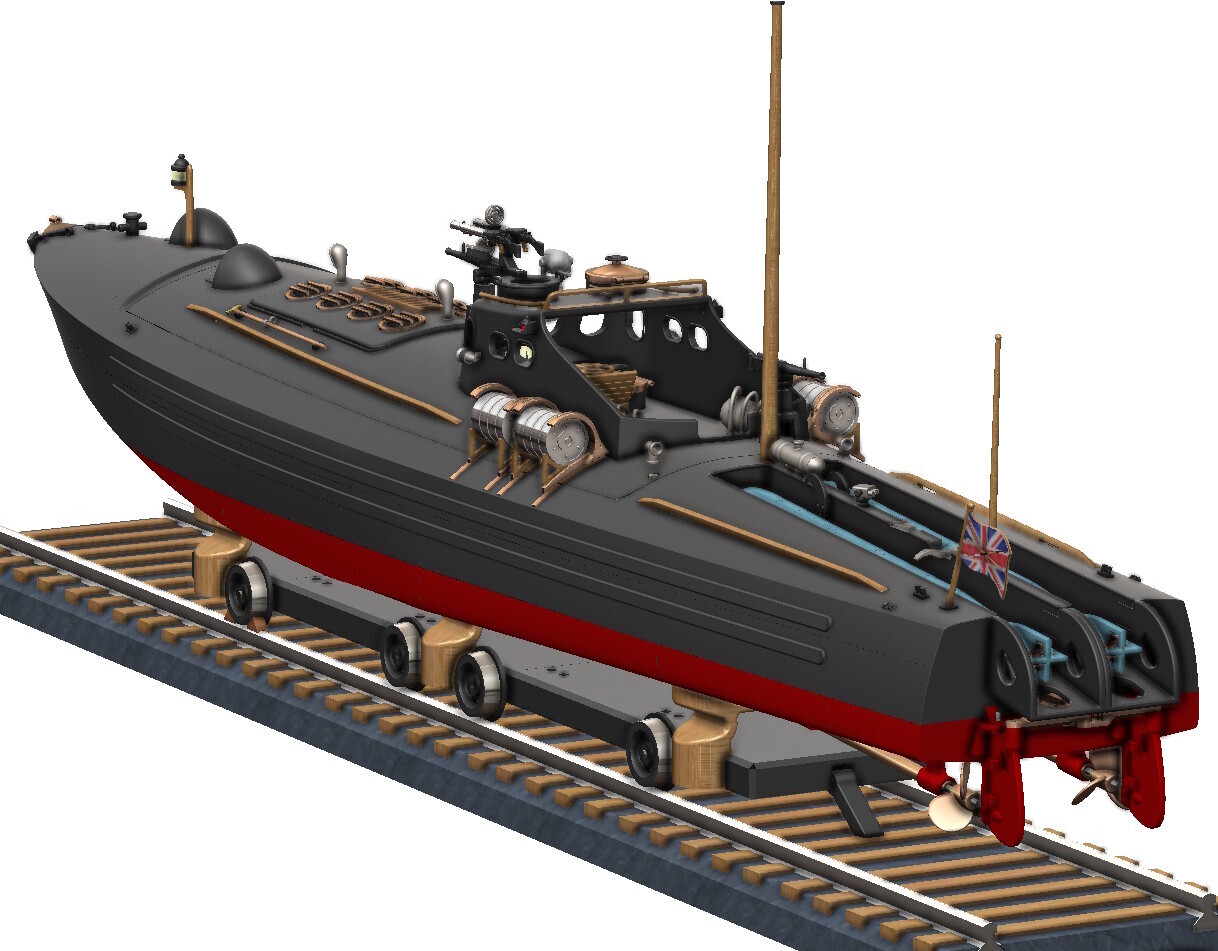
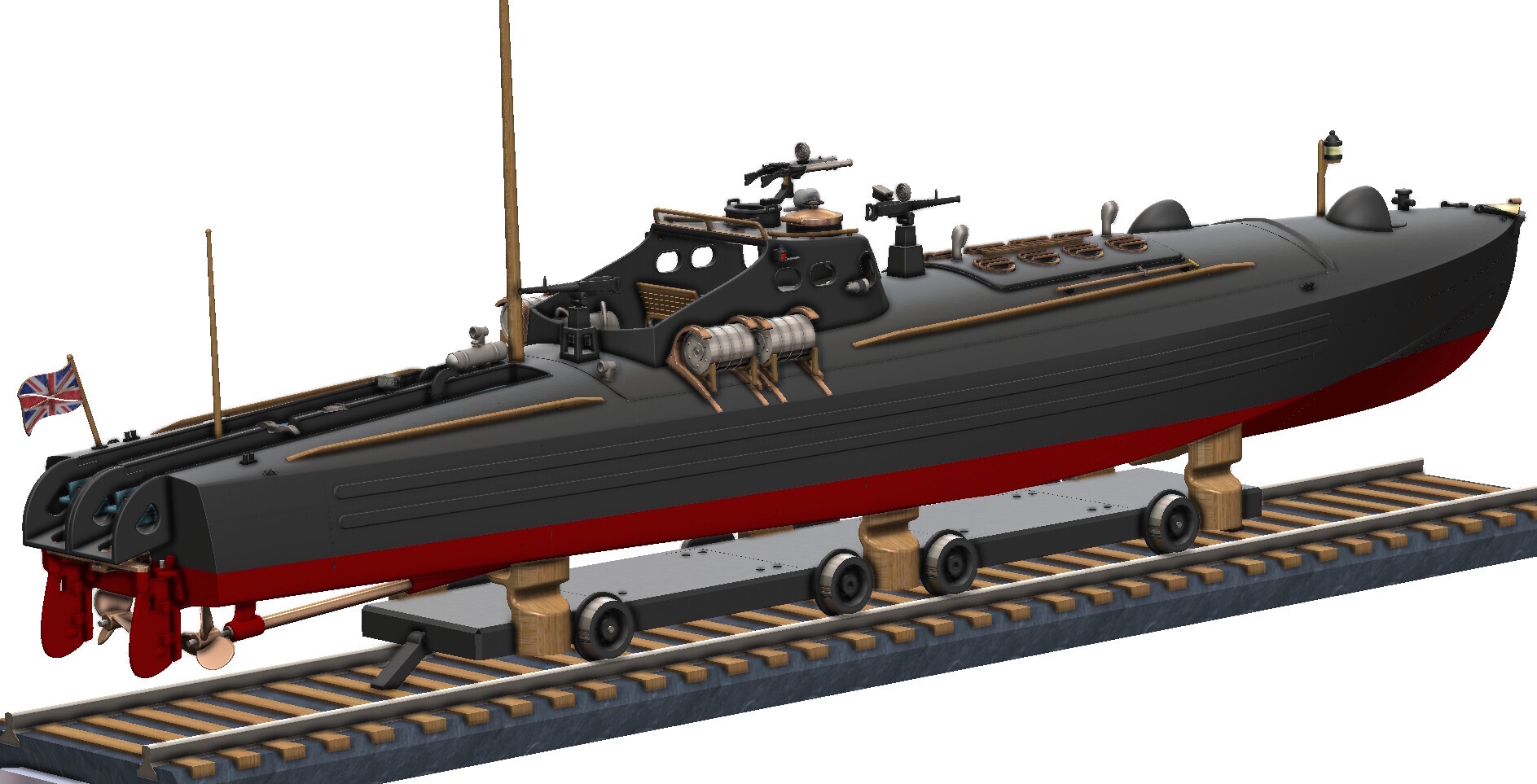
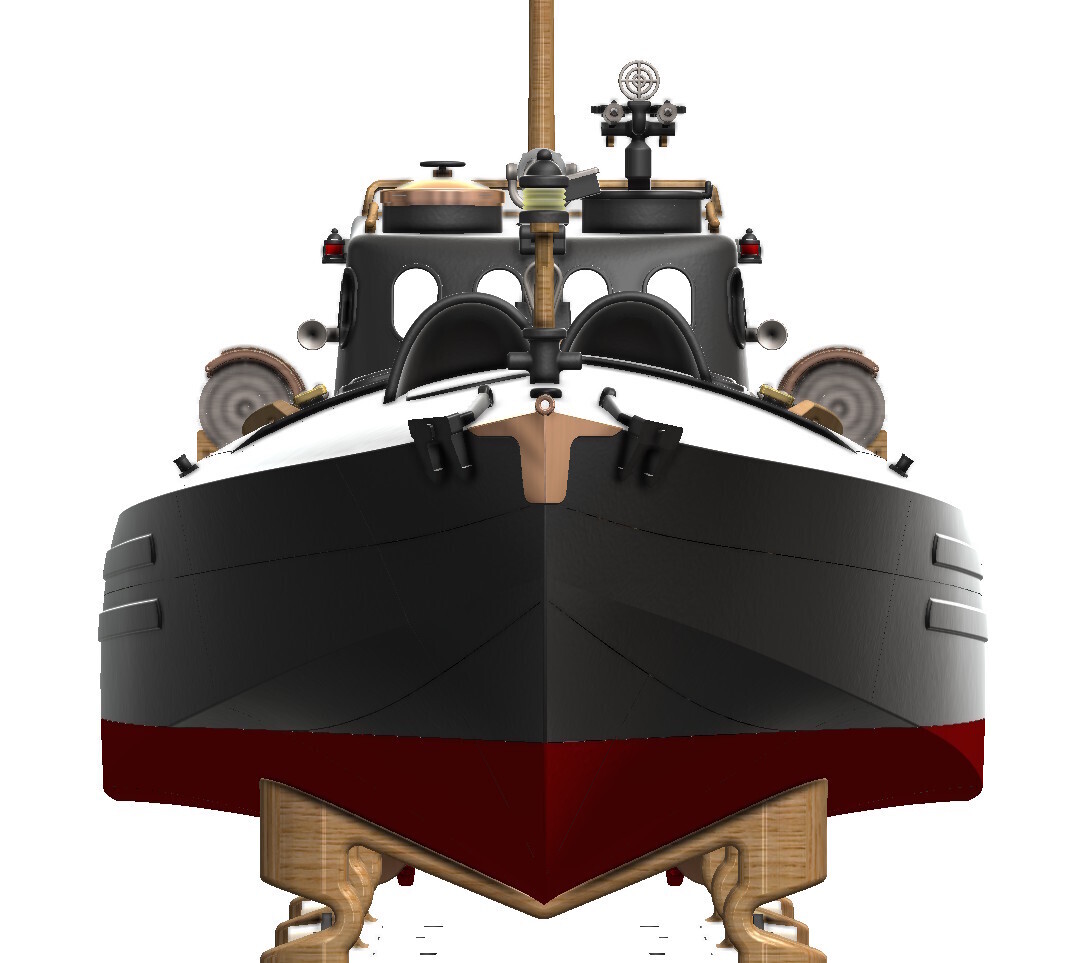
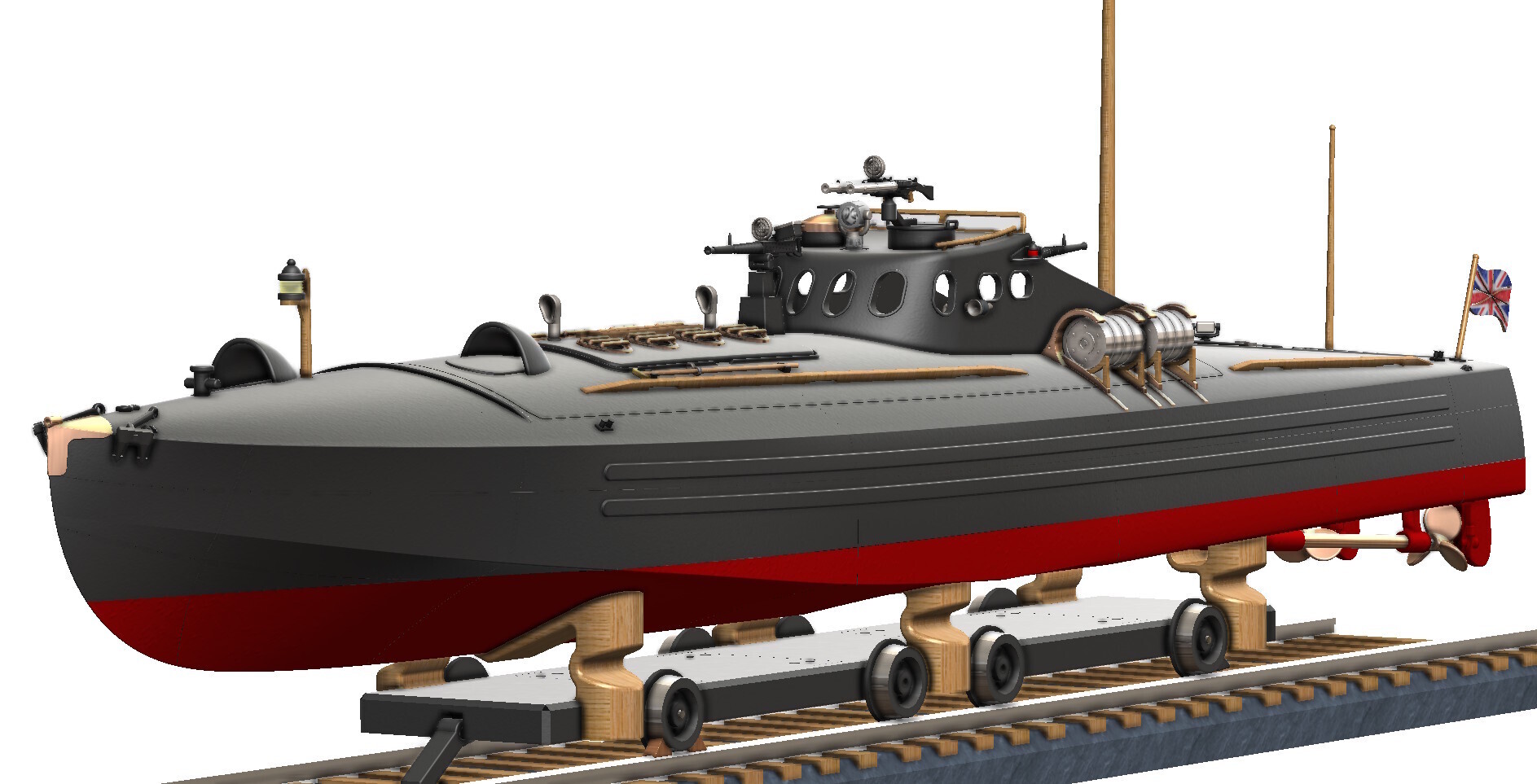
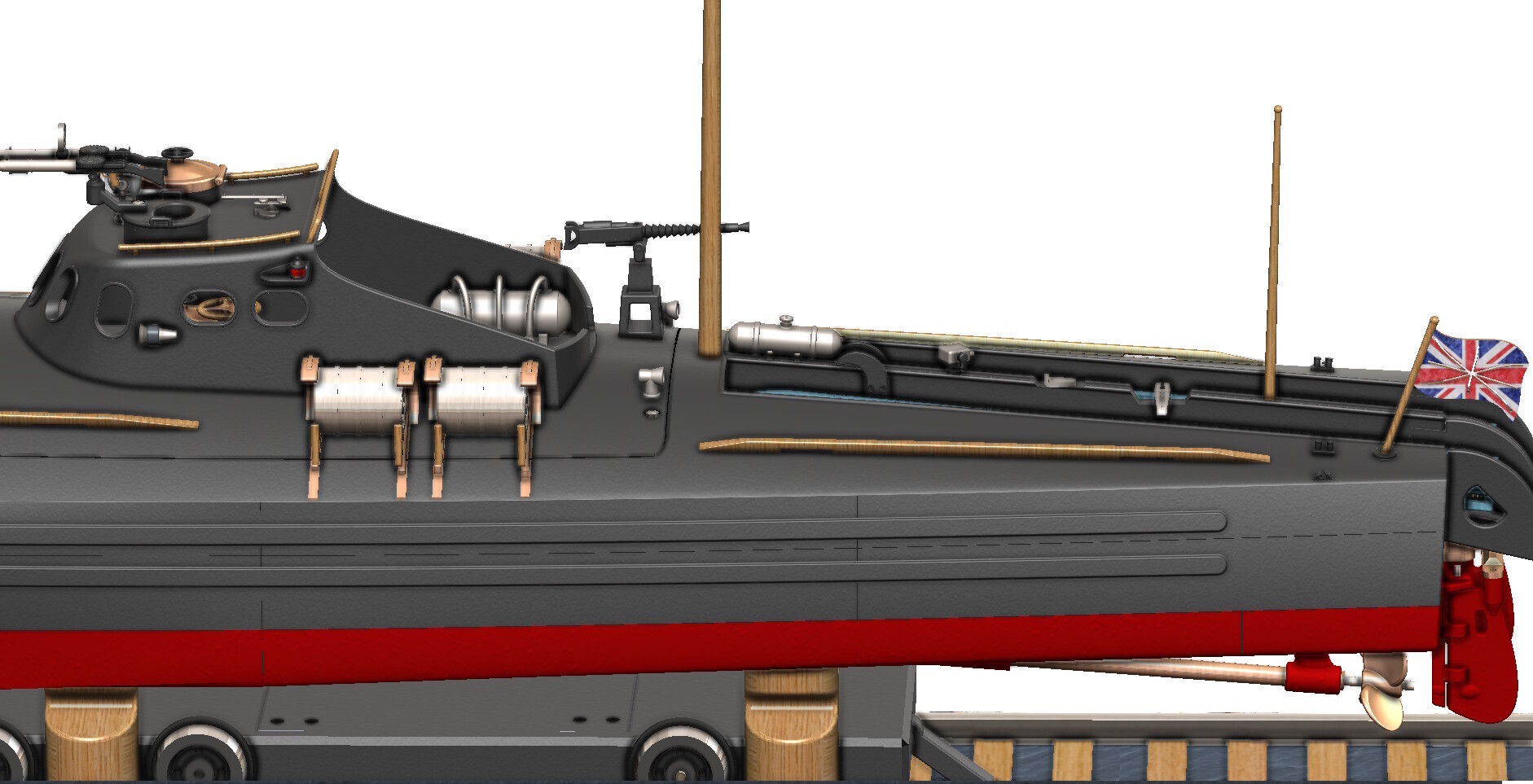
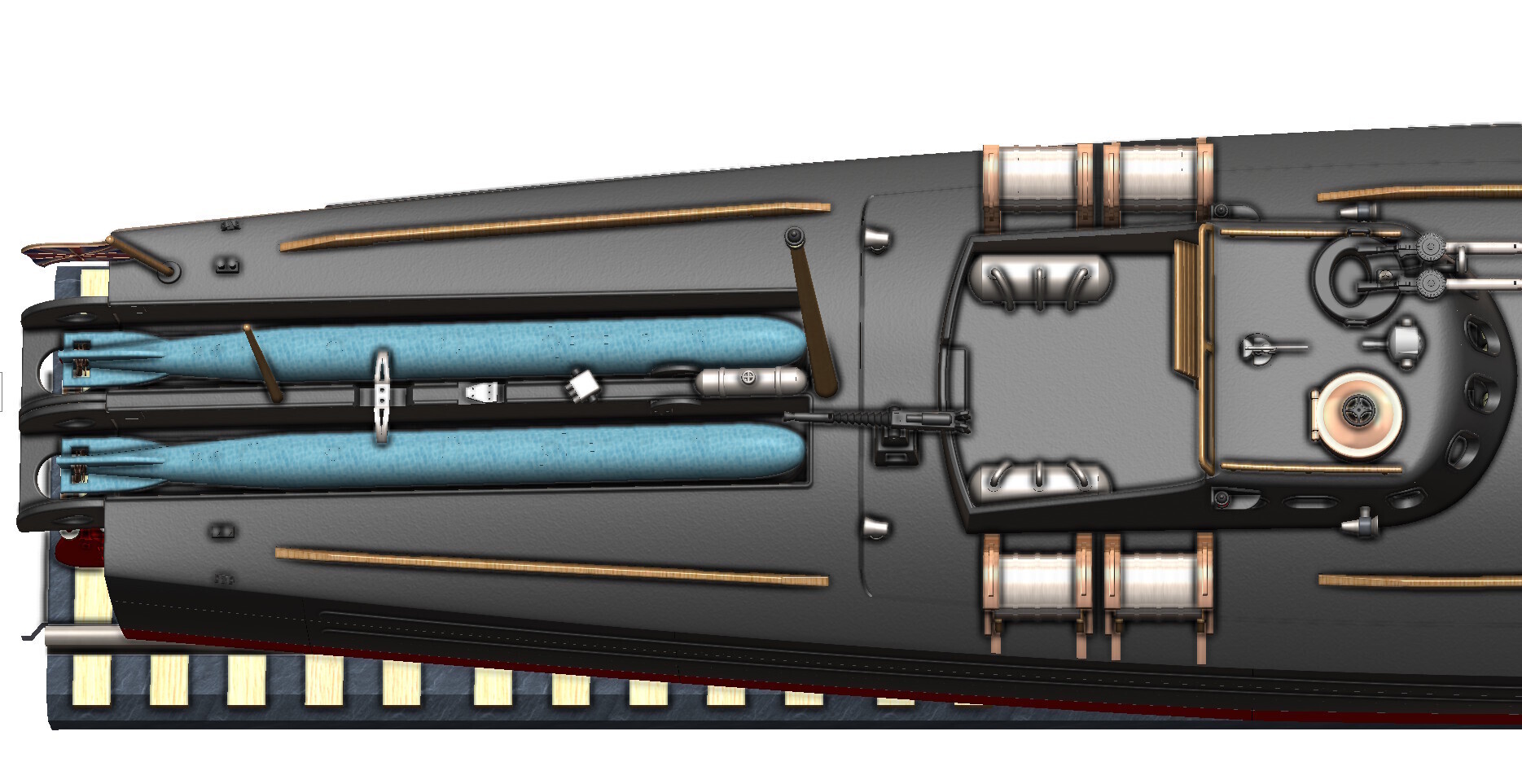
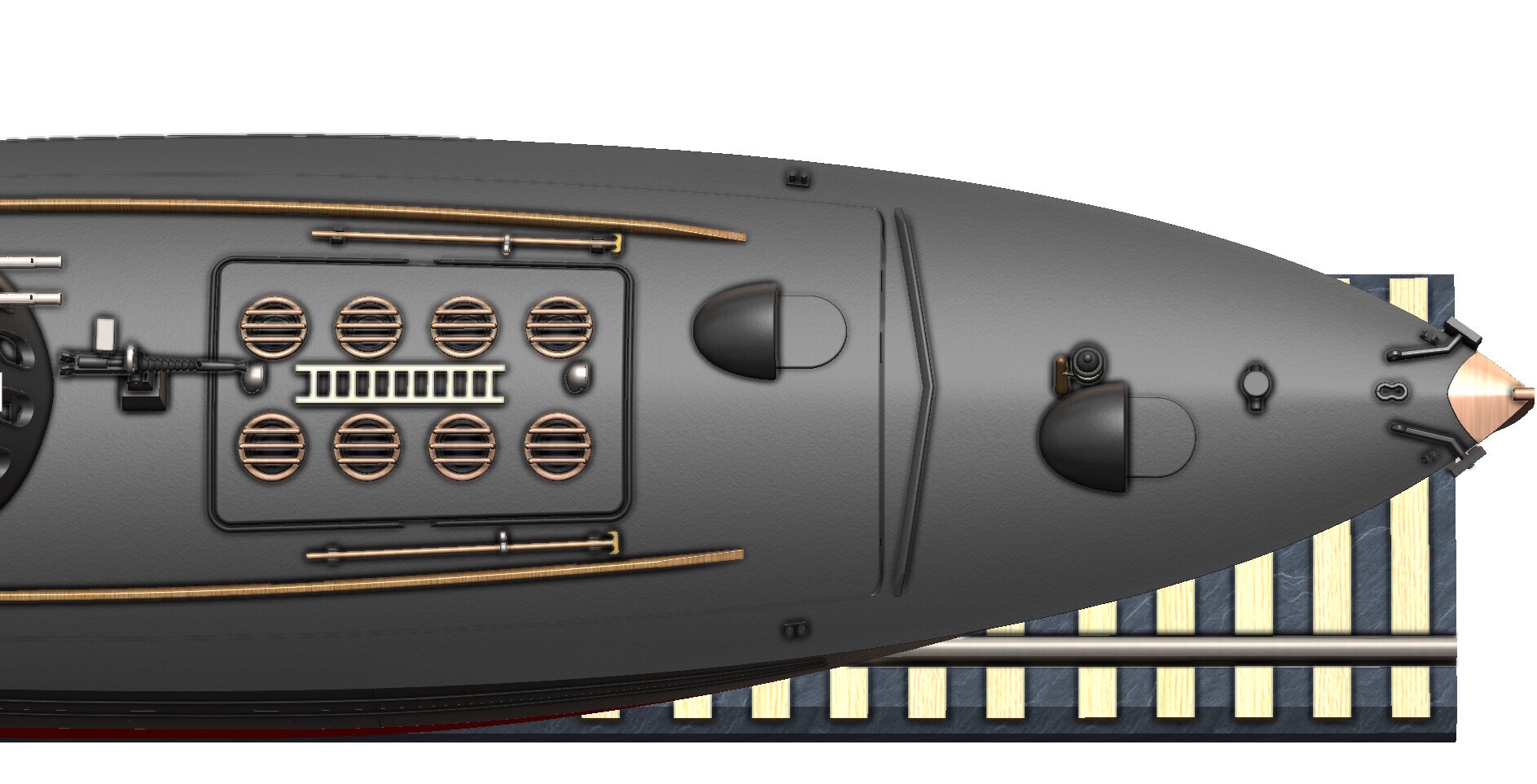
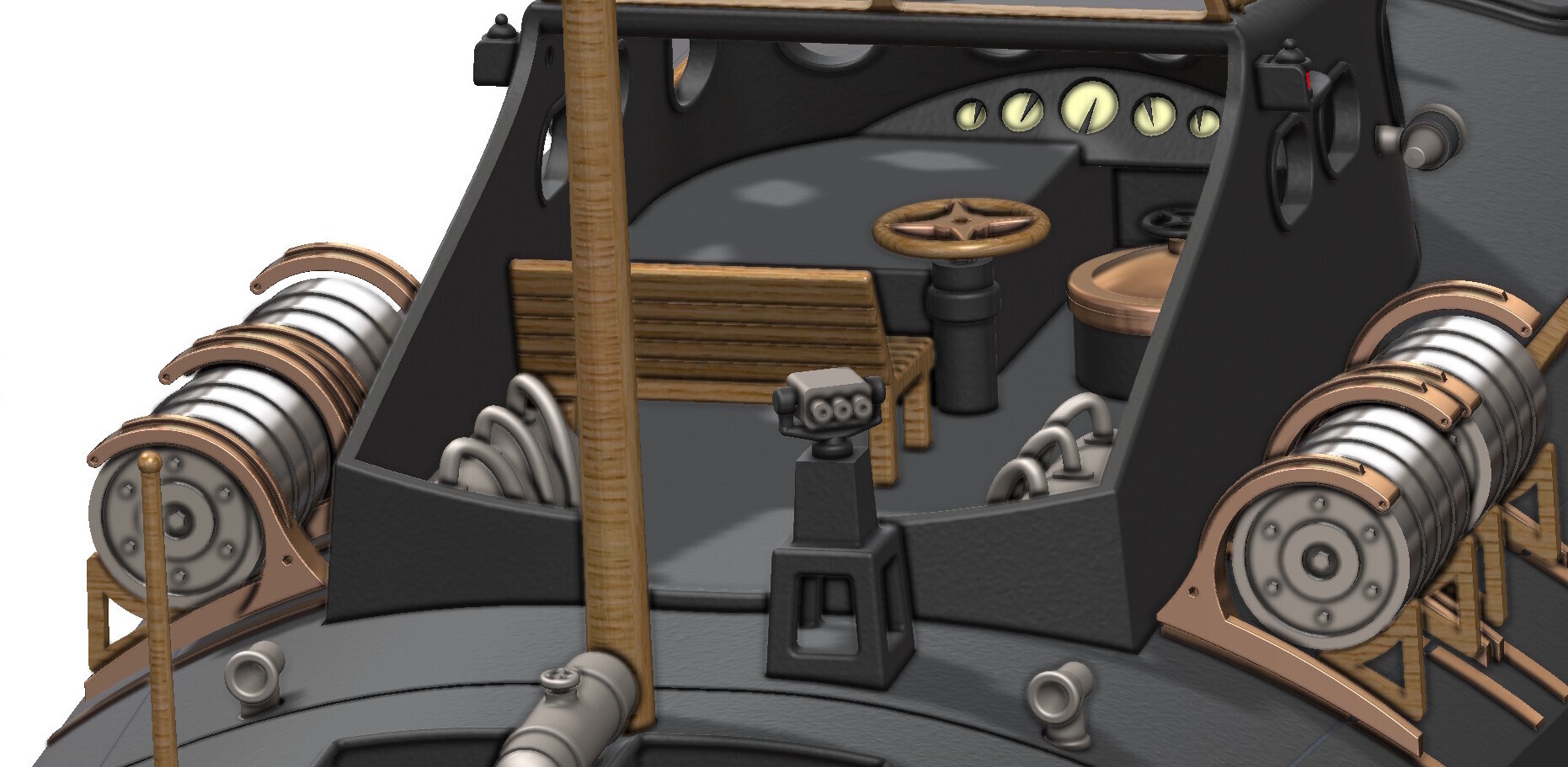
The Thornycroft 70-foot Coastal Motor Boats (CMBs) were among the most daring and innovative small combat craft of the First World War and the interwar period. Designed for speed and surprise, these lightweight planing hull boats carried torpedoes at unprecedented velocities for their time, executing bold coastal raids and night attacks in confined waters. Their combination of minimal displacement, powerful petrol engines, and aggressive mission profile made them pioneers of modern fast attack craft doctrine. Despite their relatively small size, CMBs left a disproportionate mark on naval warfare history, influencing later generations of motor torpedo boats and fast patrol vessels.
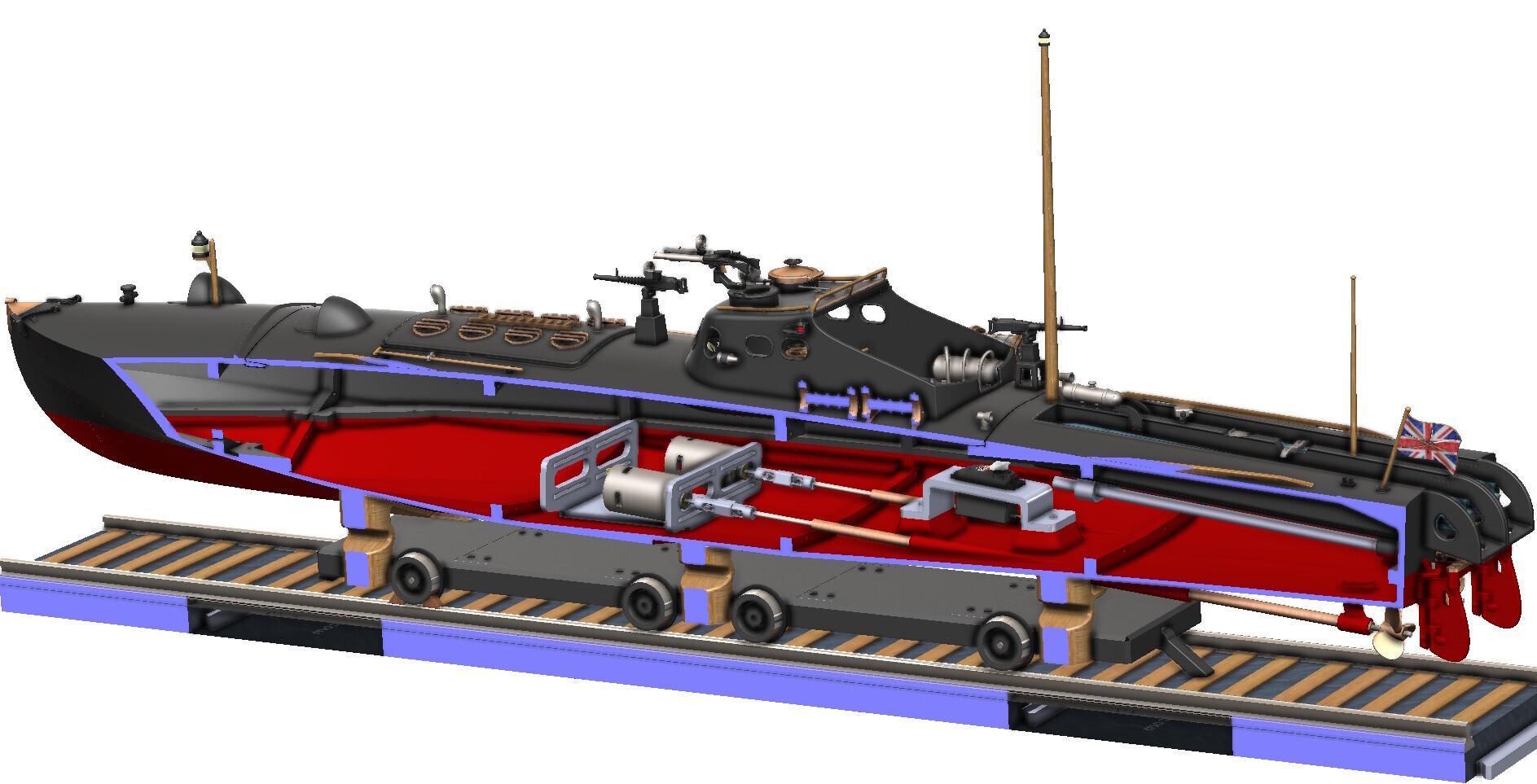
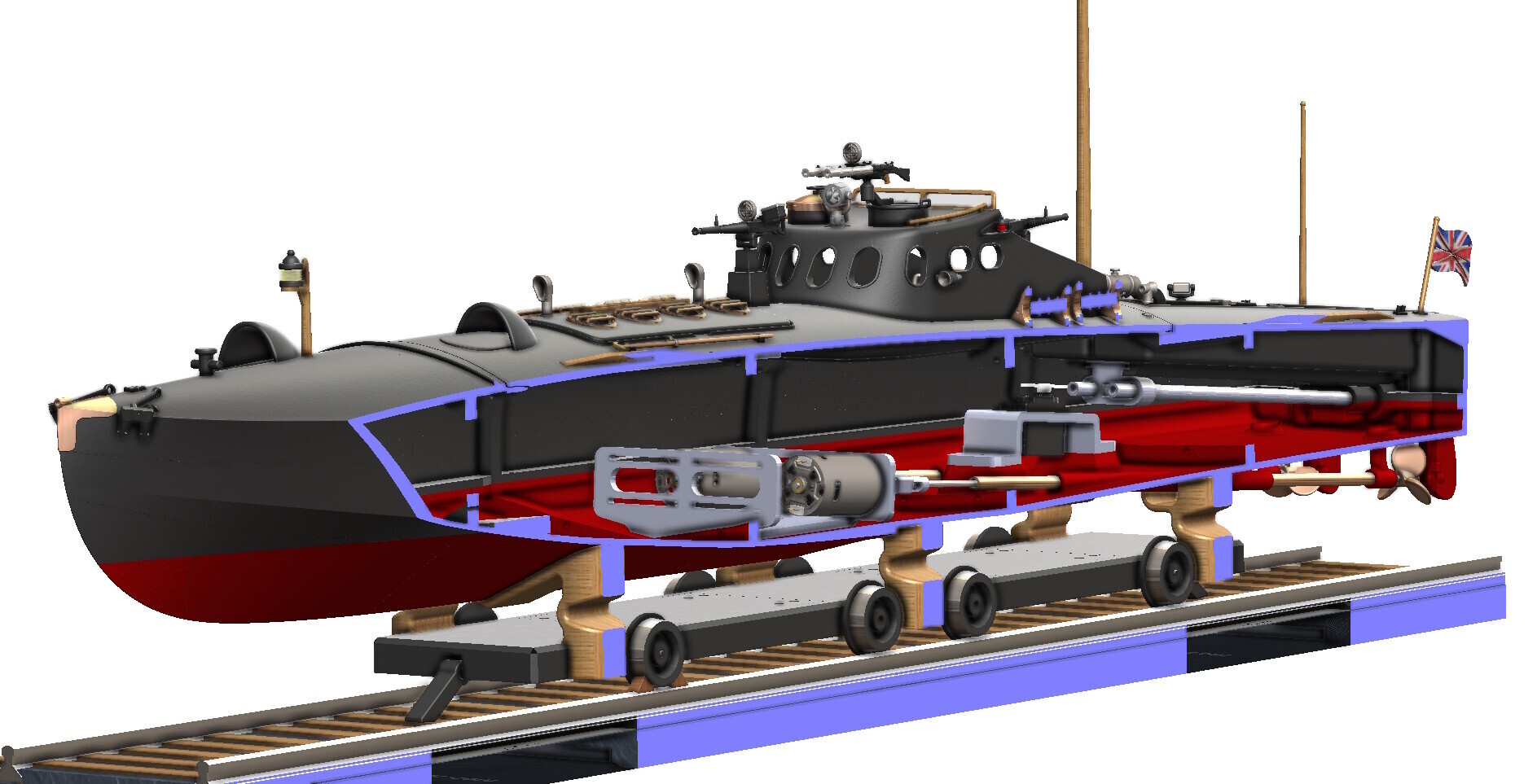
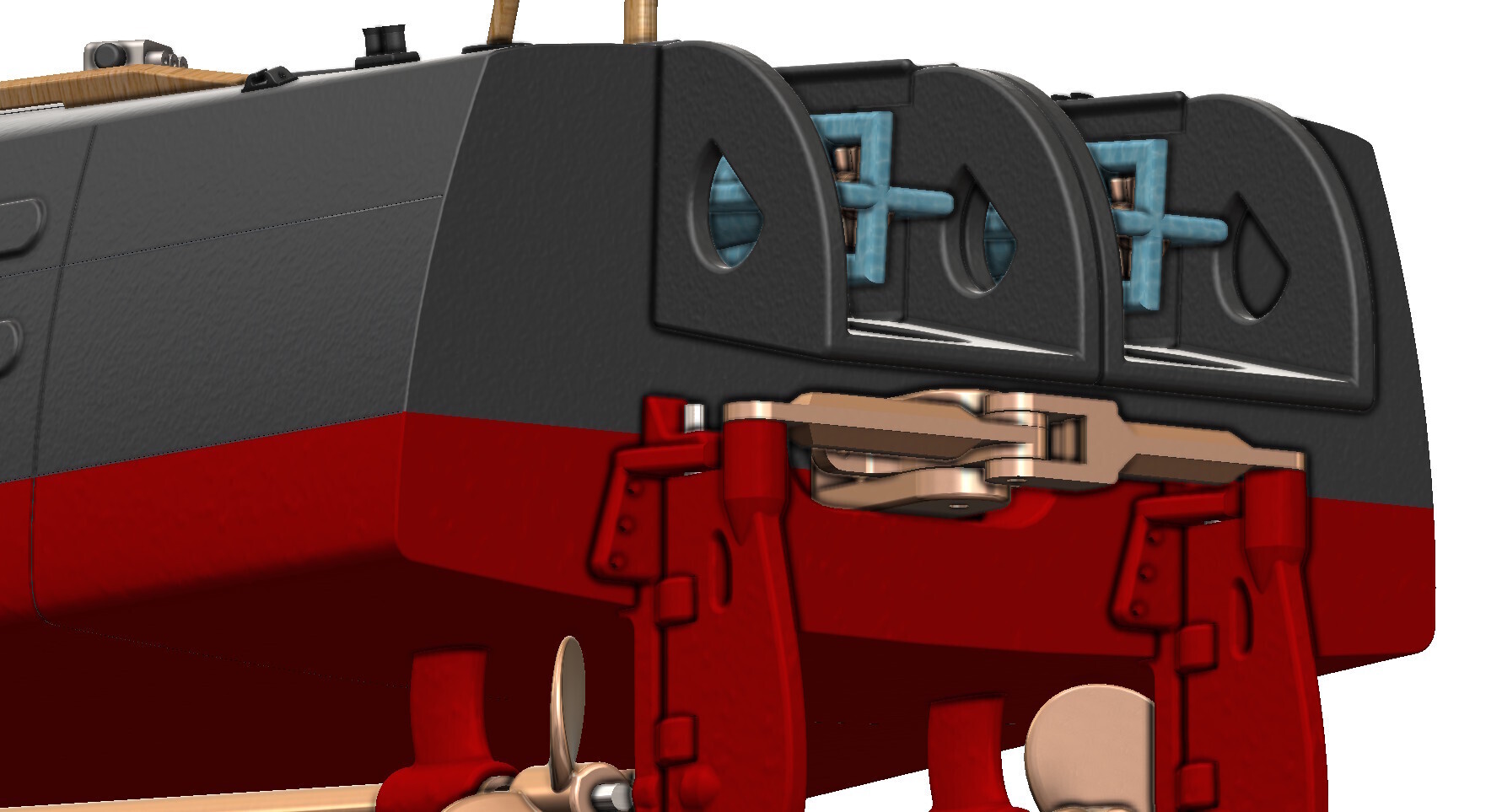
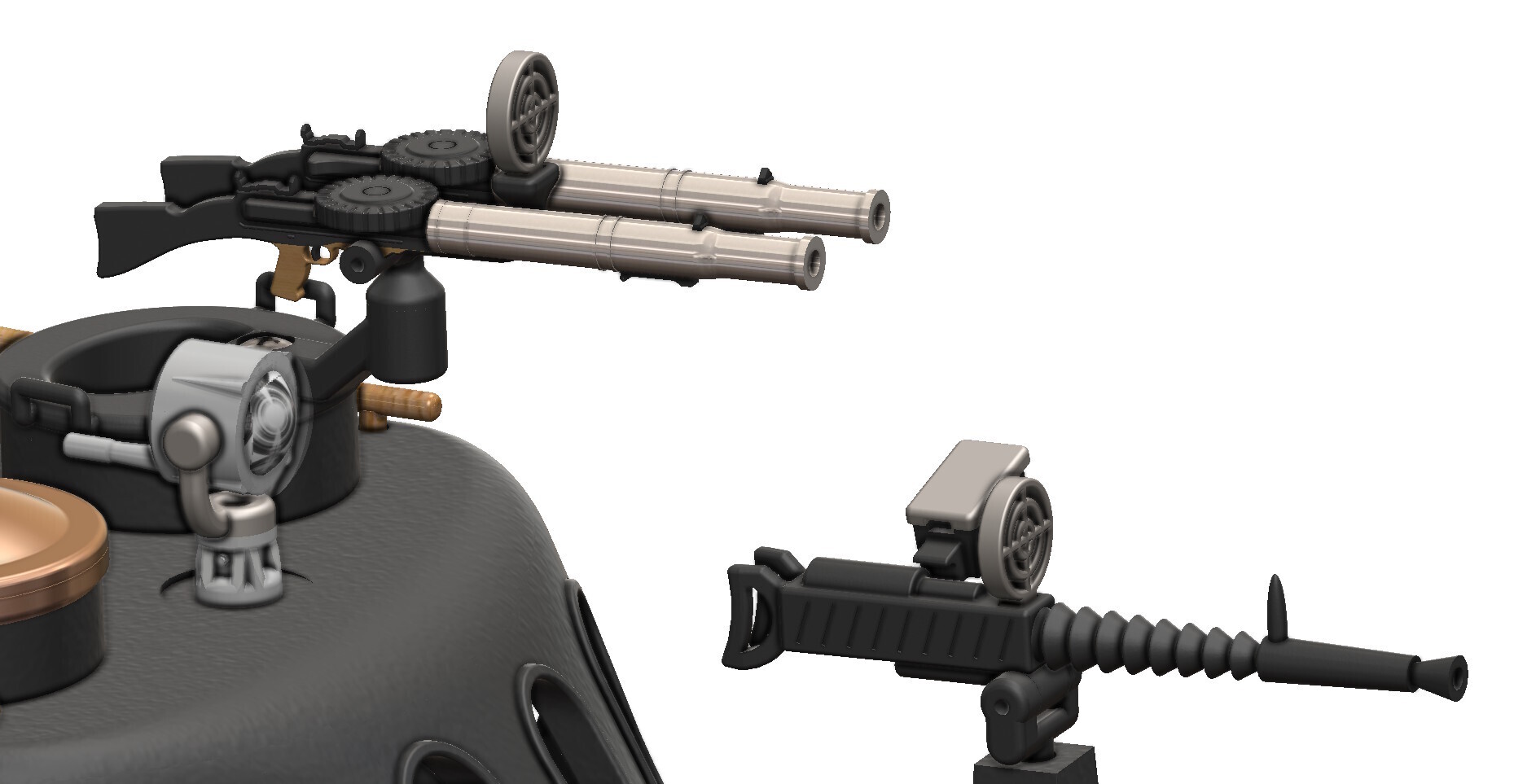
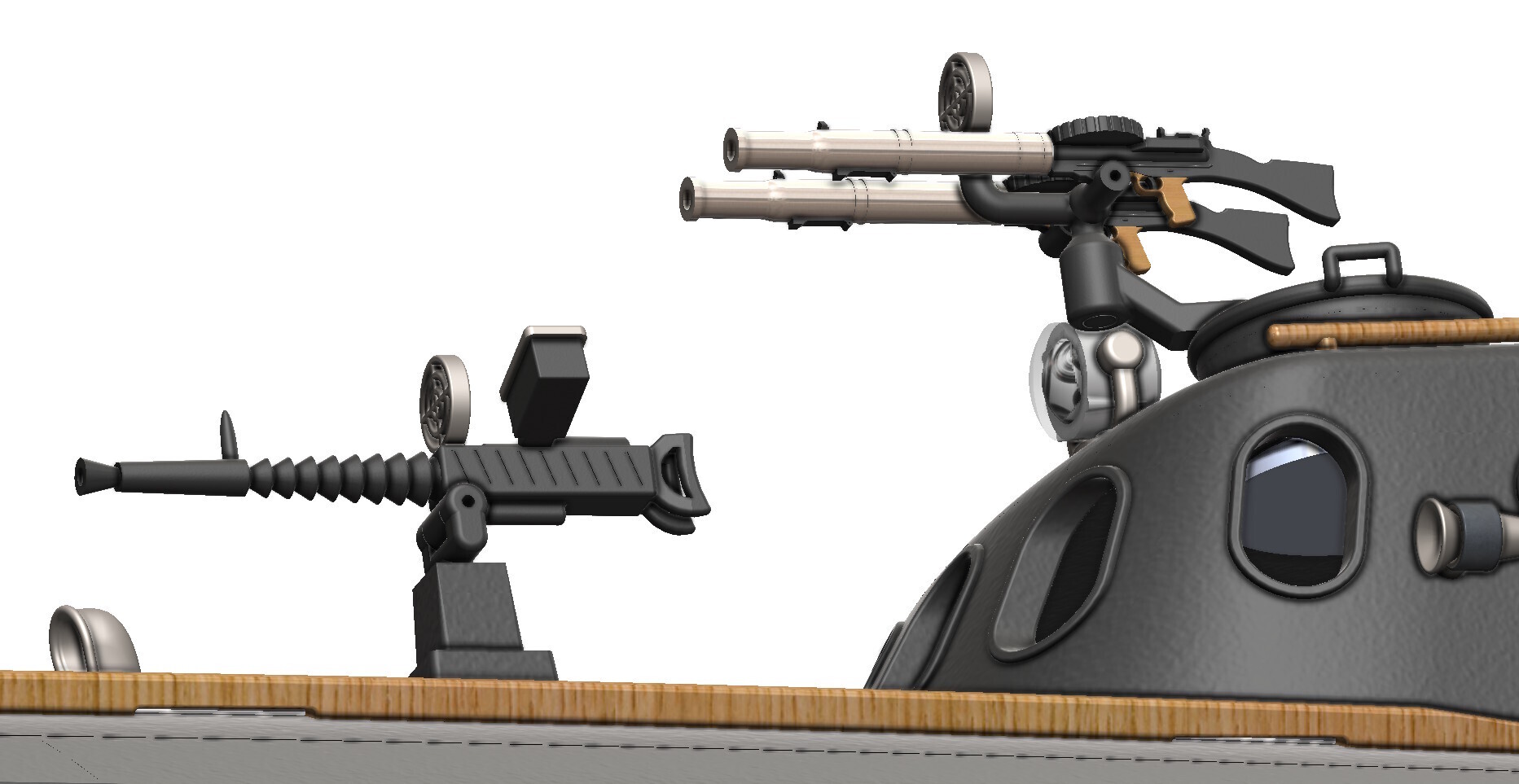
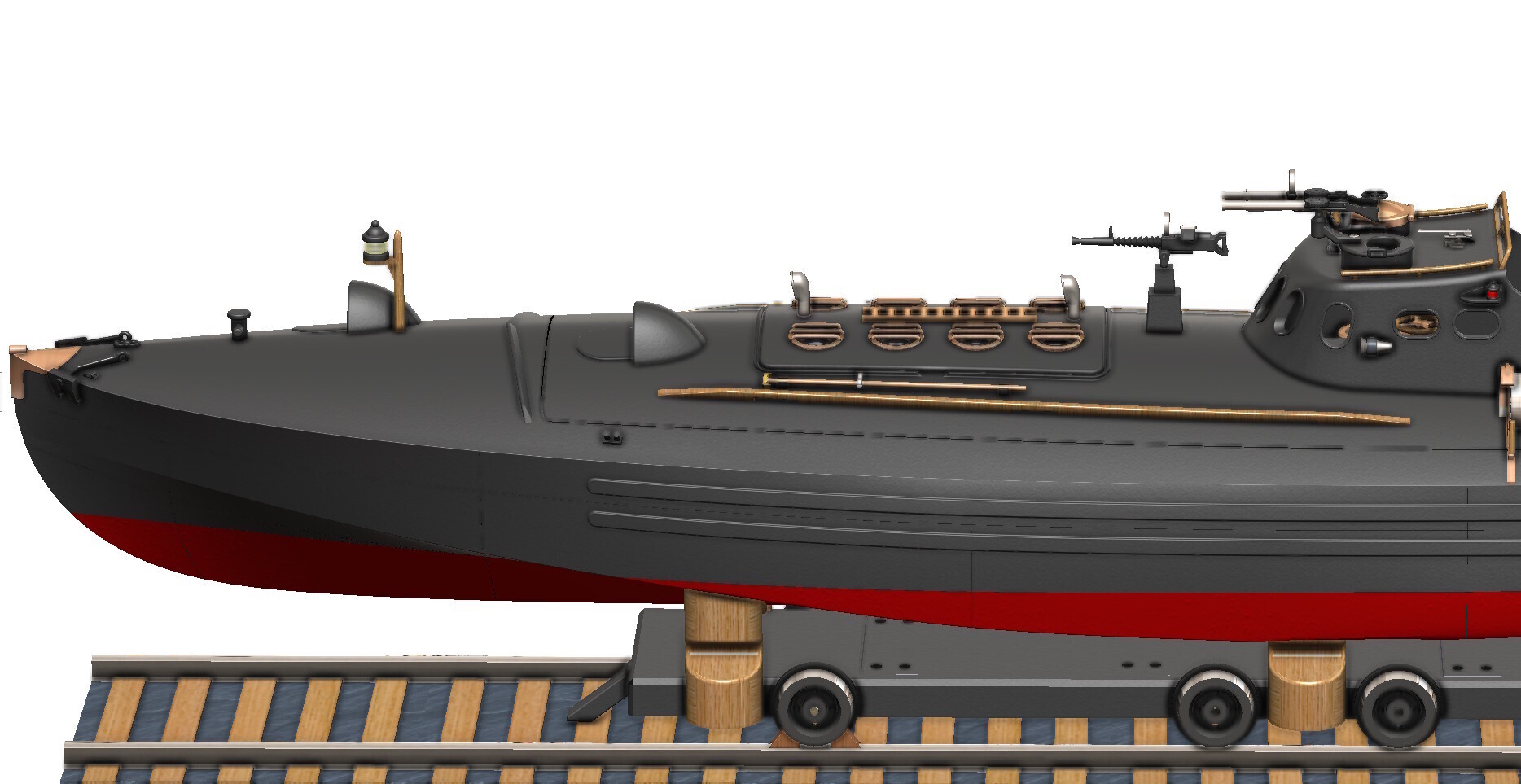
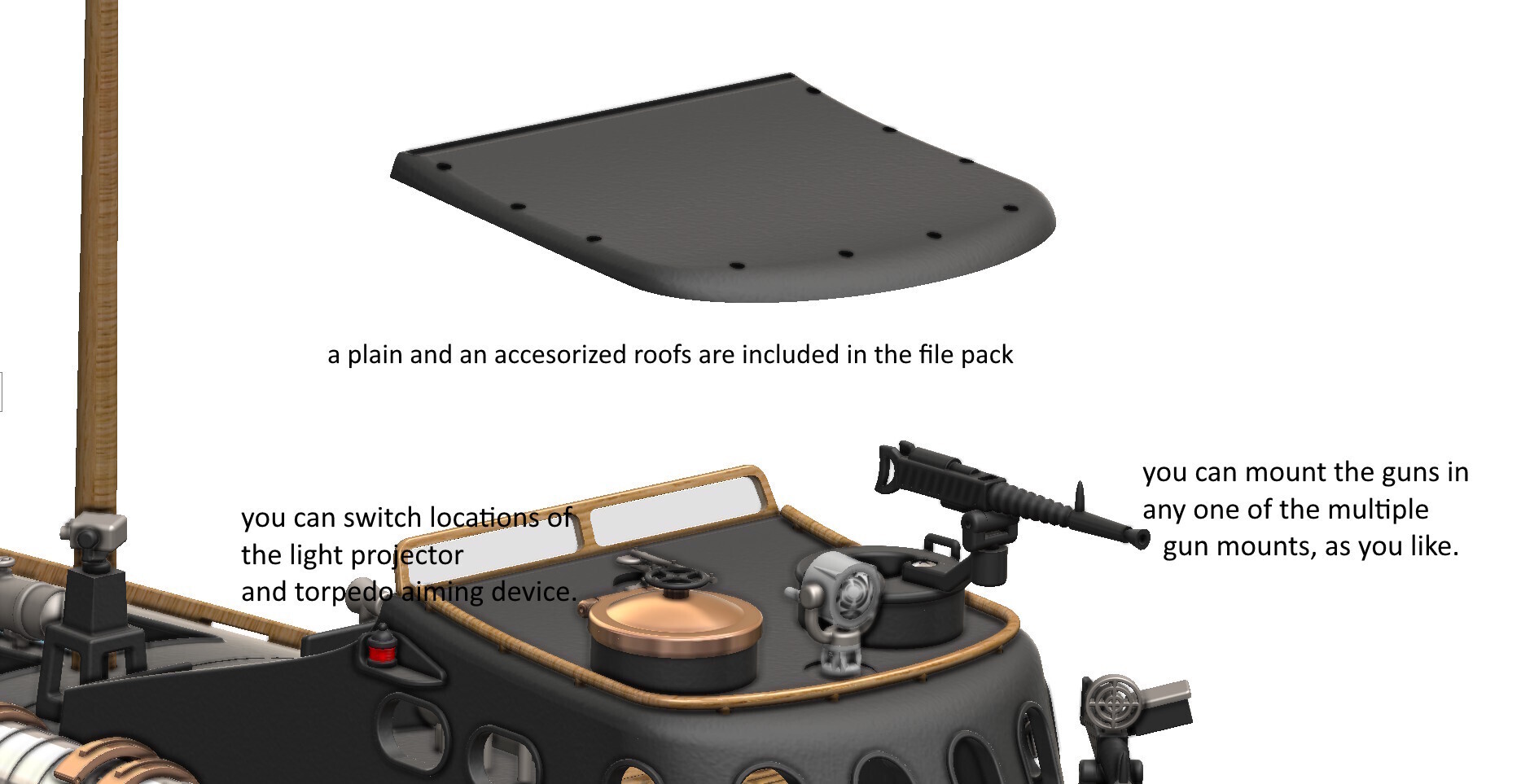
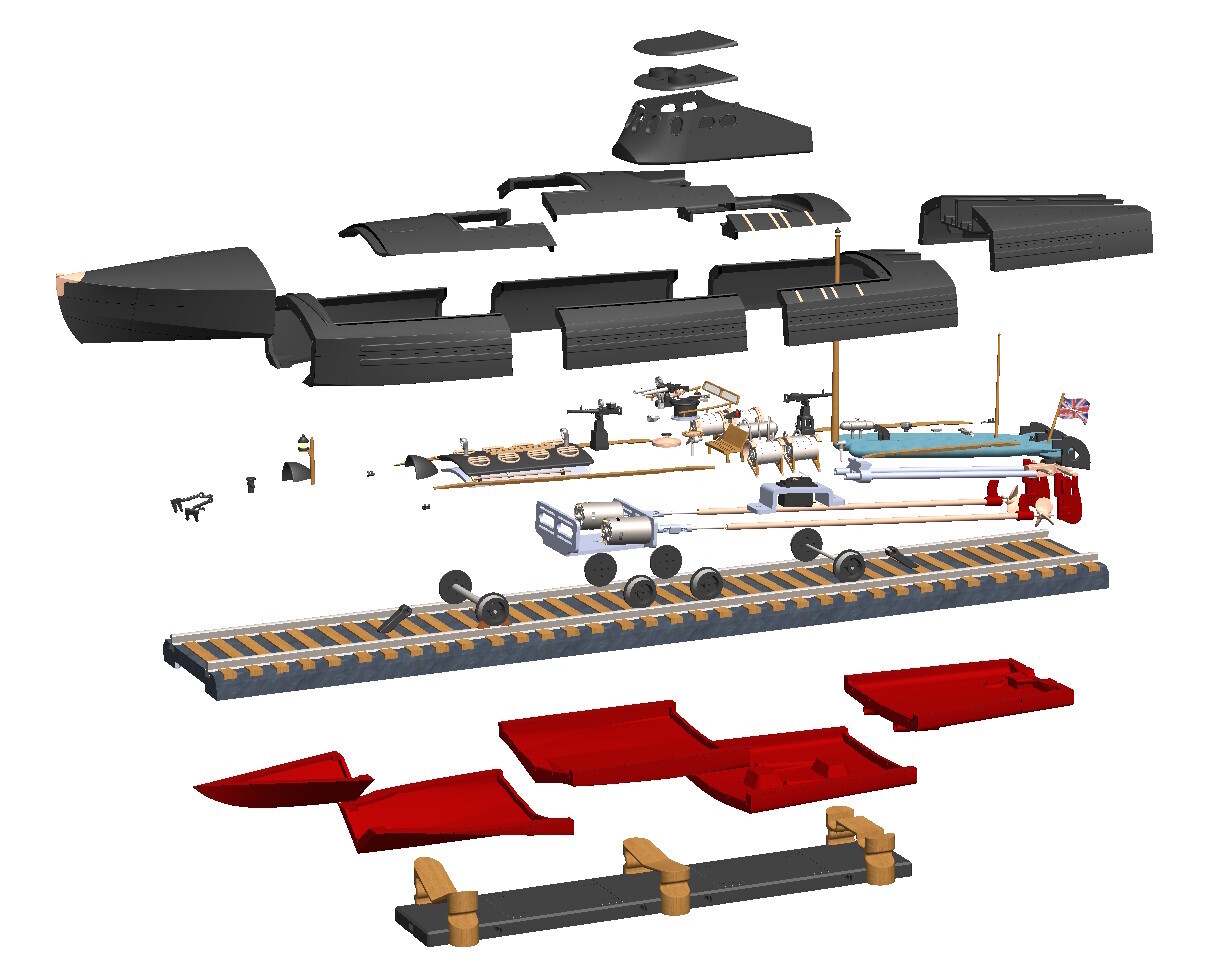
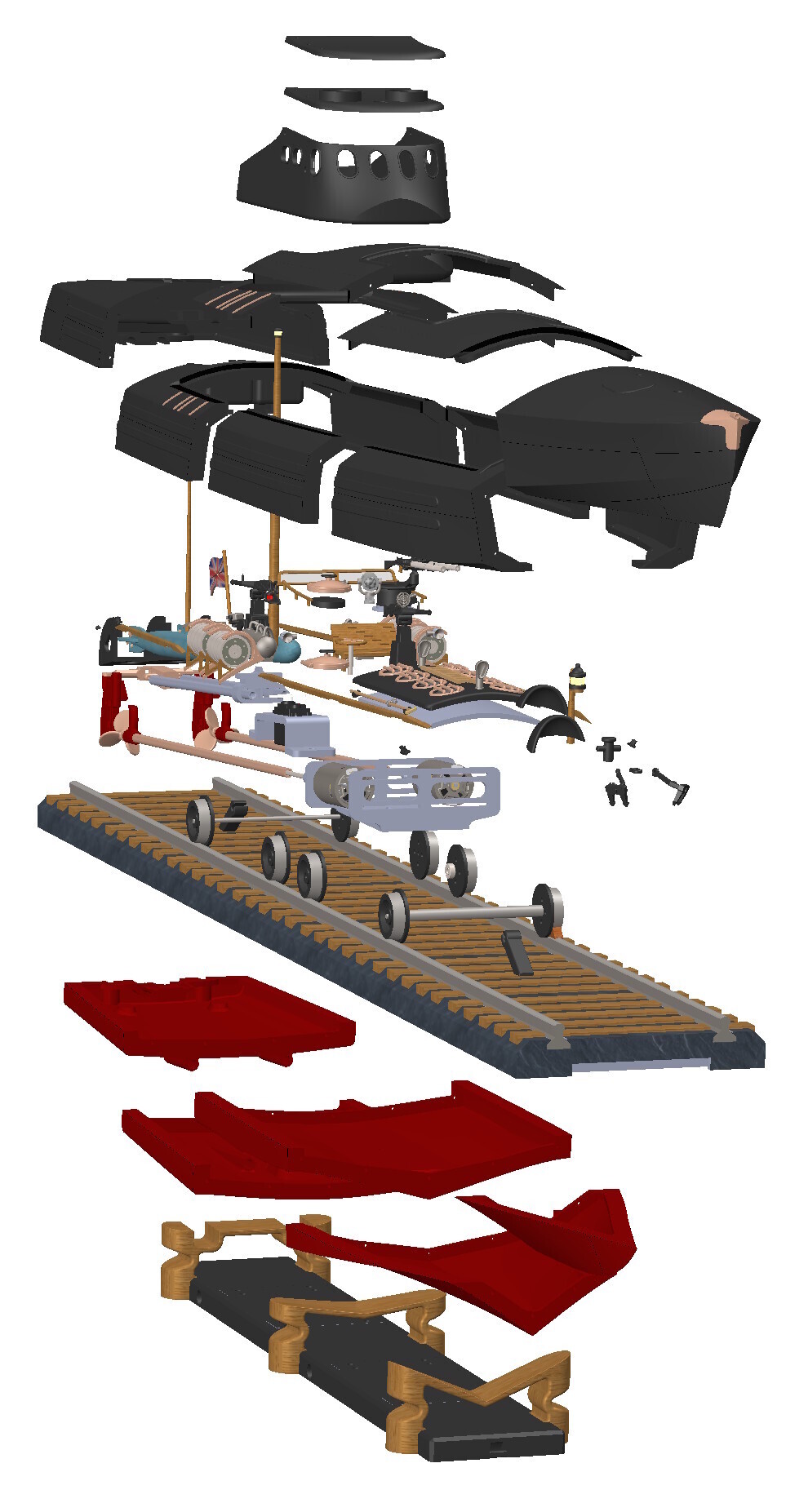
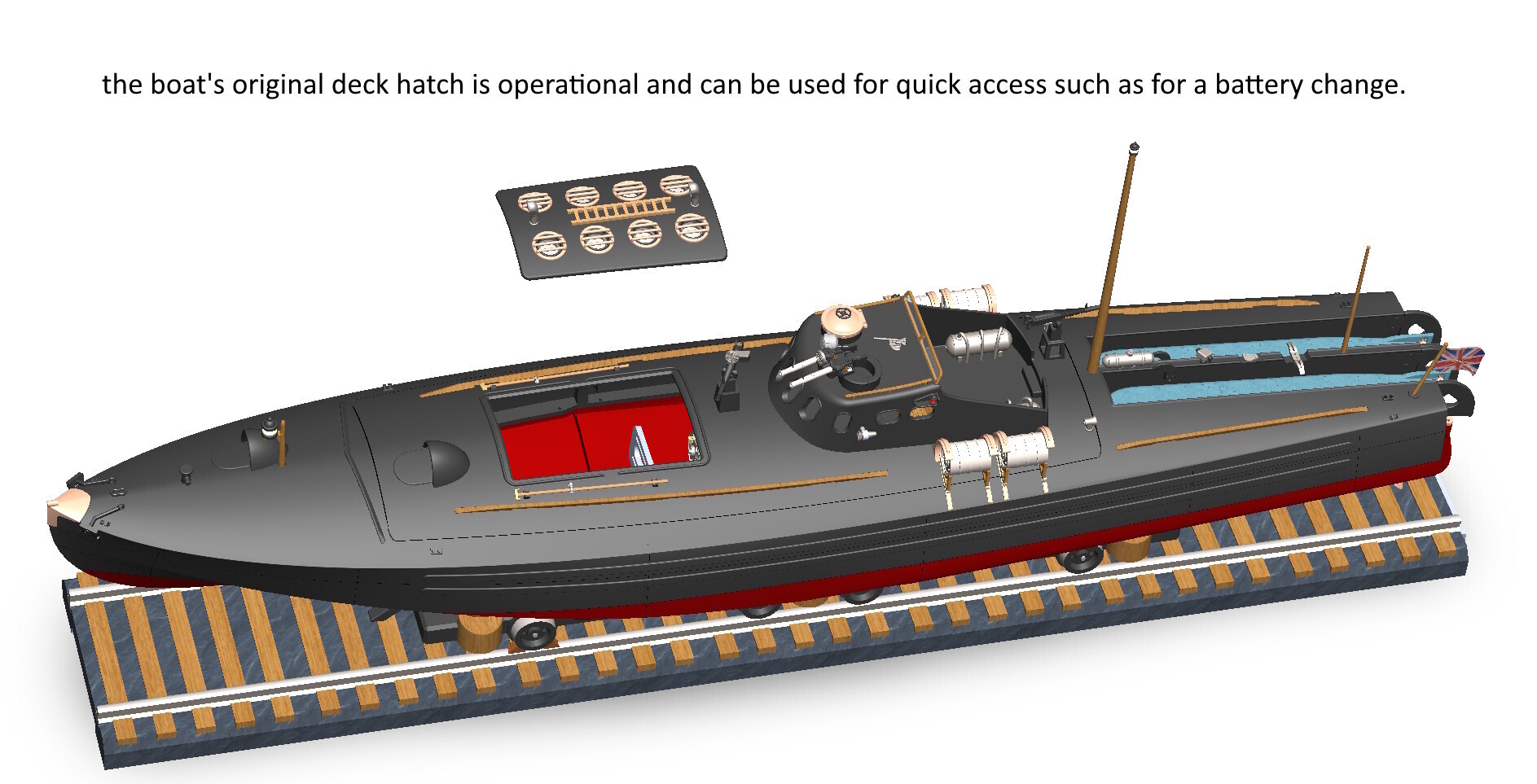
Our 1:16 scale model measures approximately 1.3 meters in length and has been engineered from the outset with RC builders in mind. The hull is intelligently segmented for straightforward printing and alignment, using integrated inter-piece screw bosses and mechanical alignment features that make assembly precise and stress-free. The model is divided along the waterline, allowing builders to print upper and lower hull sections in different filament colors and achieve a clean, color-separated finish without painting. The package includes around 170+ STL files plus a full-color 3MF file for easier part identification and slicing. Although no printed manual is provided, the naming convention is systematic and self-explanatory: each file name includes its functional description, hull section reference, and positional order (progressing logically from bow to stern and from structural to detail parts), allowing experienced builders to understand placement and assembly sequence immediately from the file structure itself.
The original boats were built for daring missions.
This model is built for dedicated makers.
A single-piece low-rez STL is added for your quick preview, the model is in separate hi-rez STL files.
3D printing settings
All parts are optimized for standard desktop 3D printers with a 22 × 22 × 26 cm build volume. The hull sections are dimensioned to print comfortably within this envelope while preserving structural integrity. PLA or PETG at 0.16–0.20 mm layer height with 3–4 perimeters and 10–20% infill provides an effective balance between rigidity and print time; higher infill can be used in high-load areas for RC applications. Thanks to the waterline split, the lower hull can be printed in a darker filament (e.g., red oxide or black) and the upper hull in grey or naval tones, eliminating masking and paintwork for those who prefer a clean printed finish.
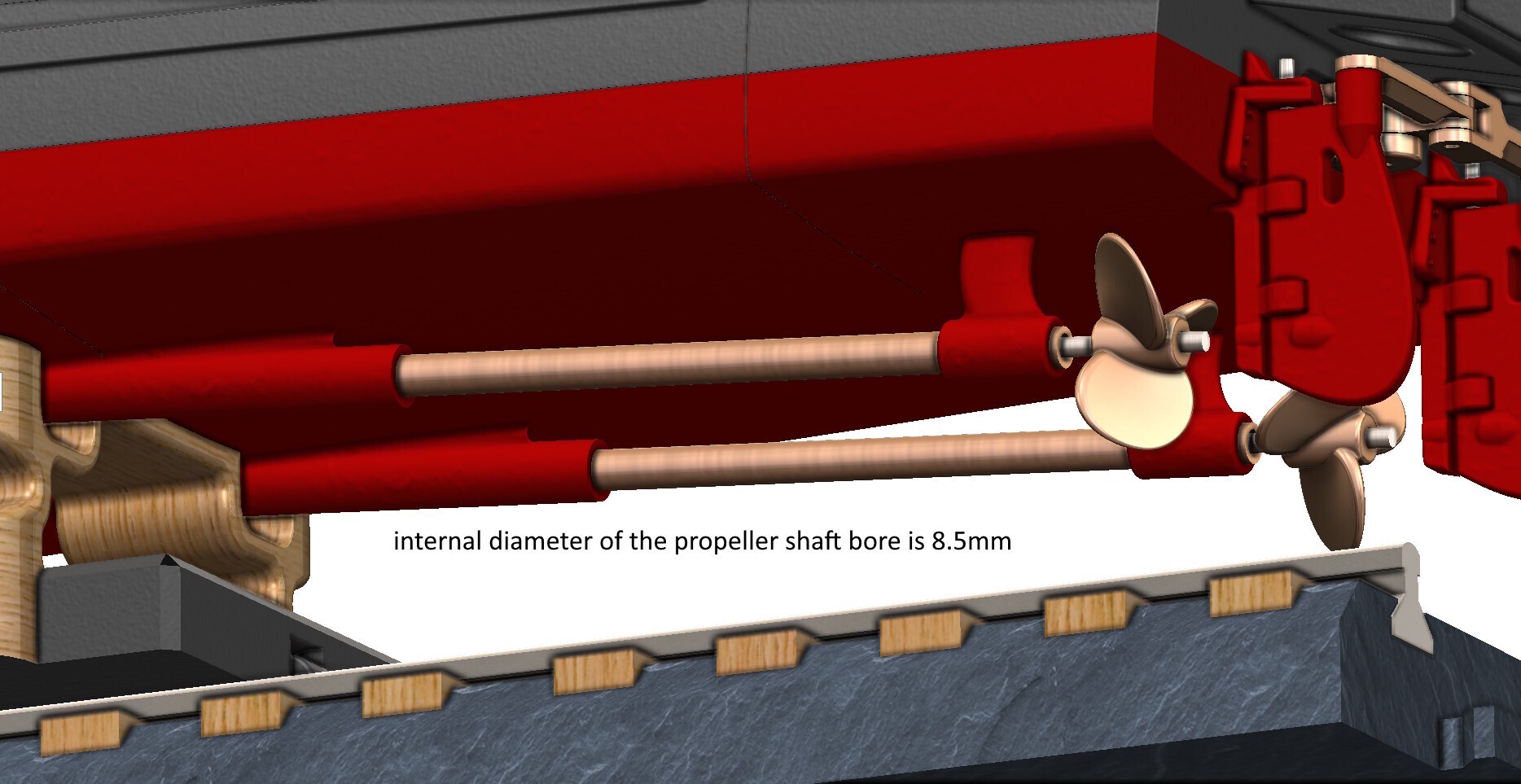
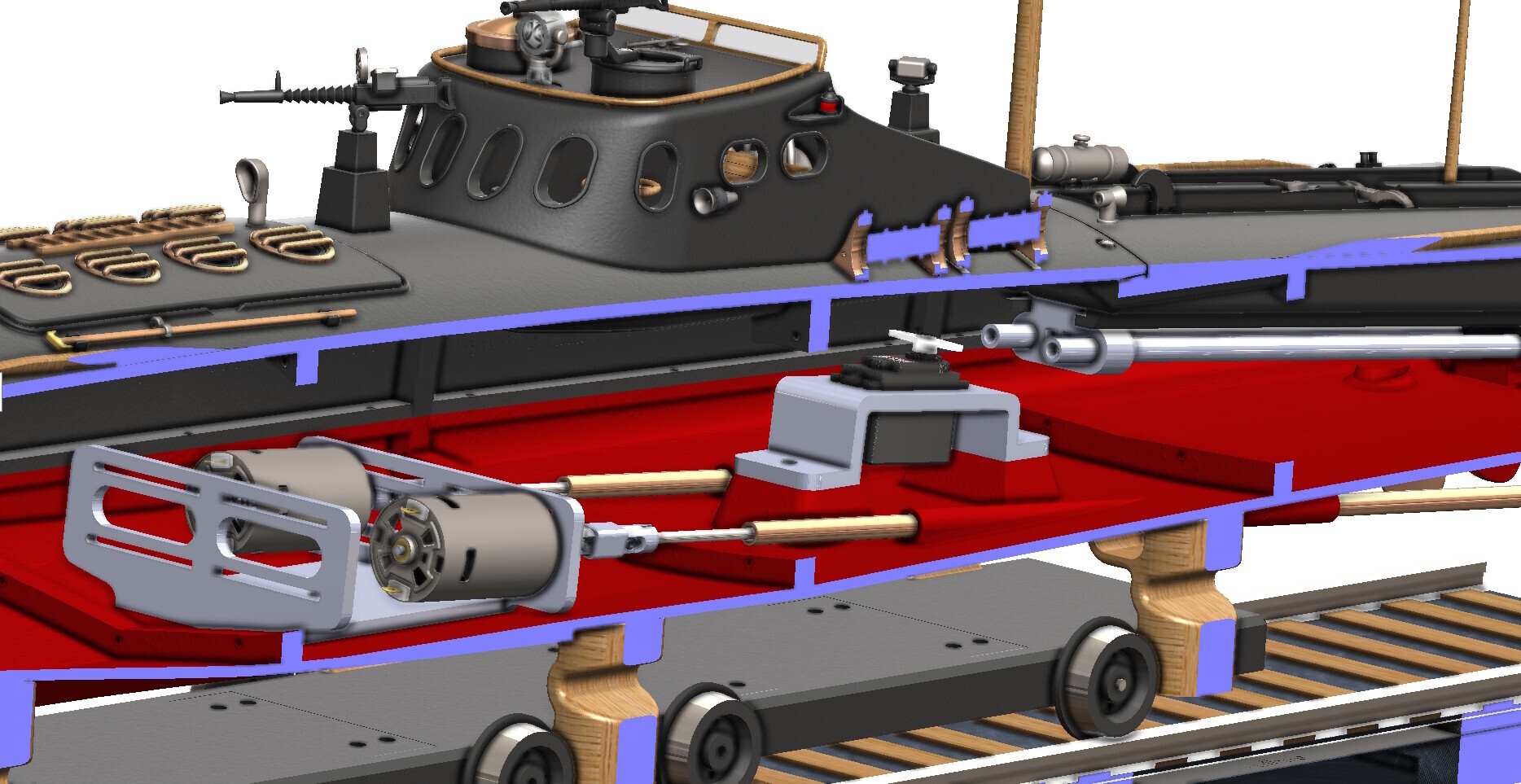
Assembly is intentionally straightforward: dry-fit segmented hull pieces, secure them using the integrated screw bosses for alignment, then bond permanently with adhesive once geometry is verified. The internal layout allows ample space for propulsion components and control systems, and structural sections are designed to maintain hull straightness during bonding. Builders are encouraged to assemble the structural hull first, verify alignment, and only then proceed to deck and superstructure detailing. The result is a historically significant fast attack craft recreated as a builder-friendly, mechanically thoughtful RC platform that rewards careful assembly without overwhelming complexity.
/https://preview3d-images.cults3d.com/i6c5fcoy6wifhdp5yp598yyy5fkp)











/https://preview3d-images.cults3d.com/x89ab6tslrbl6np1wl0faq28zv1j)