3D model description
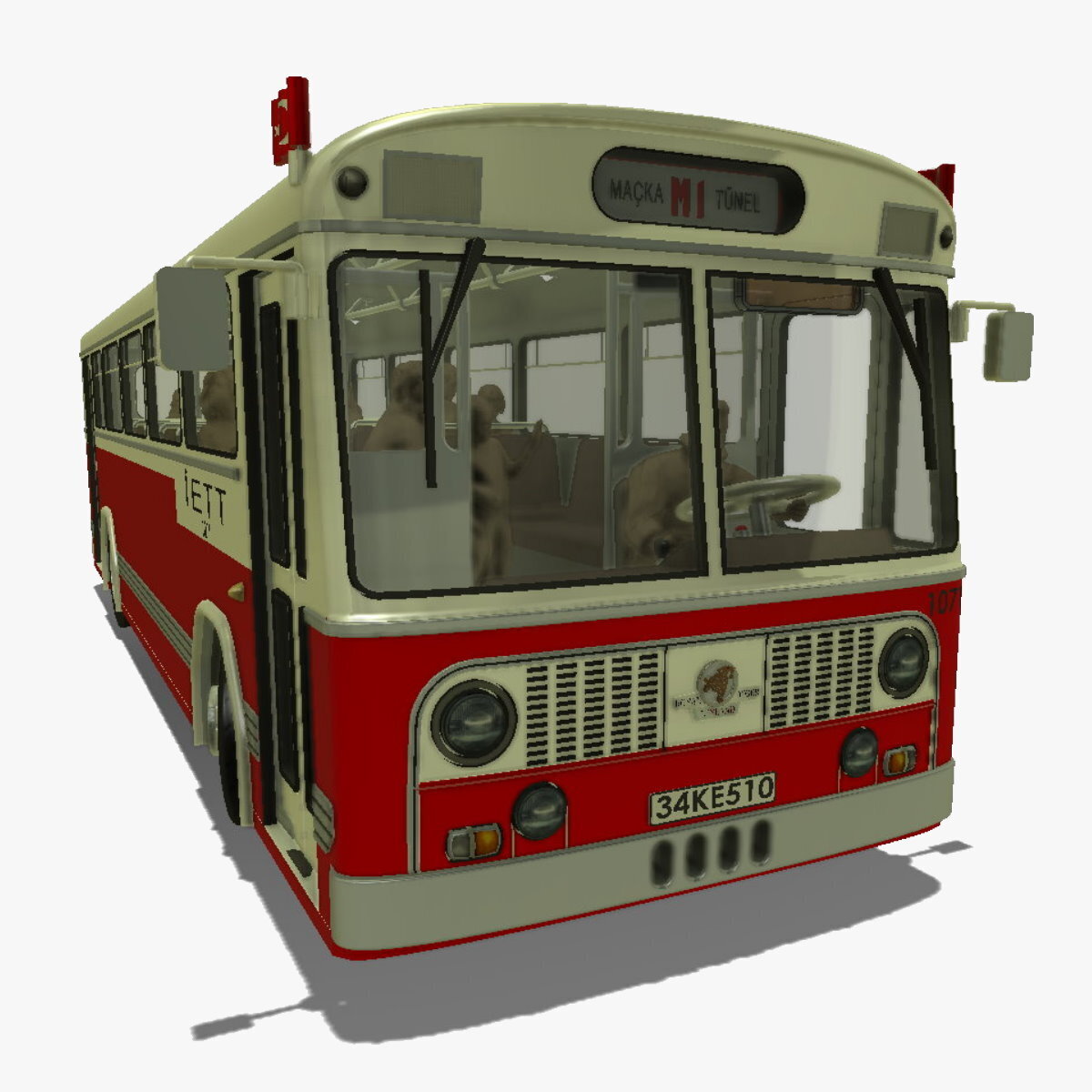
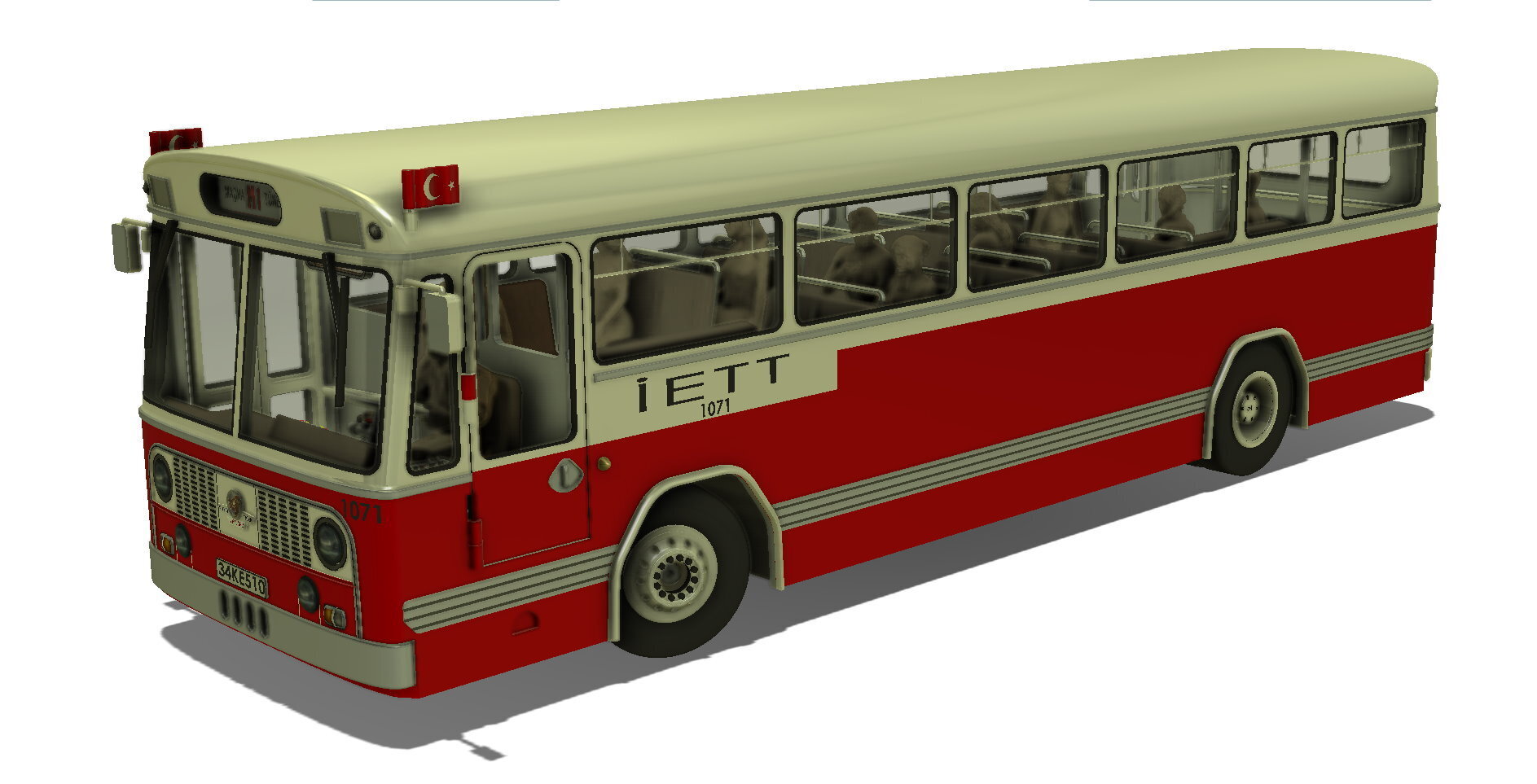
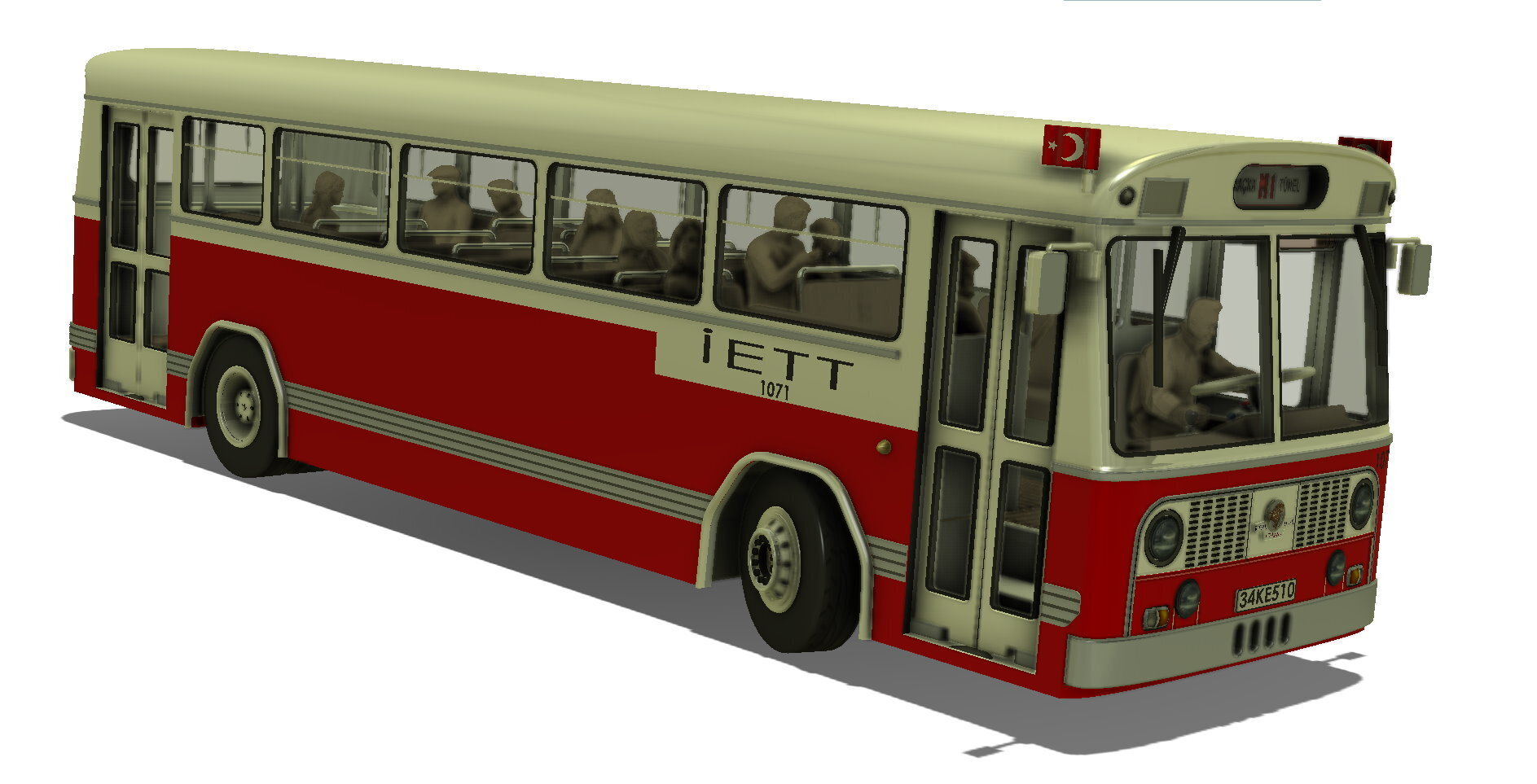
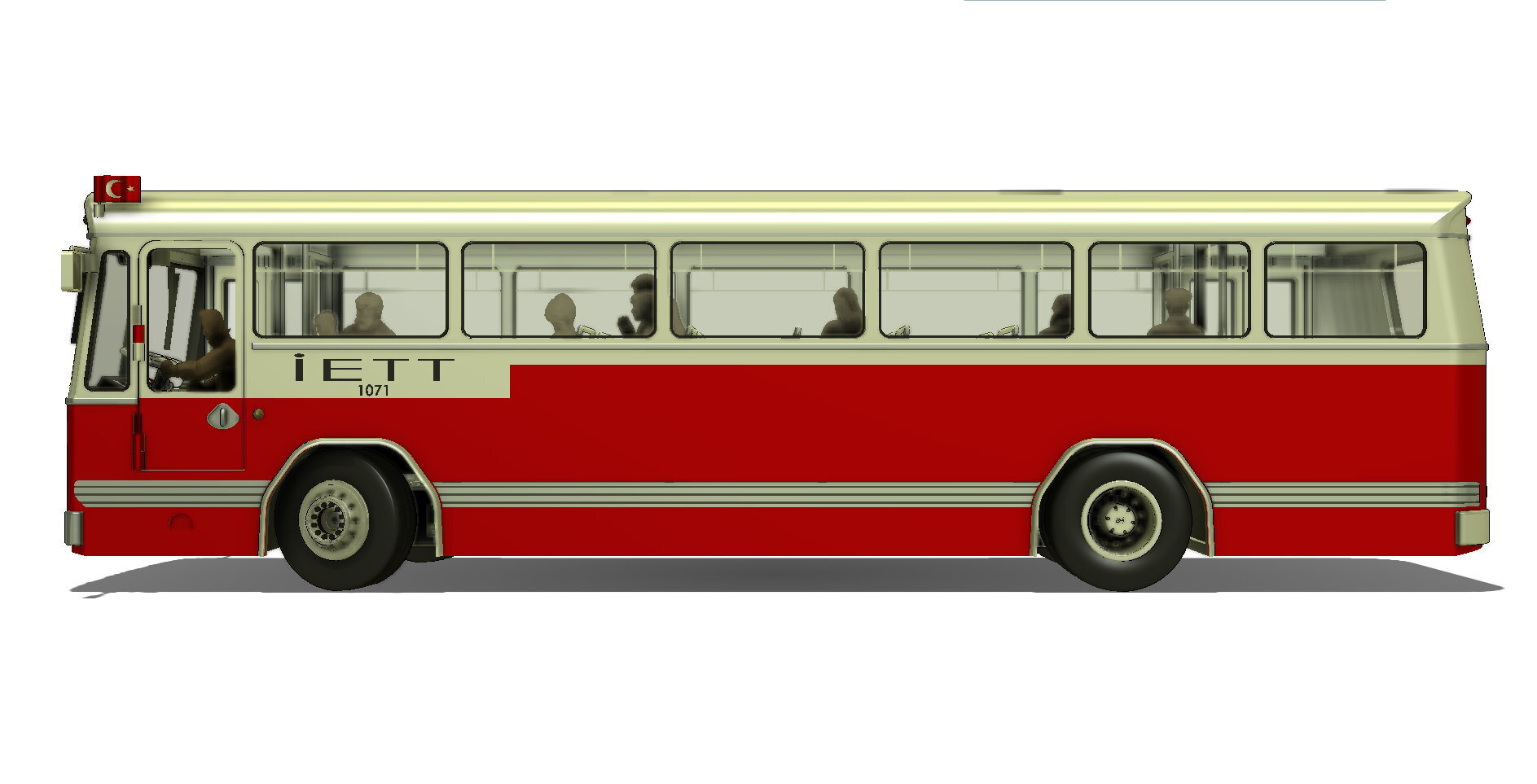
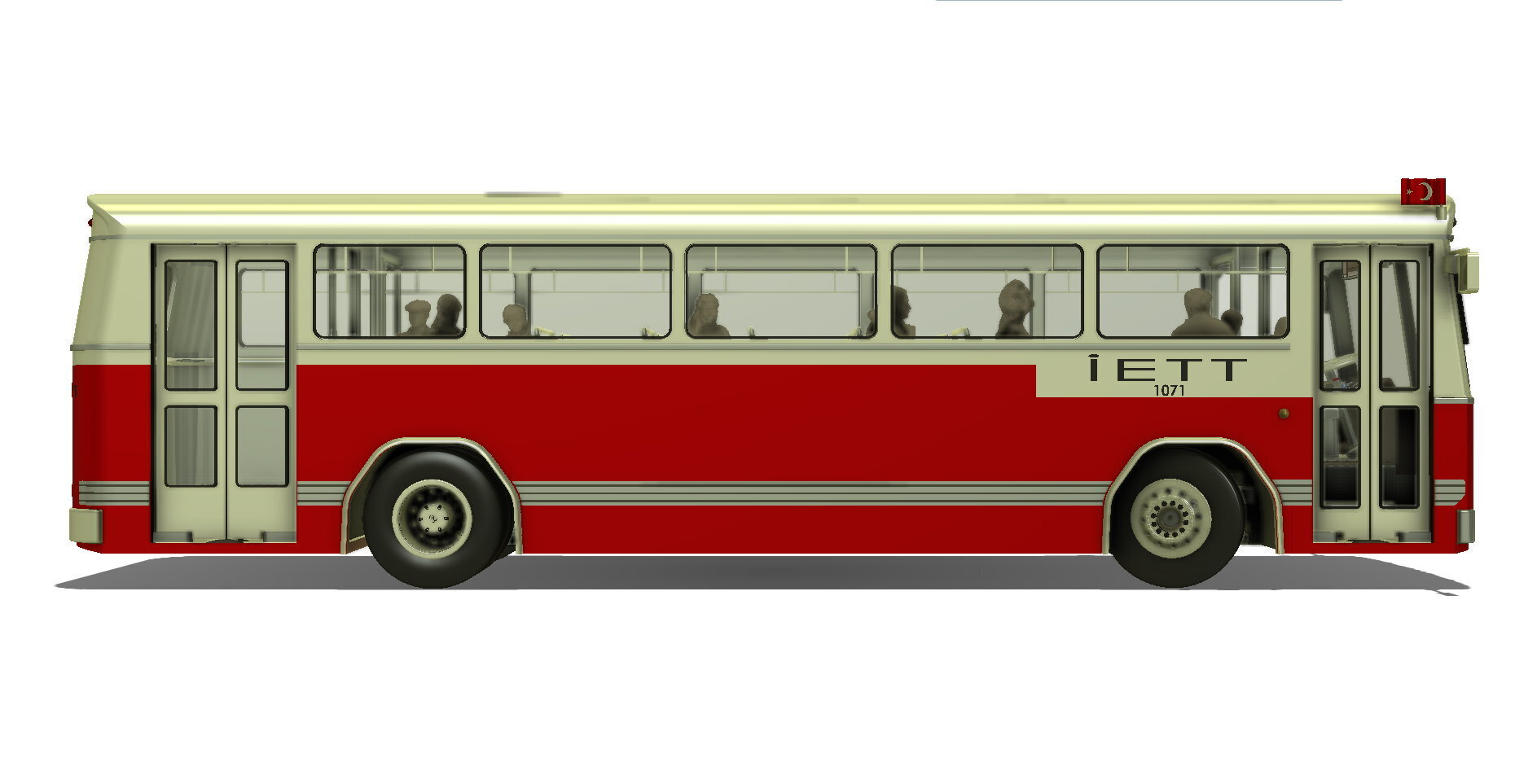
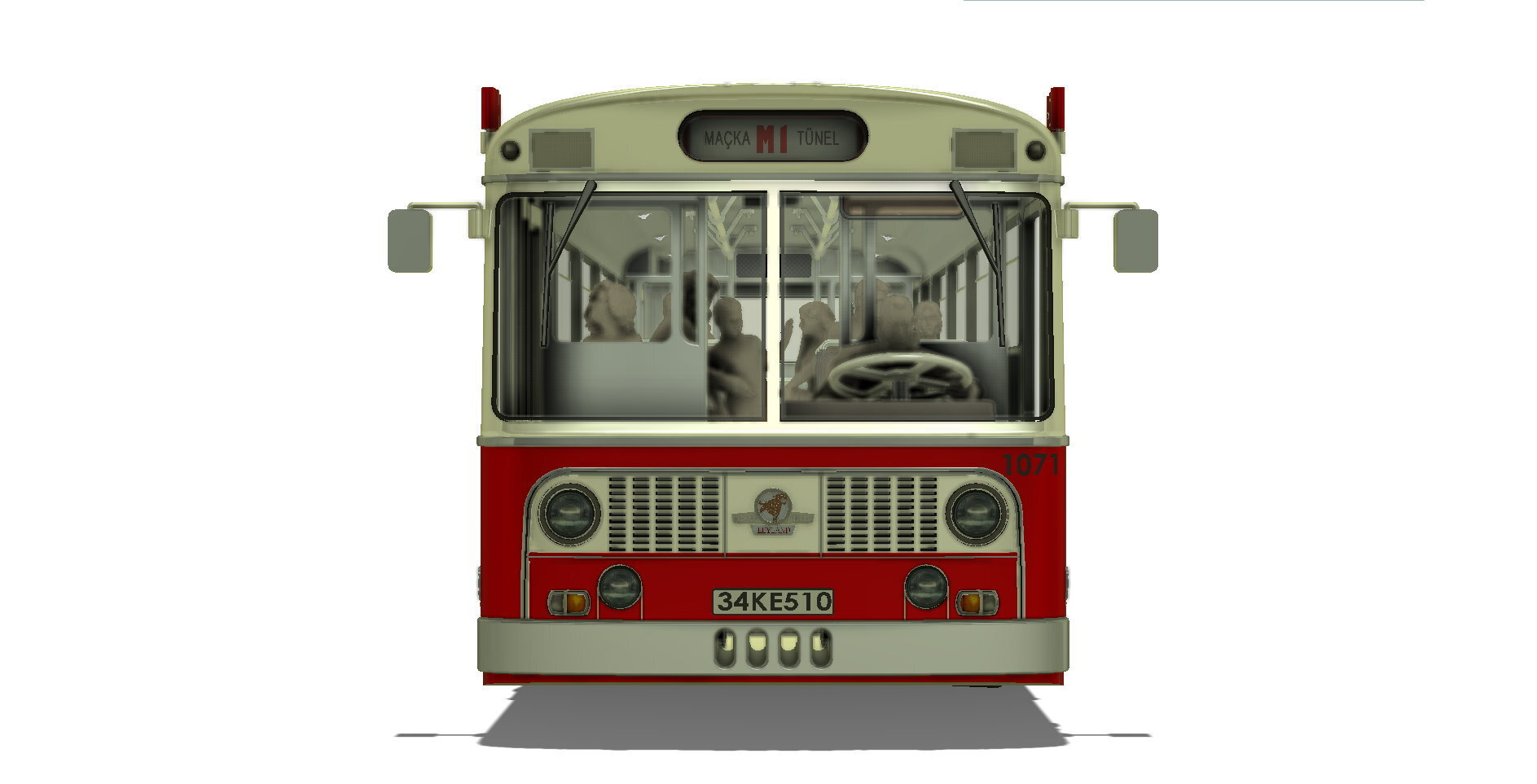
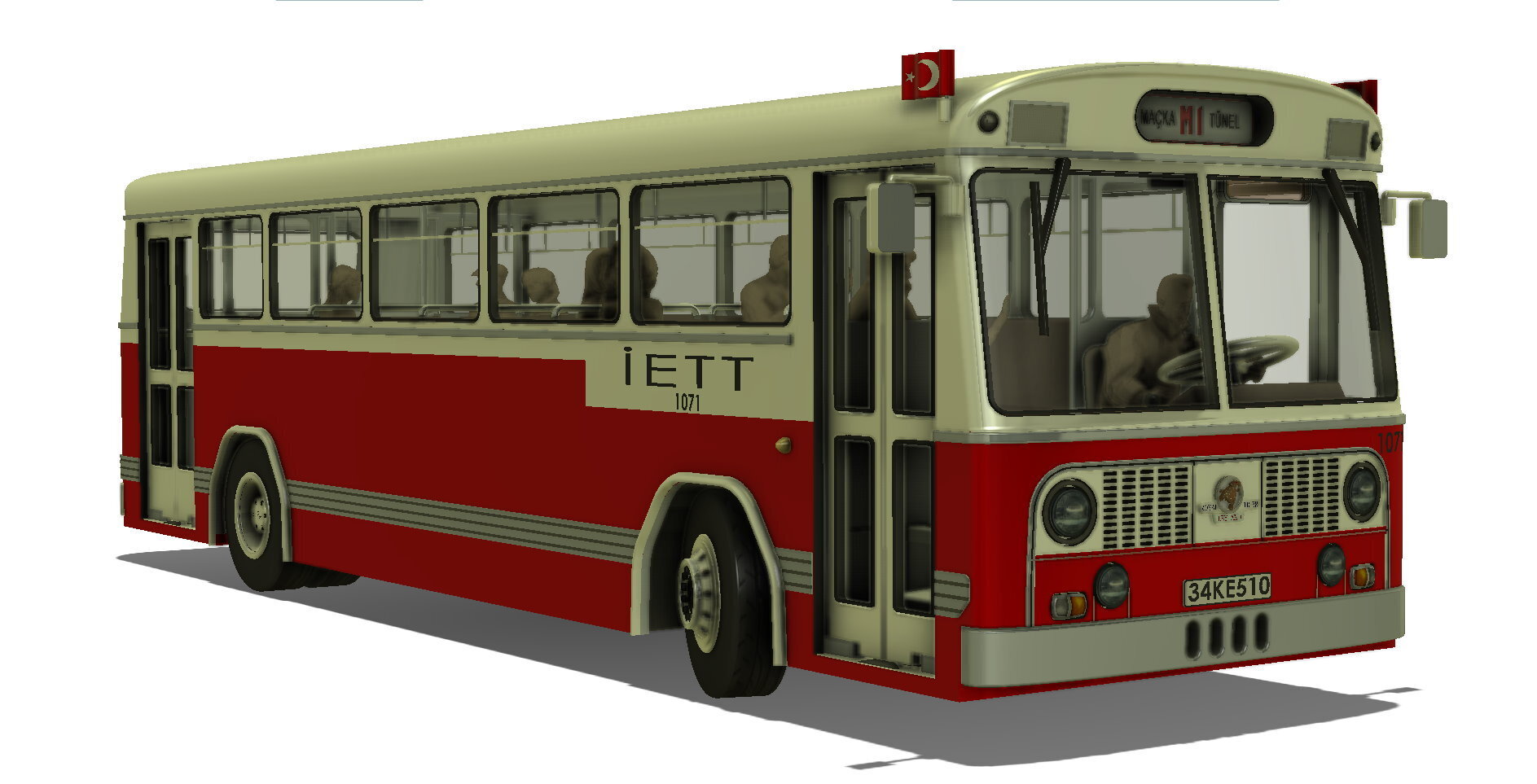
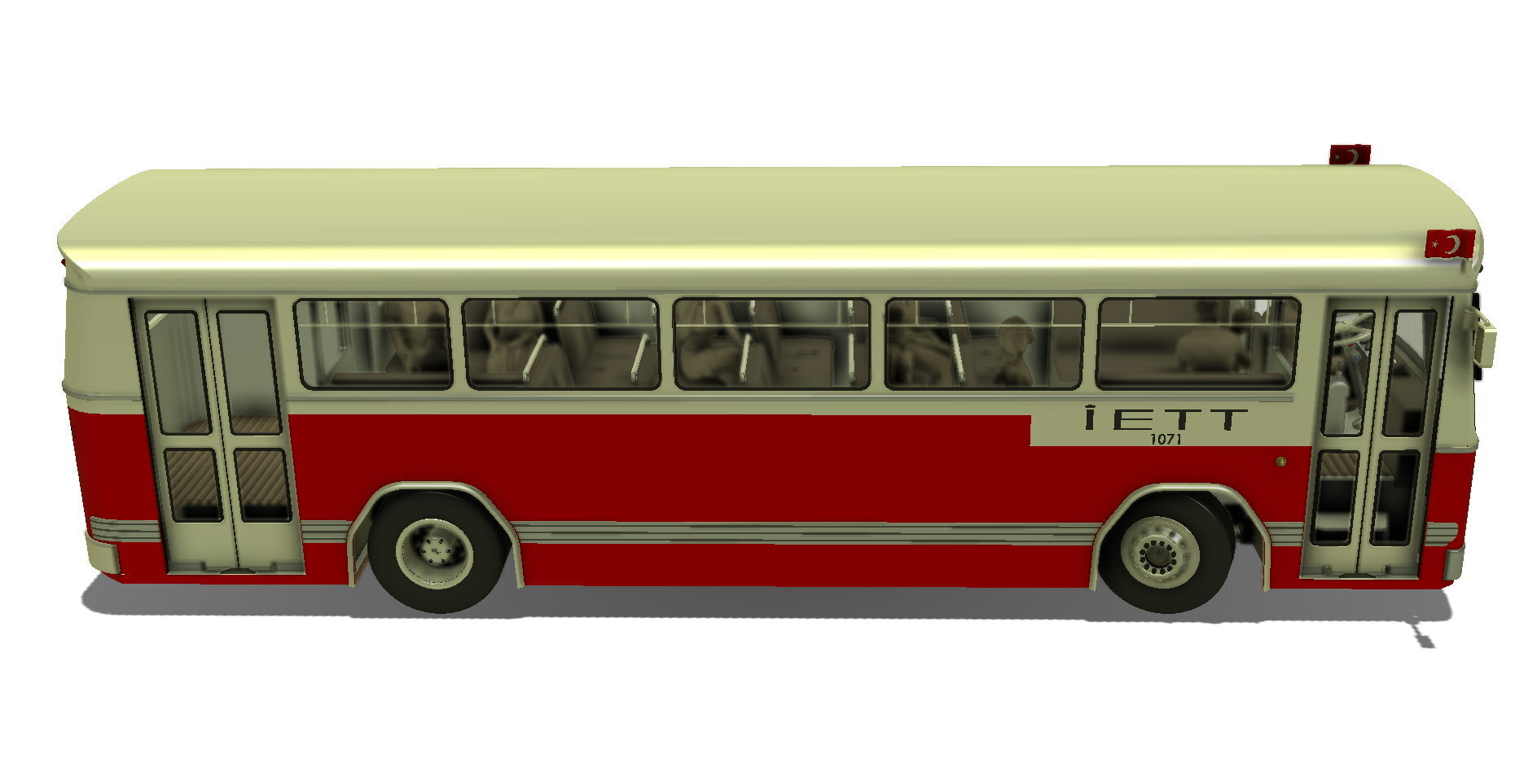
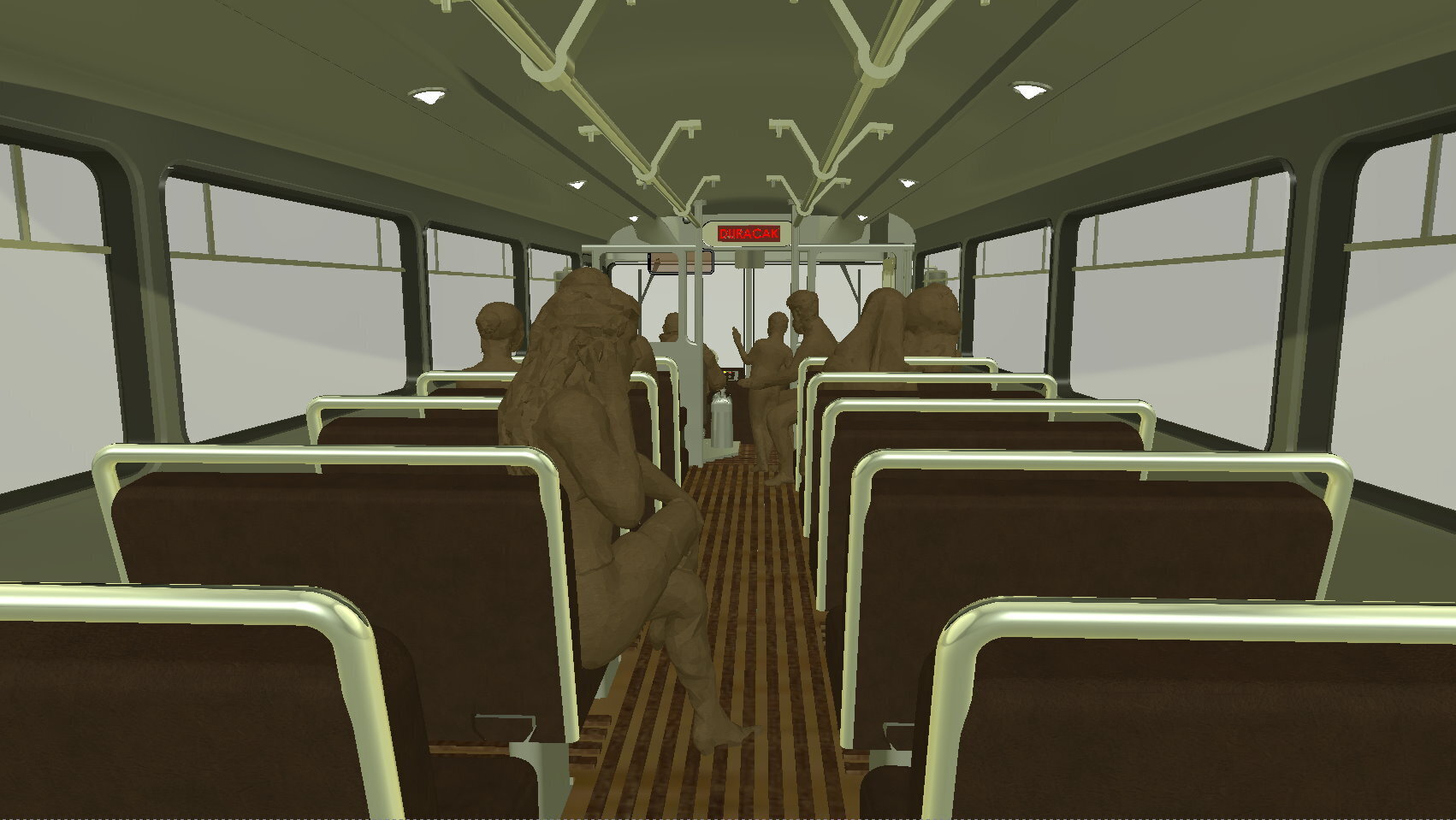
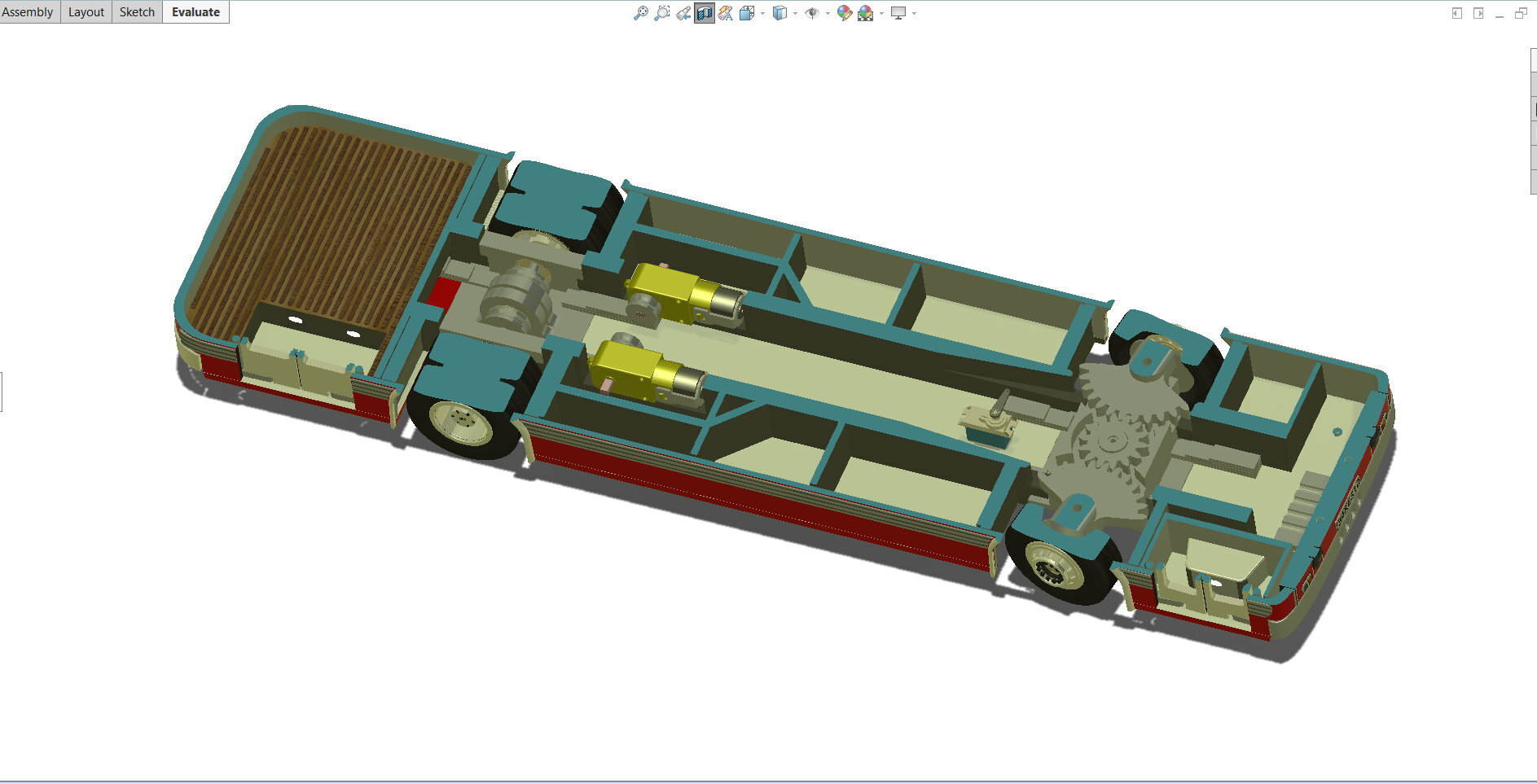
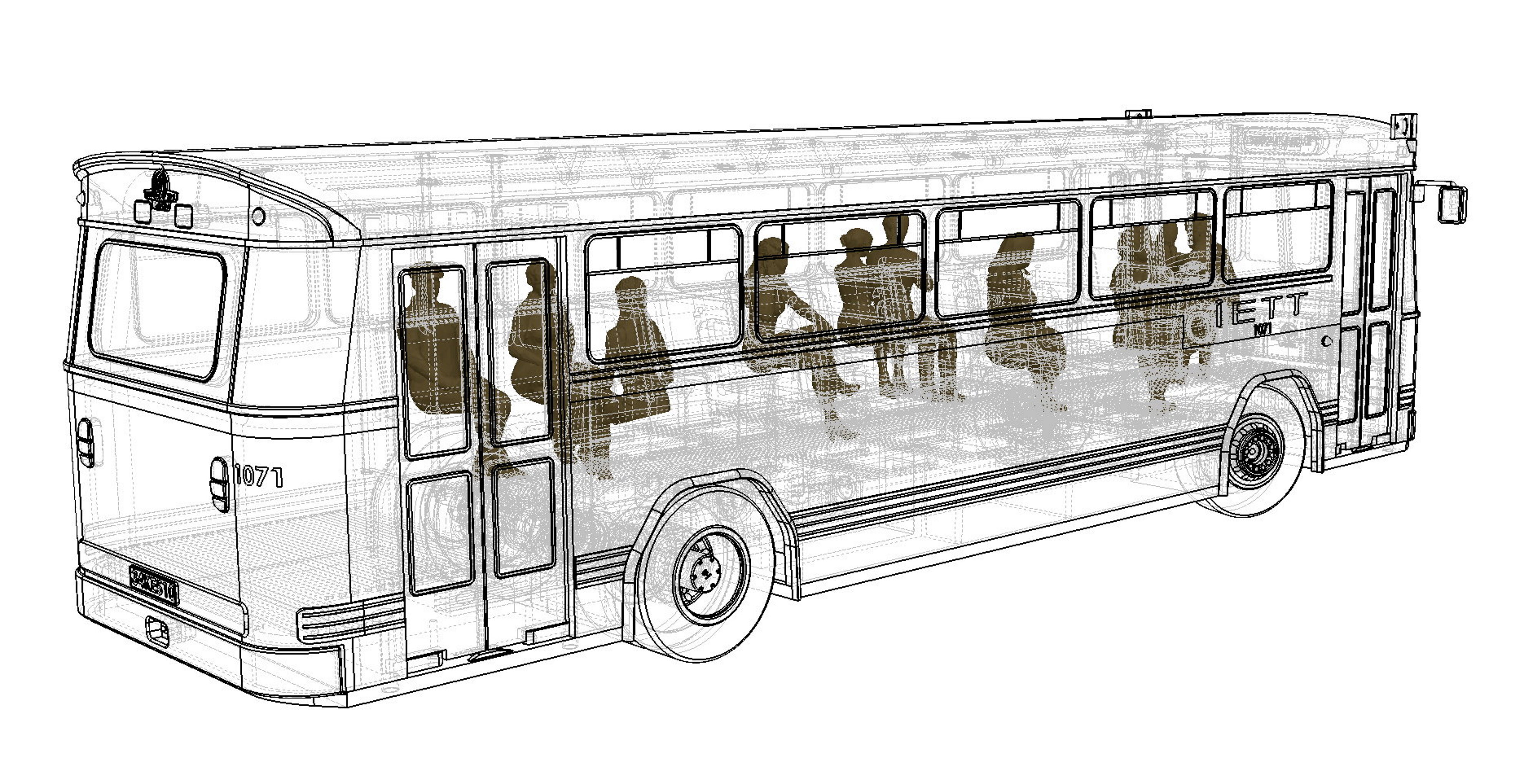
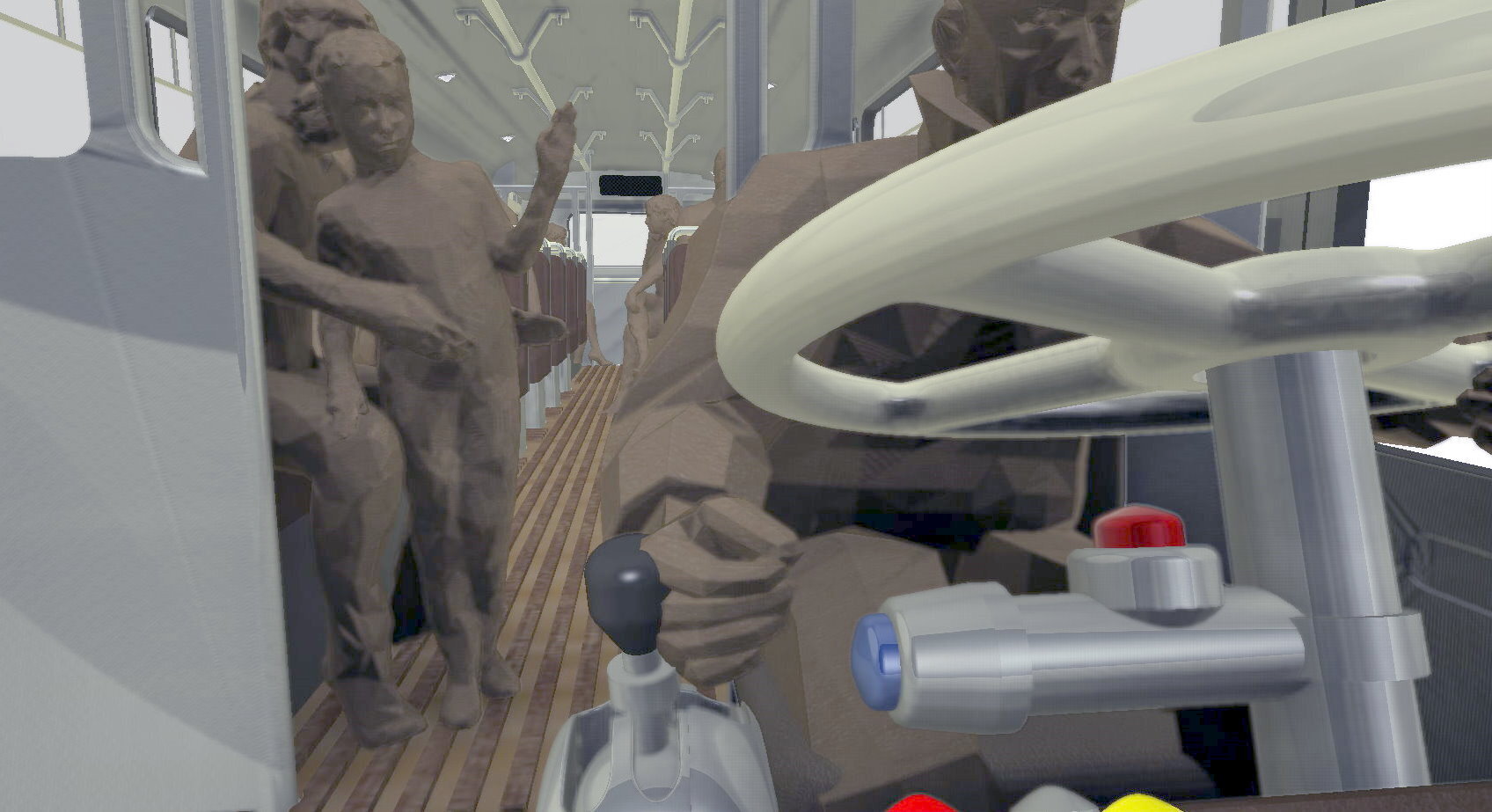
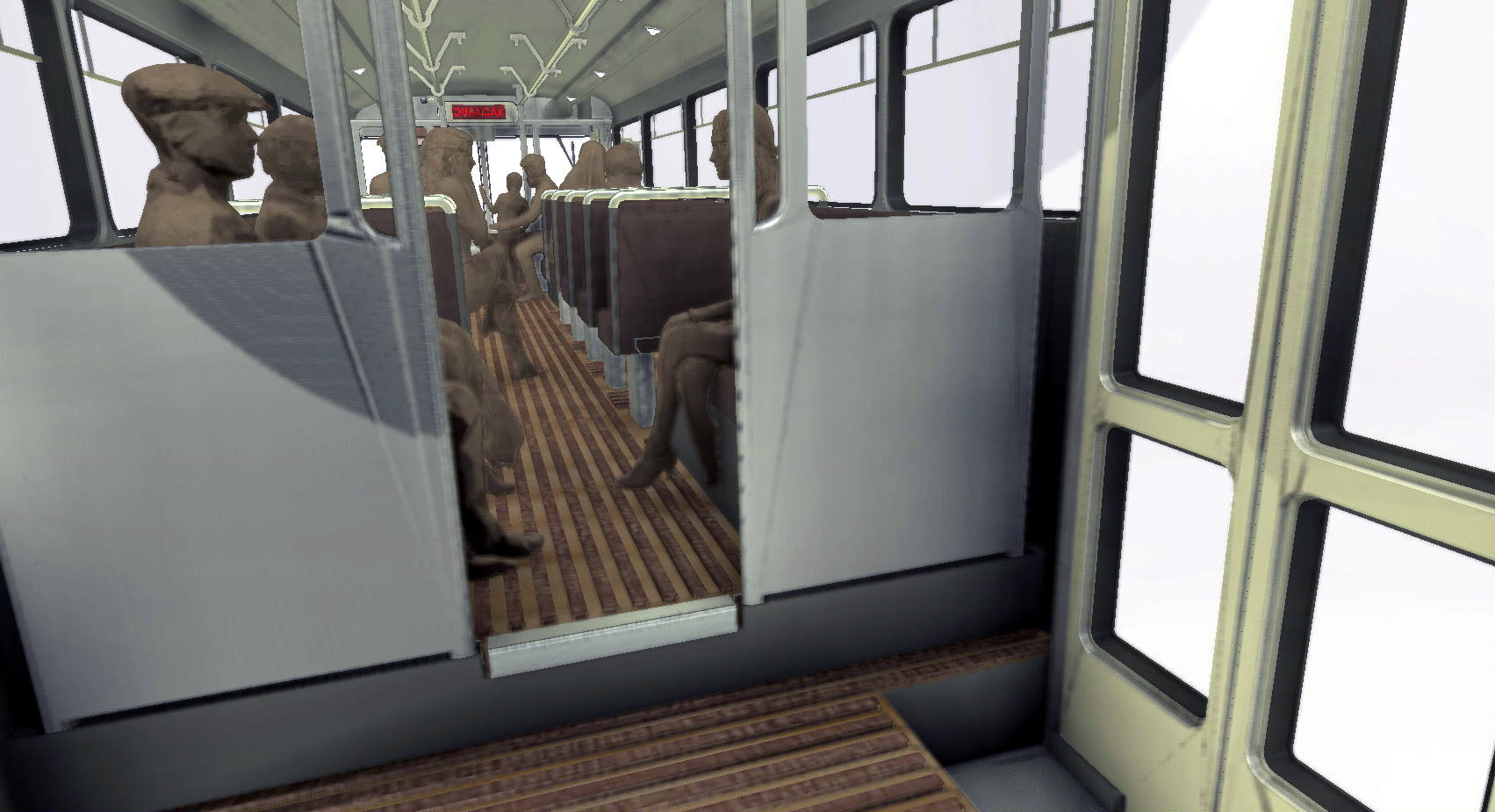
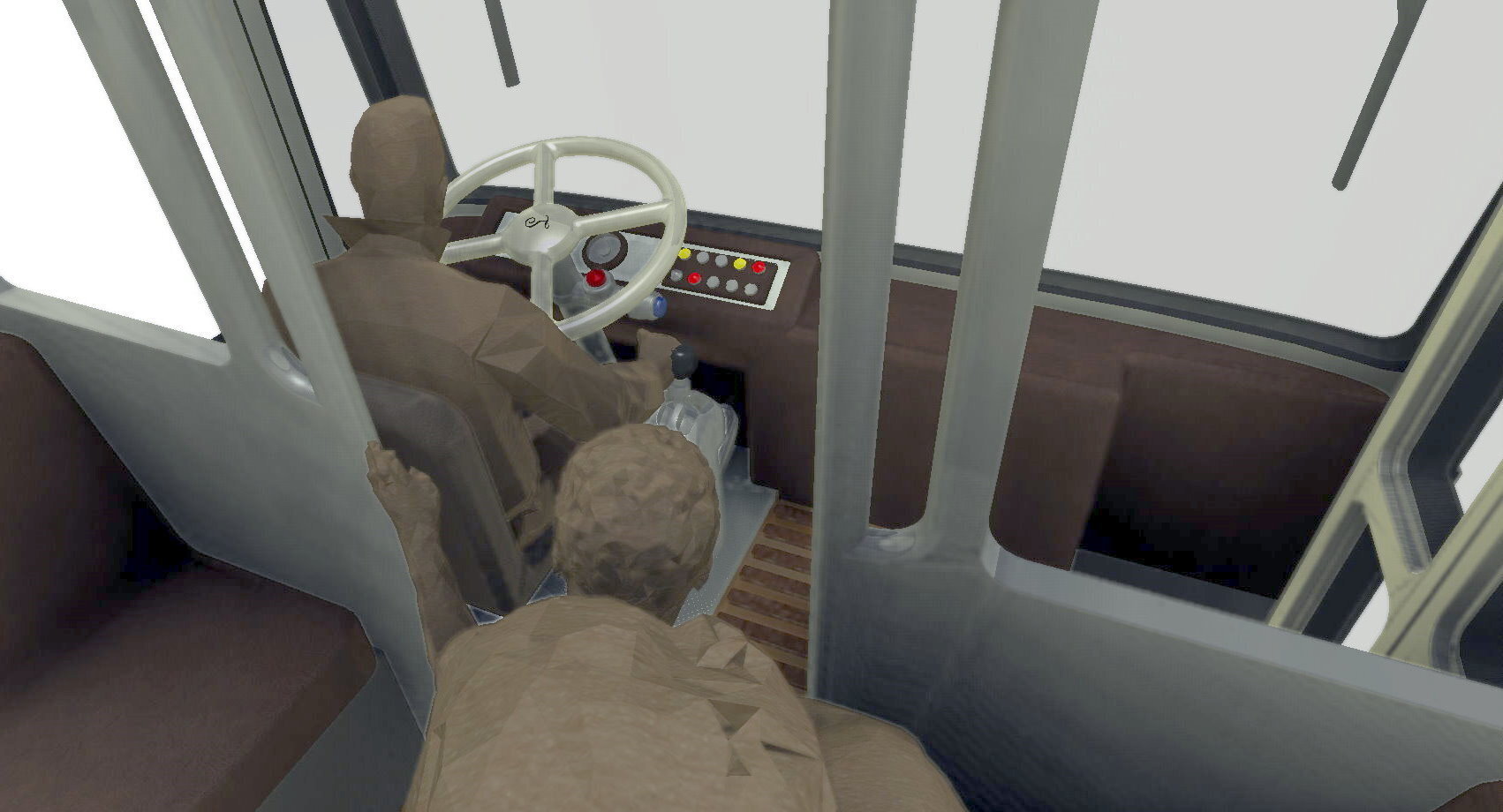
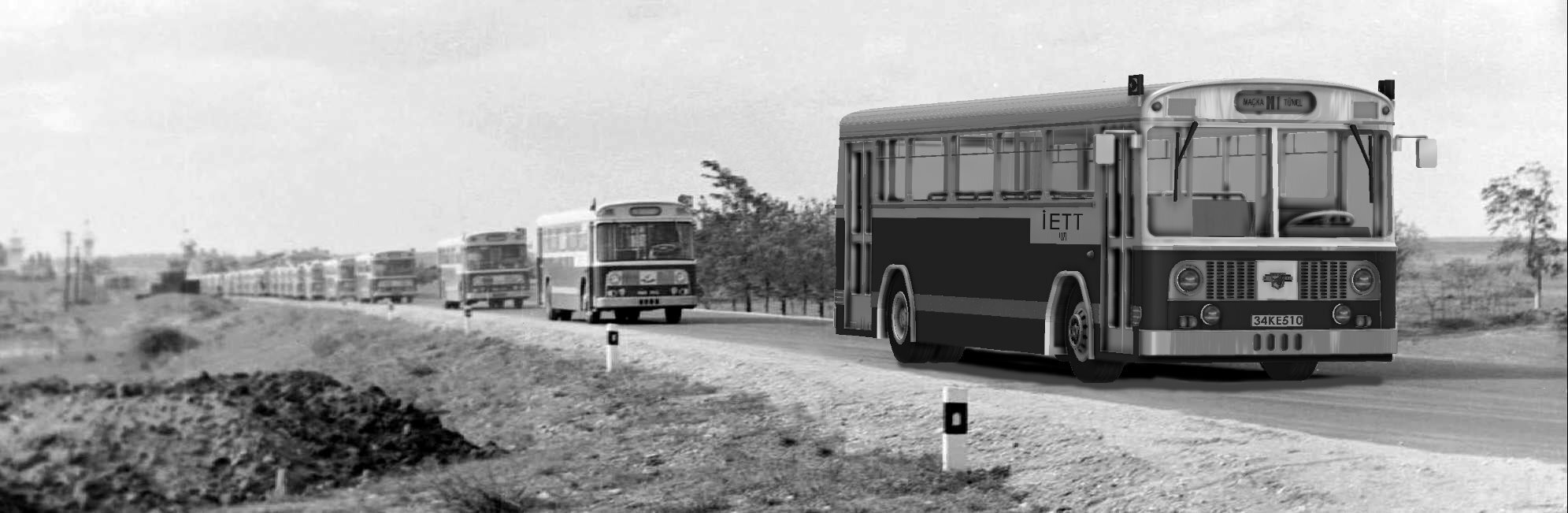
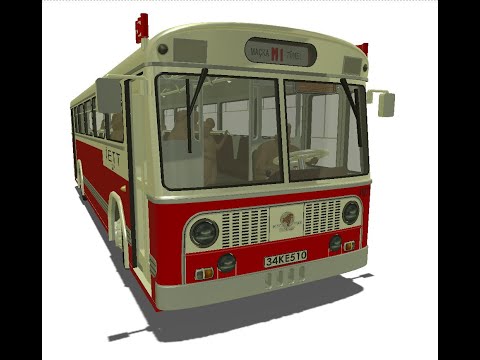
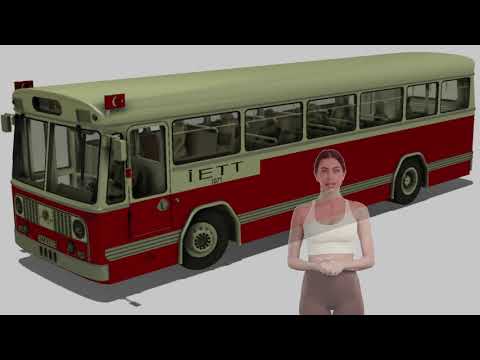
The 3D-Printable Leyland-MCW Olympic B36D Bus Model is a highly detailed scale replica of the historic underfloor-engined single-deck bus manufactured from 1949 to 1971, which served in numerous countries and gained fame in Turkey as the Levend with 300 units delivered to Istanbul's municipal fleet in 1968-1969. Measuring an impressive 66cm in length, this versatile design incorporates functional elements like automatic opening-closing passenger doors, a separate driver door, a rotating steering wheel, freely spinning wheels, and an active suspension system, allowing it to function as either a captivating static display for collectors or a customizable remote-controlled toy for enthusiasts. With thoughtfully engineered empty interior spaces to house gear motors, steering servos, and electronics, it empowers hobbyists, model builders, and DIY tinkerers to create a personalized project that blends vintage aesthetics with modern interactivity, evoking the golden era of mid-20th-century public transportation.
https://youtu.be/2JJmIulMojw
https://youtu.be/0Px-EYdmDx8
3D printing settings
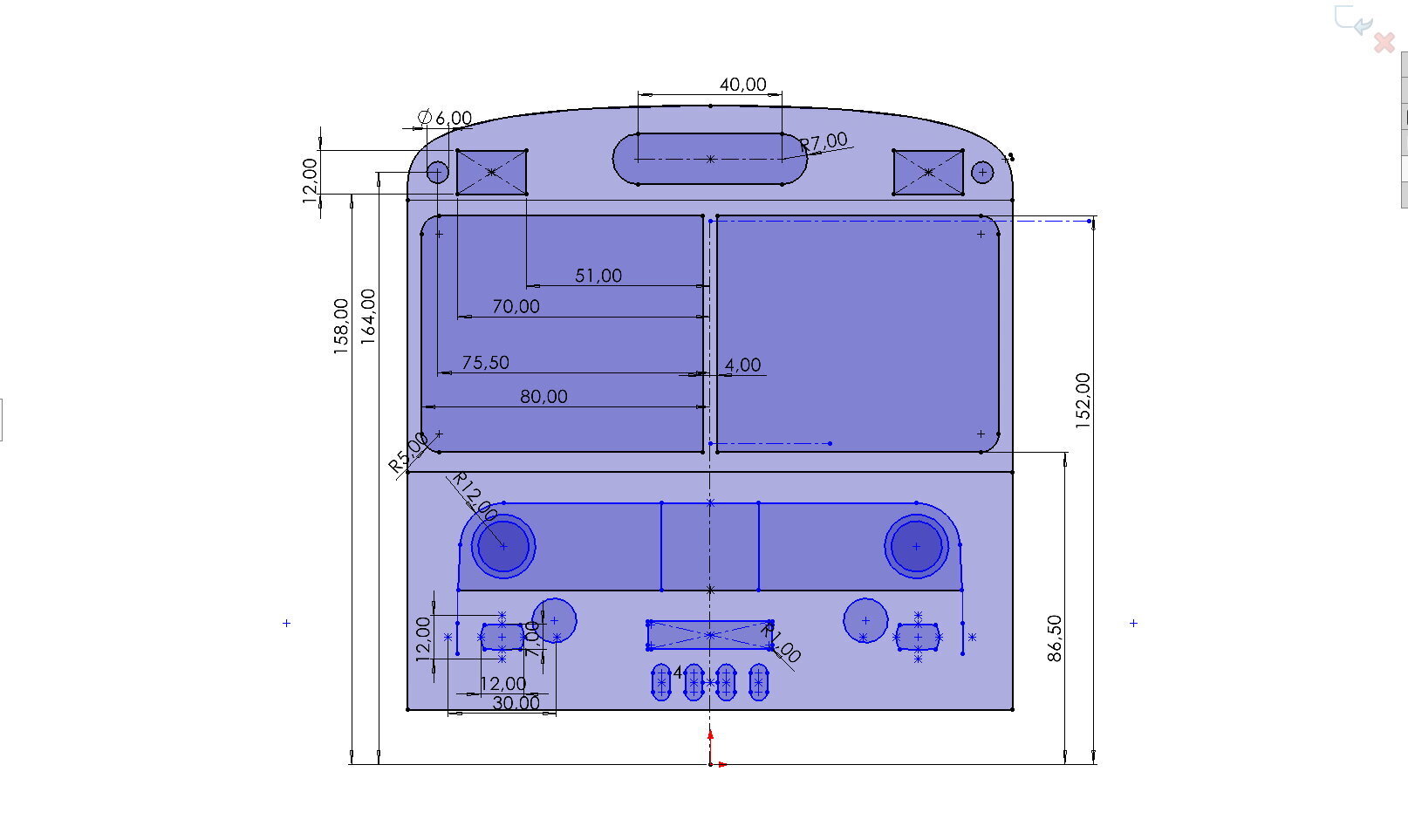
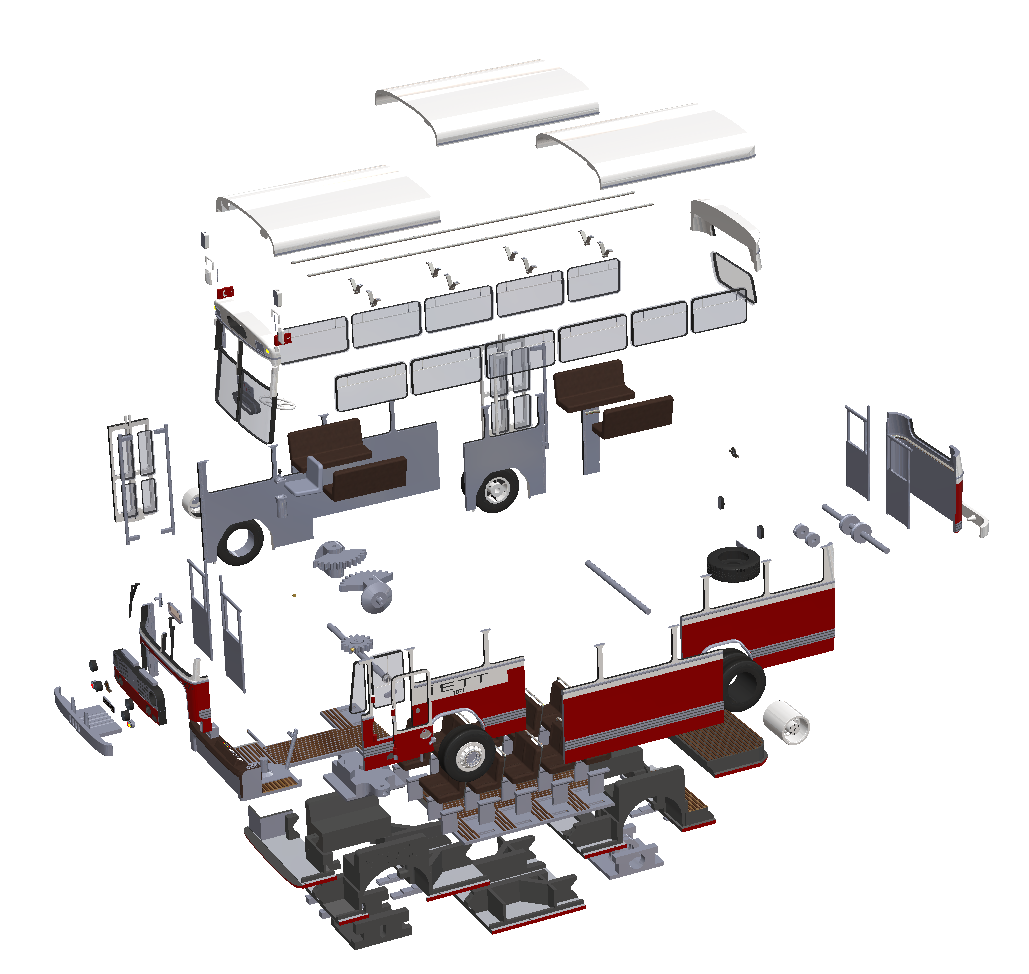
Optimized for accessibility on most FDM 3D printers, the Leyland-MCW Olympic B36D Bus Model is segmented into 175 individual STL files to fit standard build plates, best printed using resilient filaments such as PLA or PETG at a 0.2mm layer height, 20-30% infill, and nozzle temperatures of 200-220°C for precise detailing and mechanical durability, with supports enabled only for complex overhangs like door mechanisms and chassis curves. Group prints by assembly sections—exterior body, interior framework, doors, wheels, and suspension components—to streamline the process and minimize material waste. Assembly typically spans 4-6 hours: begin by securing the chassis base with snap-fits or M3 screws, install hinges and linkages for the passenger and driver doors to enable automatic operation via optional servos, attach the rotating steering wheel and wheels using printed axles or bearings, and integrate the active suspension with flexible printed parts or added elastics for realistic bounce; for RC functionality, mount gear motors and servos in the pre-designed cavities, wire to a controller, and test for smooth movement. Requiring only basic tools like glue, screws, and pliers, this model assembles into a robust, professional-quality build ready for painting, detailing, or immediate use. All parts are carefully named to describe what they are and where they are. They are also numbered to give the information if they are at the front or rear, number 1 is the front most part. Take the exploded view photos as reference. But be warned this is not an easy project, not for the faint hearted. This took me months to 3d model. :D






/https://fbi.cults3d.com/uploads/user/avatar/22322776/000.jpg "endtas")


