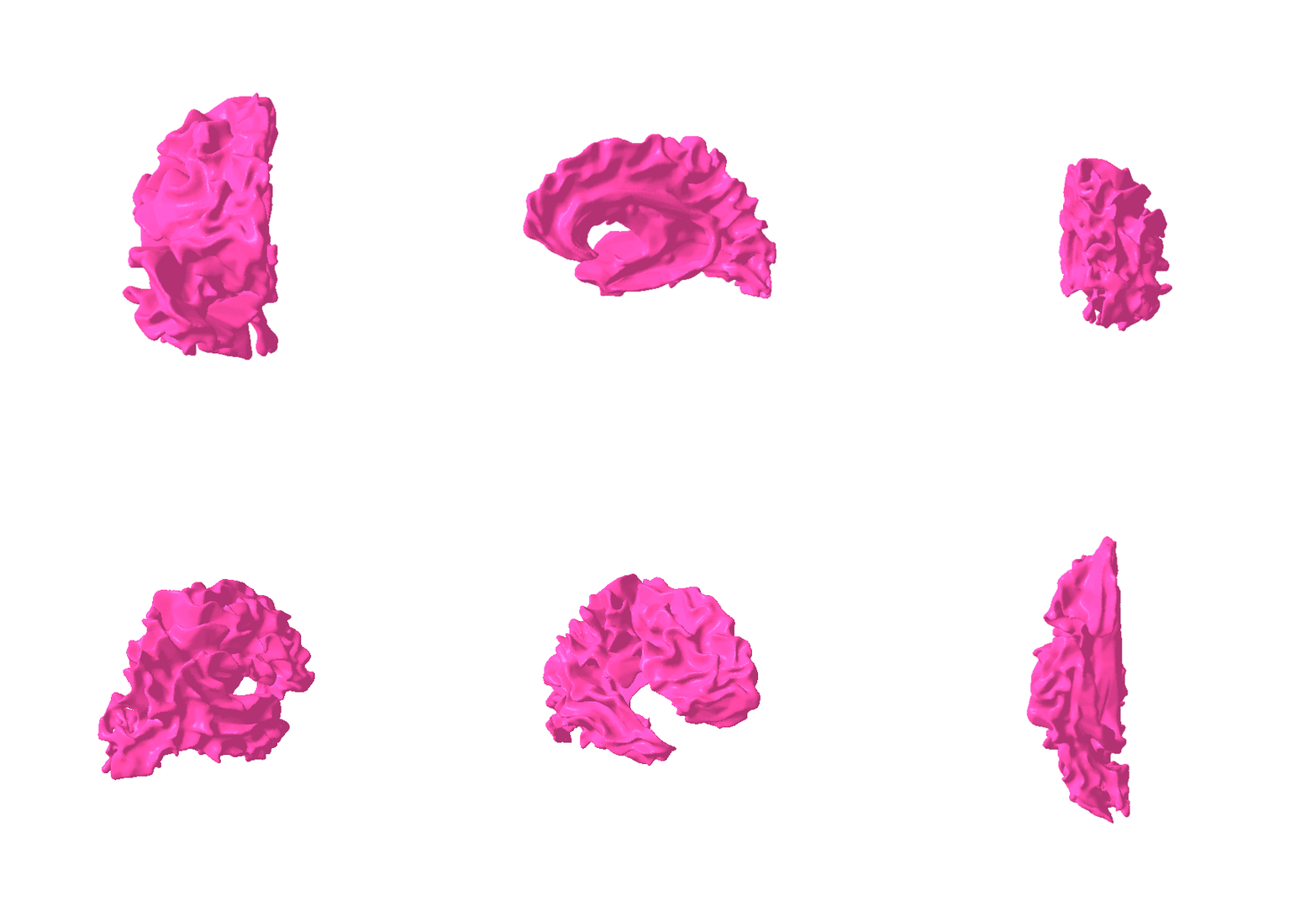
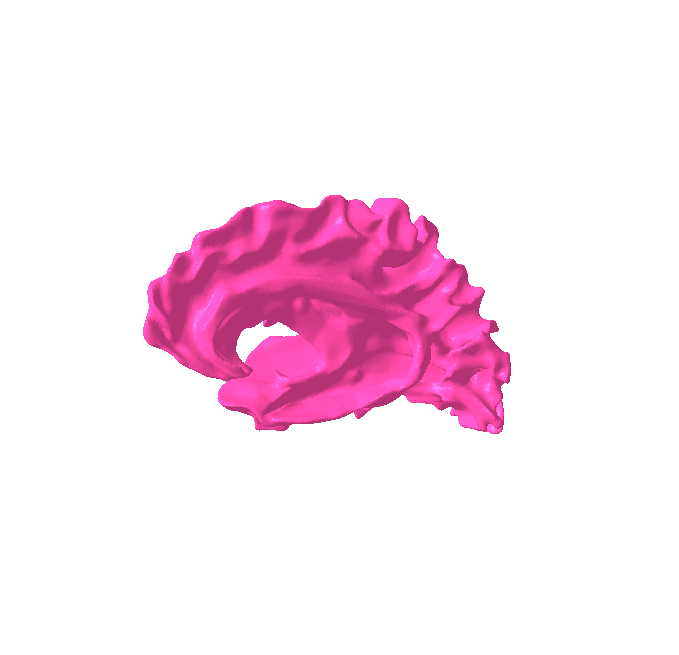
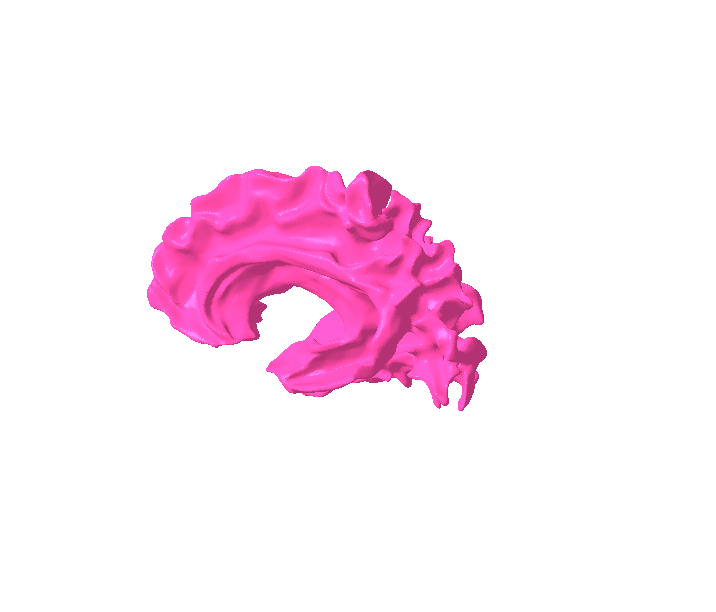
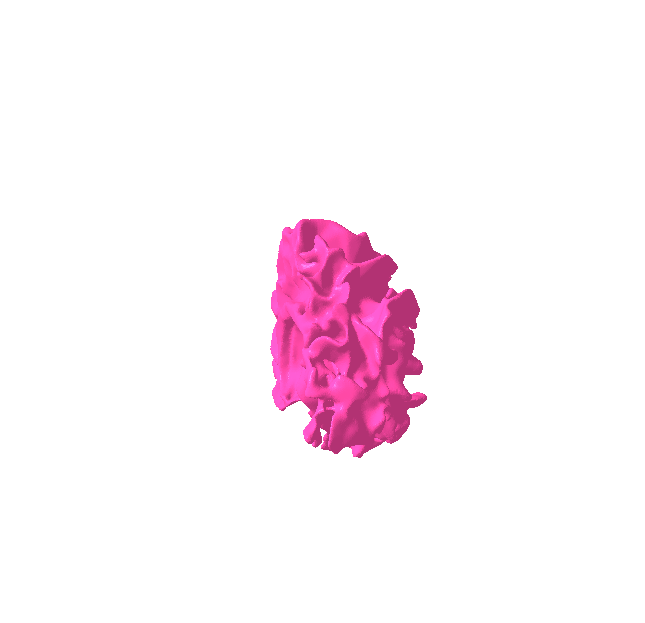
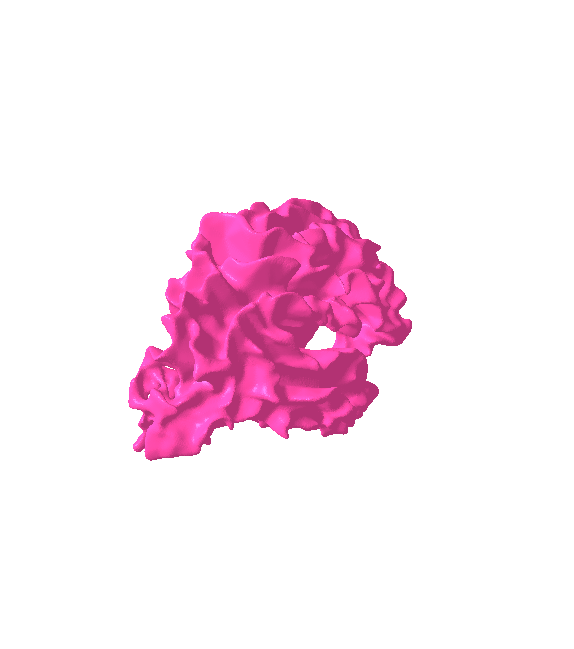
This is high detailed model.
Size 80 MB without zip.
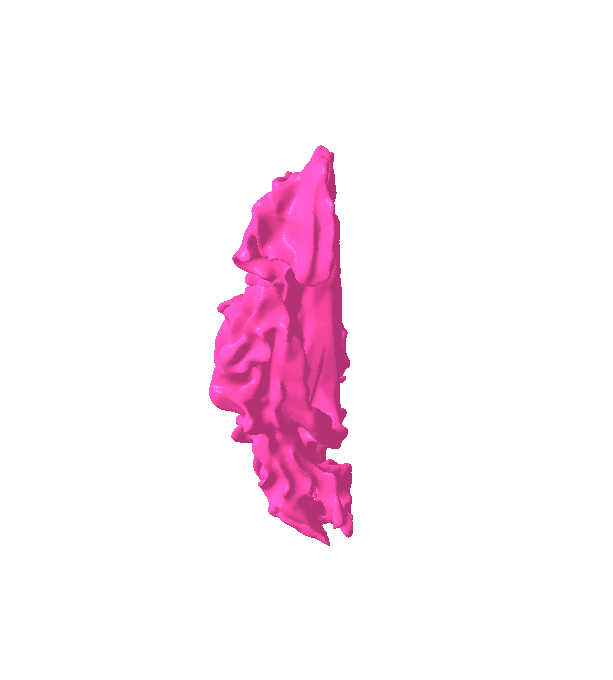
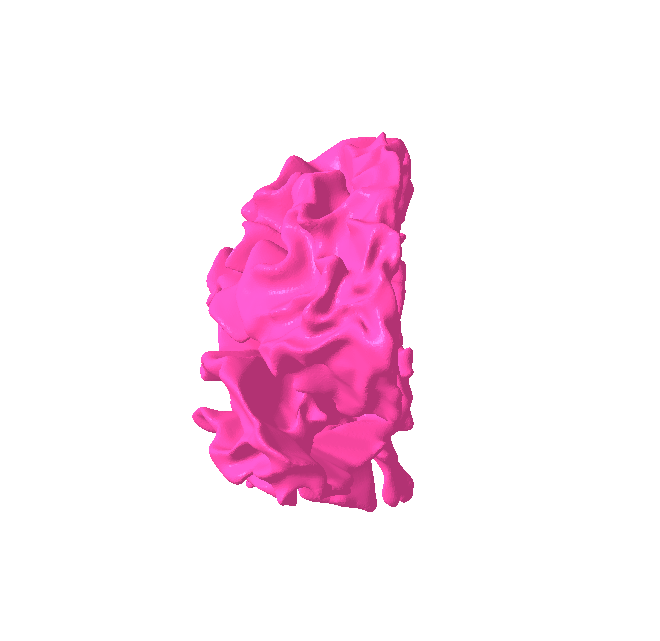
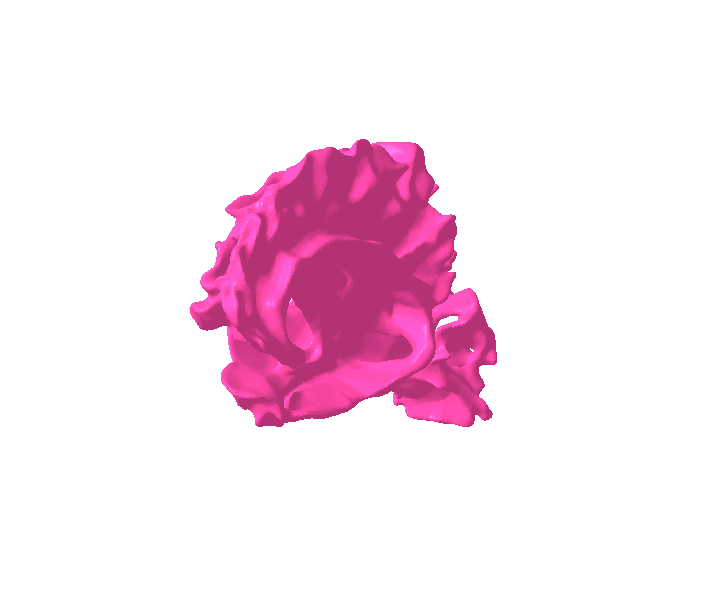
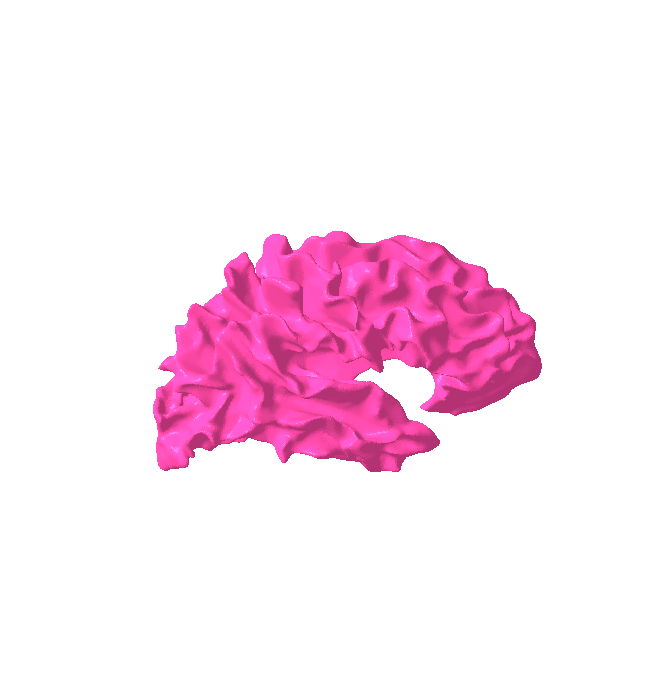
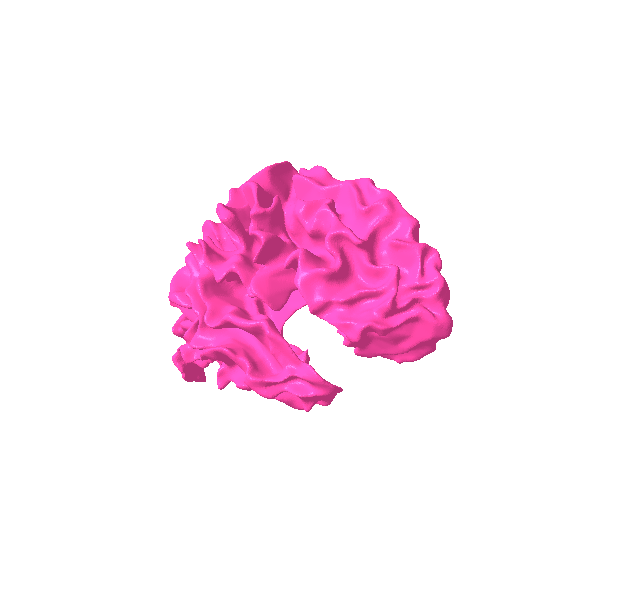
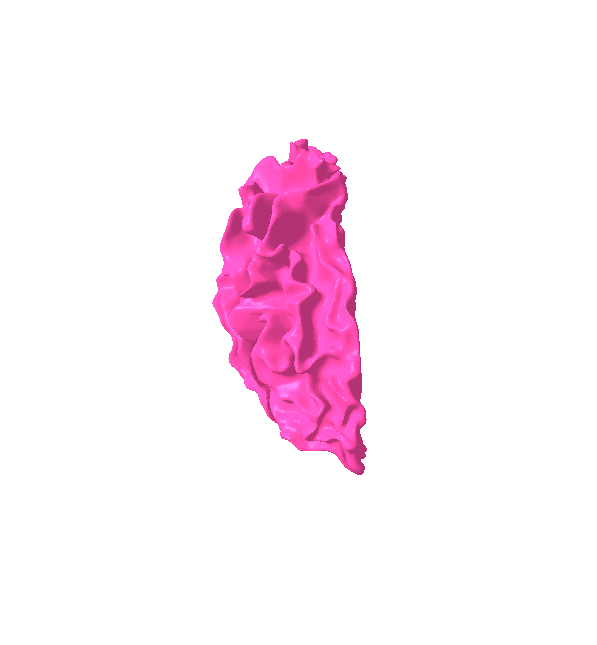
The white matter of the right temporal lobe is a crucial component of the brain's intricate network, facilitating communication between different regions and playing a vital role in a multitude of cognitive and emotional processes.
Structure and Composition:
The white matter is primarily composed of bundles of myelinated nerve fibers, also known as axons. Myelin, a fatty insulating substance, surrounds these axons, enabling rapid and efficient transmission of nerve impulses. These fibers are organized into specific tracts that connect the right temporal lobe to other areas within the same hemisphere, as well as to regions in the left hemisphere and subcortical structures.
Key Fiber Tracts and Connections:
Within the right temporal lobe, and connecting to it, several major white matter tracts are essential:
Association Fibers: These connect different cortical areas within the same hemisphere. Examples relevant to the temporal lobe include:
Uncinate Fasciculus (UF): Connects the anterior temporal lobe with the orbitofrontal cortex, involved in emotional processing, memory, and social cognition.
Inferior Longitudinal Fasciculus (ILF): Connects the temporal and occipital lobes, crucial for visual recognition, object identification, and memory.
Inferior Fronto-Occipital Fasciculus (IFOF): Connects the frontal, temporal, and occipital lobes, contributing to executive functions, visual processing, and semantic memory.
Middle Longitudinal Fasciculus (MdLF): Connects the temporal pole to the parietal lobe, involved in language processing and auditory-spatial integration.
Arcuate Fasciculus (AF) and Superior Longitudinal Fasciculus (SLF): While often associated with the left hemisphere for language, these tracts have important roles in the right temporal lobe for processing prosody (intonation and rhythm of speech), emotional aspects of language, and spatial attention.
"U" Fibers (short association fibers): Connect adjacent gyri within the temporal lobe, facilitating localized communication.
Commissural Fibers: These connect corresponding areas between the two cerebral hemispheres. The most prominent is the Corpus Callosum, which has fibers connecting the right temporal lobe to its counterpart in the left hemisphere, allowing for interhemispheric communication. The Anterior Commissure also connects parts of the temporal lobes, particularly involved in limbic system functions.
Projection Fibers: These connect the cerebral cortex to subcortical structures (like the thalamus and basal ganglia) and the brainstem/spinal cord. While not exclusively within the temporal lobe, they contribute to the flow of information to and from this region.
Functional Significance:
The integrity of the white matter in the right temporal lobe is critical for a wide range of functions, including:
Auditory Processing: Processing non-linguistic auditory information, such as music, environmental sounds, and the emotional tone of speech.
Memory: Involved in the formation and retrieval of various types of memories, including visual memories, spatial memory, and the emotional context of memories, often in conjunction with the hippocampus and amygdala (parts of the limbic system located within the temporal lobe).
Visual Recognition: Especially for non-verbal cues, faces, and objects. The fusiform gyrus, which has significant white matter connections, is crucial for facial recognition.
Emotional Processing: Contribution to understanding and experiencing emotions, particularly fear and social emotions.
Spatial Cognition: Aspects of spatial navigation and processing of spatial information.
Social Cognition: Processing social cues and contributing to theory of mind.
Clinical Relevance:
Damage or abnormalities to the white matter of the right temporal lobe can lead to a variety of neurological and cognitive deficits, depending on the specific tracts affected. These can include:
Memory Impairment: Difficulty with new learning, recognition, or recall.
Auditory Processing Deficits: Problems with recognizing sounds or understanding the emotional content of speech.
Visual Agnosia: Difficulty recognizing familiar objects or faces (prosopagnosia).
Emotional Dysregulation: Changes in emotional responses or difficulty interpreting emotions in others.
Language Difficulties: While the left temporal lobe is dominant for language, the right temporal lobe contributes to prosody and the pragmatic aspects of communication, so damage here can lead to subtle language impairments.
Epilepsy: White matter abnormalities are often observed in temporal lobe epilepsy.
Neurodegenerative Diseases: Conditions like Alzheimer's disease and frontotemporal dementia can involve atrophy and degeneration of temporal lobe white matter.#WhiteMatterRightTemporalLobe #BrainAnatomy #Neuroscience #TemporalLobe #WhiteMatter #BrainHealth #Neurology #CognitiveFunction #BrainResearch #MRI #DTI #DiffusionTensorImaging #NeuralPathways #Axons #Myelin #BrainStructure #Neuroimaging #BrainScience #Neuroanatomy #CerebralHemispheres #RightBrain #BrainFunction #Cognition #Memory #Language #Perception #BrainStudies #MedicalImaging #Neurobiology #HumanBrain #CentralNervousSystem #CNS #BrainMapping #Neuroplasticity #BrainDevelopment #AgingBrain #BrainDisorders #NeurologicalConditions #BrainInjury #StrokeRecovery #Neurorehabilitation #BrainFitness #MentalHealth #NeuroscienceResearch #BrainConnections #NeuralNetworks #BrainFacts #MedicalScience #AnatomicalTerms #BrainImaging



:format(webp)/https://fbi.cults3d.com/uploaders/37864523/illustration-file/6825bd51-4f32-4c74-ad61-e6982ca824c7/Gif.gif)