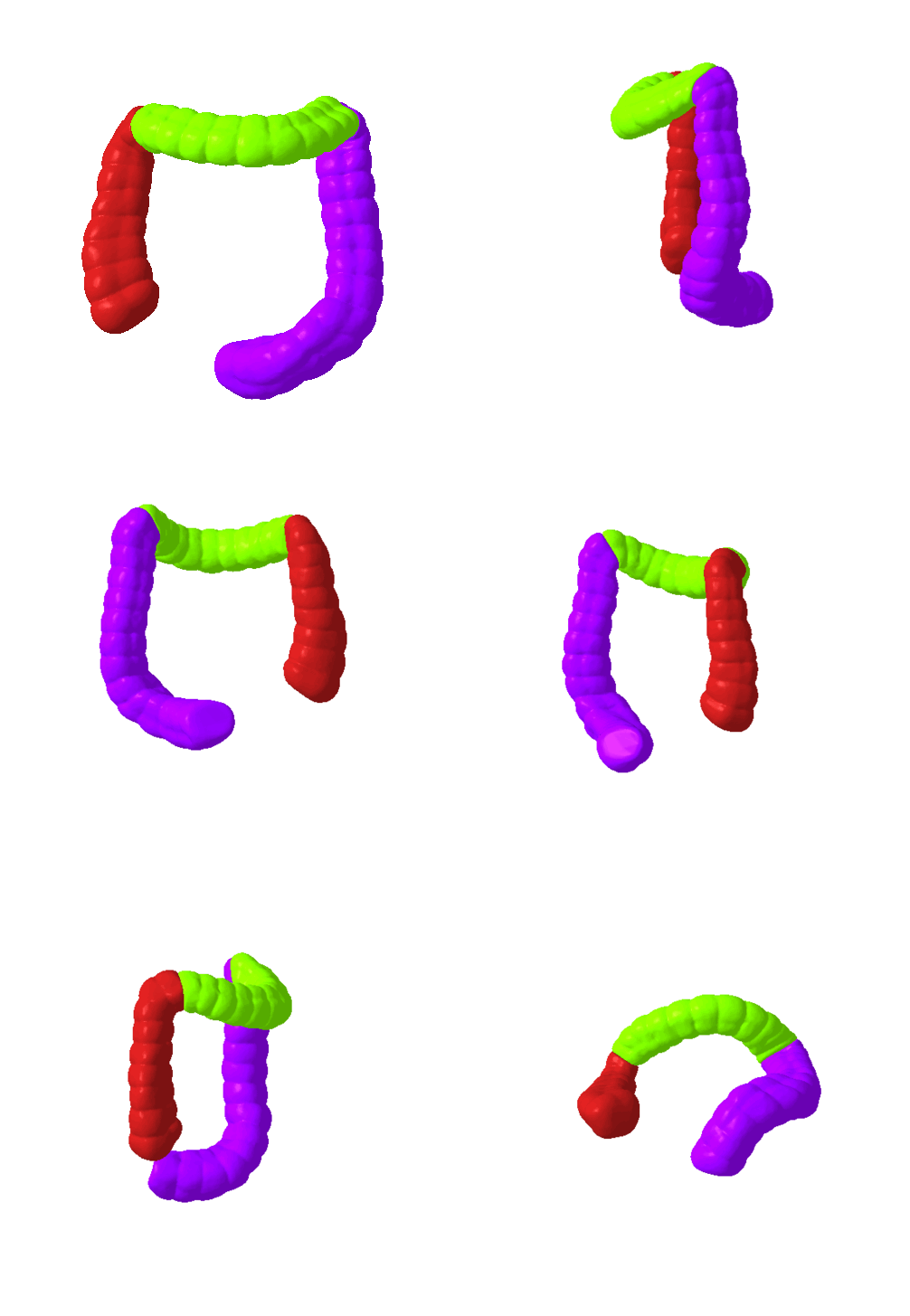
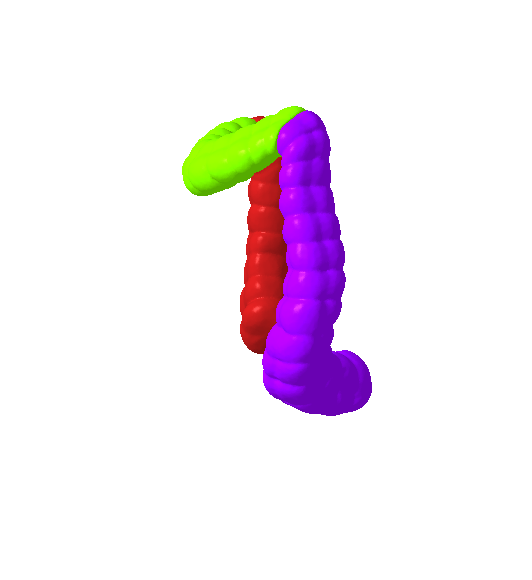
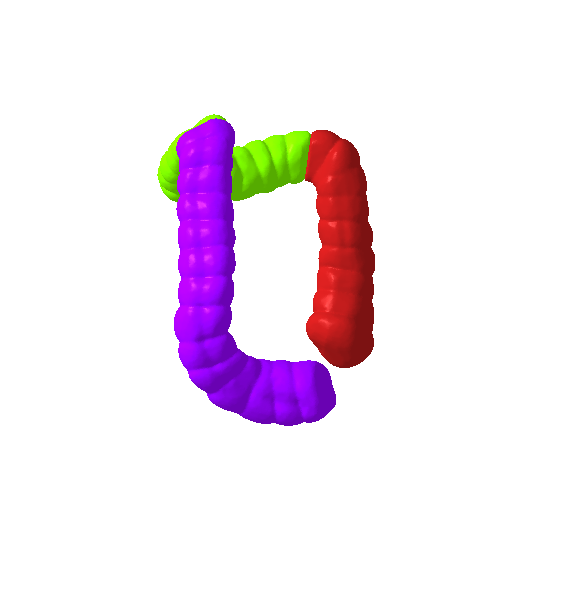
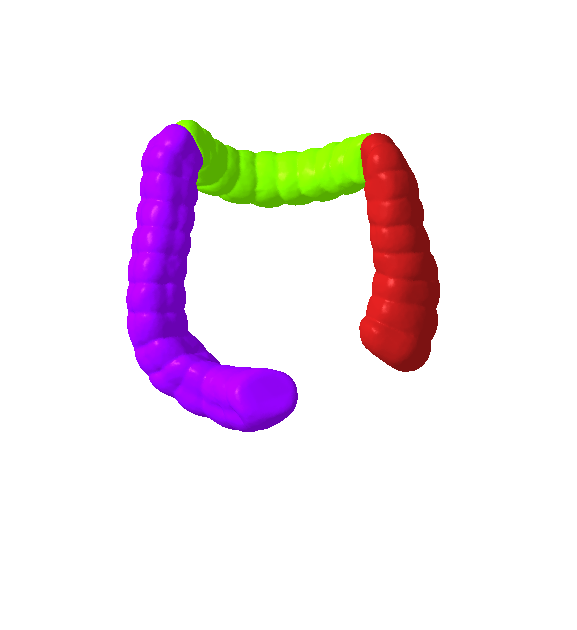
This is high detailed model.
Size 95 MB + 92 MB without zip.
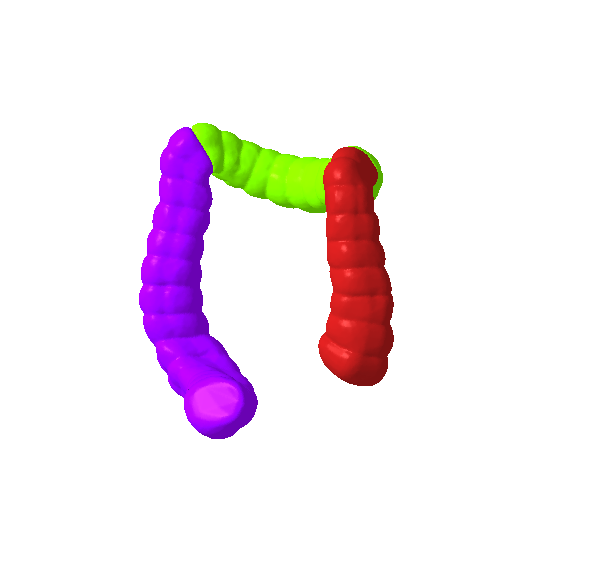
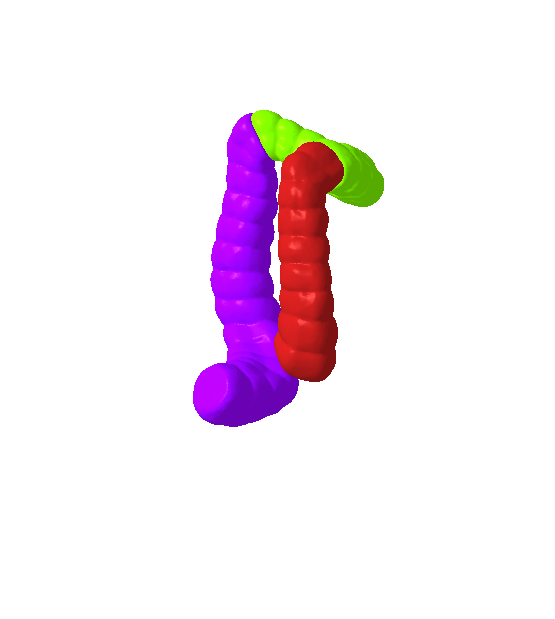
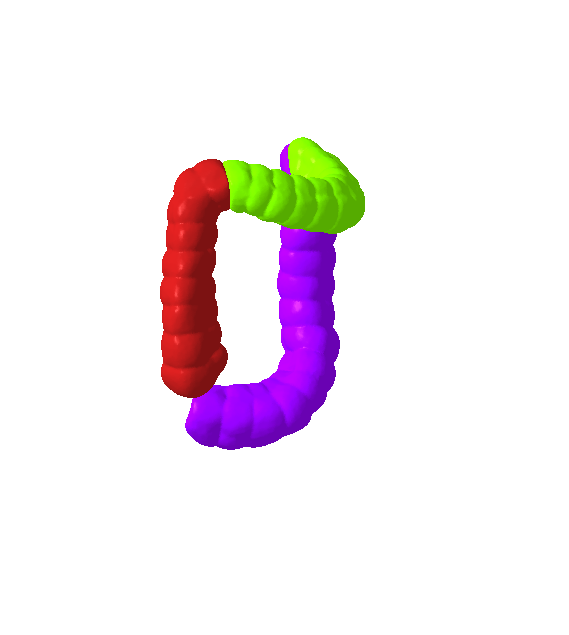
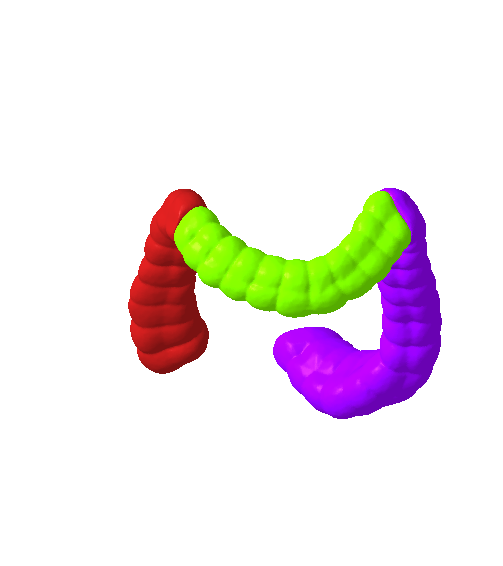
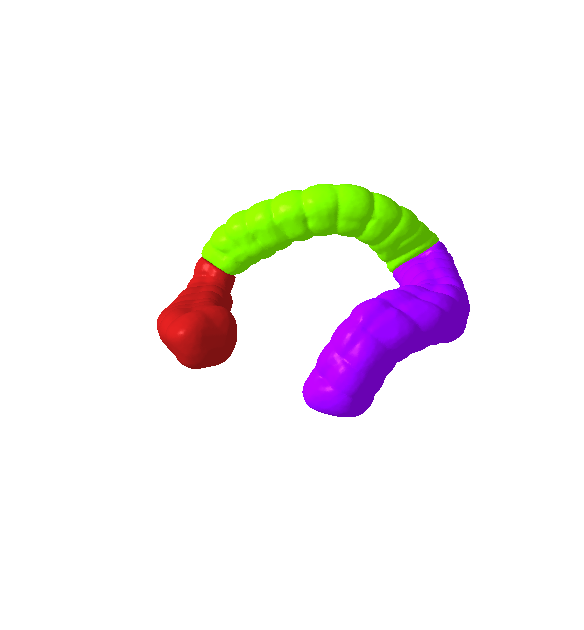
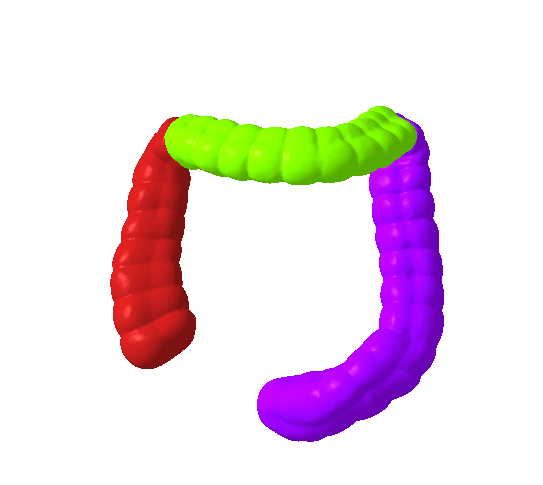
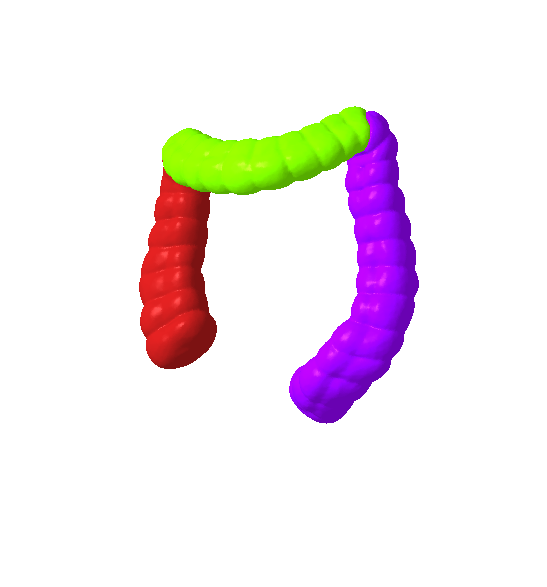
3 Separate parts file and one assembly file
The colon is approximately 1.5 meters (5 feet) long in adults and is characterized by its larger diameter compared to the small intestine, as well as the presence of haustra (sacculations or pouches), taeniae coli (three longitudinal bands of smooth muscle), and omental appendices (small, fat-filled pouches of peritoneum).
Functionally, the colon primarily absorbs water and electrolytes from the remaining indigestible food matter, forming solid feces, and serves as a habitat for a vast array of gut microbiota that perform crucial fermentation processes.
The colon is traditionally divided into four main segments:
Ascending Colon:
Location: Begins at the cecum in the lower right abdomen and ascends vertically on the right side of the abdominal cavity.
Features: It is largely retroperitoneal, meaning it is fixed to the posterior abdominal wall, limiting its mobility.
Function: Primarily involved in initial water and electrolyte absorption.
Transverse Colon:
Location: Extends horizontally across the upper abdomen, from the right colic (hepatic) flexure (near the liver) to the left colic (splenic) flexure (near the spleen).
Features: It is typically the most mobile part of the colon because it is suspended by a mesentery called the transverse mesocolon, making it intraperitoneal. Its position can vary.
Function: Continues water and electrolyte absorption and acts as a reservoir for fecal matter.
Descending Colon:
Location: Extends downwards on the left side of the abdominal cavity, from the left colic flexure towards the pelvis.
Features: Similar to the ascending colon, it is largely retroperitoneal and relatively fixed.
Function: Primarily involved in the storage and compaction of feces.
Sigmoid Colon:
Location: The S-shaped segment that connects the descending colon to the rectum. It typically begins at the left iliac crest and extends into the pelvis.
Features: It is highly mobile due to its own mesentery, the sigmoid mesocolon. Its characteristic "S" shape allows for flexibility.
Function: Stores feces and propels them towards the rectum during defecation. Its mobility allows for distention during fecal accumulation.
Clinical Significance of Colon Segments:
Understanding each segment is critical for diagnosing and treating various conditions:
Appendicitis: Involves the appendix, which projects from the cecum.
Diverticulosis/Diverticulitis: Most commonly affects the sigmoid colon due to higher intraluminal pressure.
Colorectal Cancer: Can occur in any segment, with varying prevalence and surgical approaches depending on the location. Screening tests like colonoscopy examine all segments.
Inflammatory Bowel Disease (IBD): Conditions like Crohn's disease and ulcerative colitis can affect different segments of the colon with distinct patterns.
Volvulus: Twisting of a loop of bowel around its mesentery, often occurring in mobile segments like the sigmoid colon.#ColonSegment #LargeIntestine #HumanAnatomy #DigestiveSystem #GastrointestinalTract #AscendingColon #TransverseColon #DescendingColon #SigmoidColon #Cecum #Rectum #GutHealth #BowelHealth #Gastroenterology #ColonHealth #DigestiveWellness #AnatomyAndPhysiology #MedicalEducation #GIAnatomy #Colorectal #IntestinalFunction #Haustra #TaeniaeColi #OmentalAppendices #Mesentery #Retroperitoneal #Intraperitoneal #BowelMotility #FecalCompaction #WaterAbsorption #ElectrolyteBalance #GutMicrobiome #ColorectalCancer #IBD #Diverticulitis #Appendicitis #Volvulus #SurgicalAnatomy #ClinicalGastroenterology #Endoscopy #Colonoscopy #HealthAndWellness #AbdominalAnatomy #DigestiveDisease #BodySystems #HumanBody #AnatomicalDivision #MedicalScience #Physiology #GutWellness



:format(webp)/https://fbi.cults3d.com/uploaders/37864523/illustration-file/6825bd51-4f32-4c74-ad61-e6982ca824c7/Gif.gif)