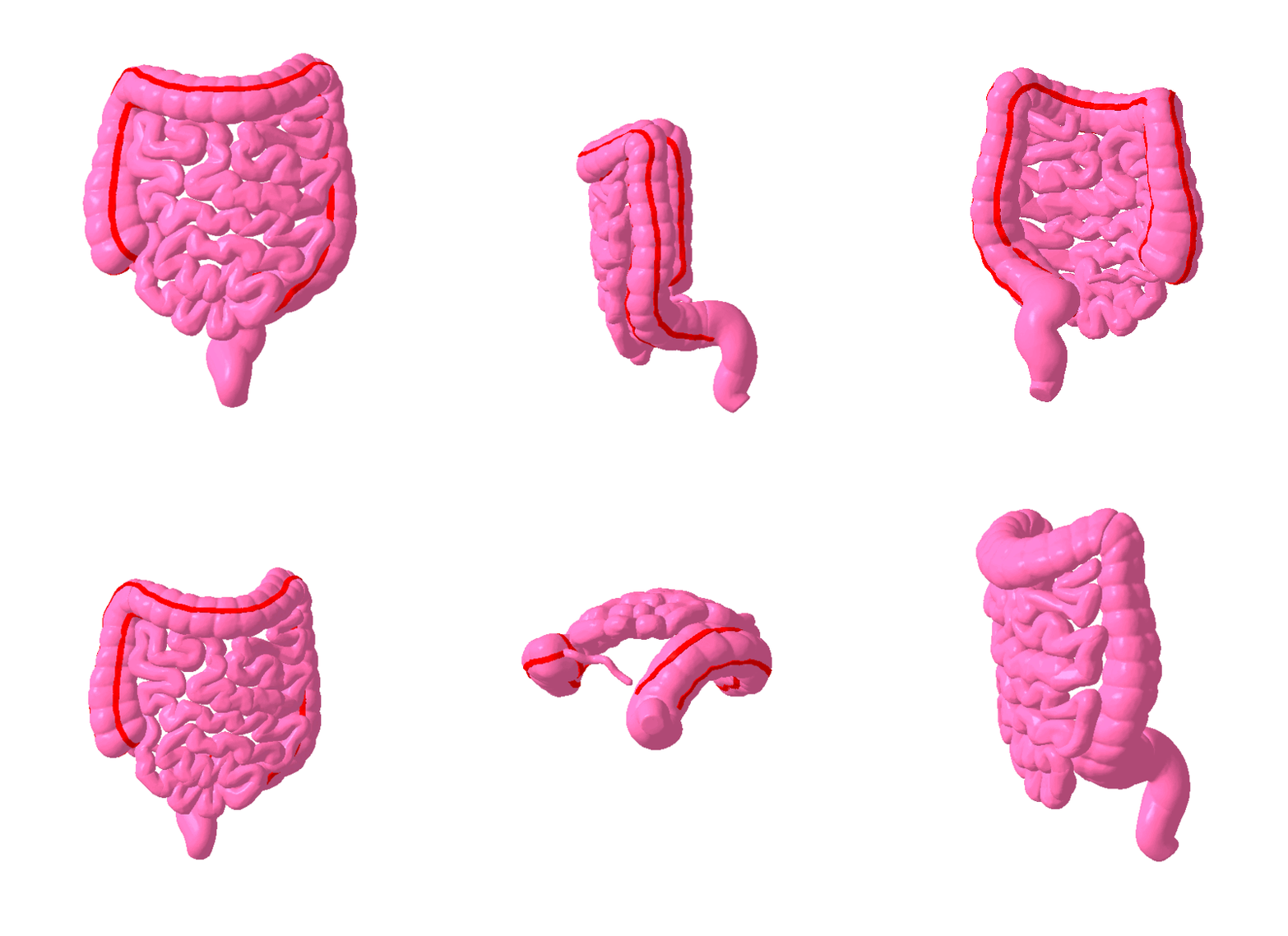
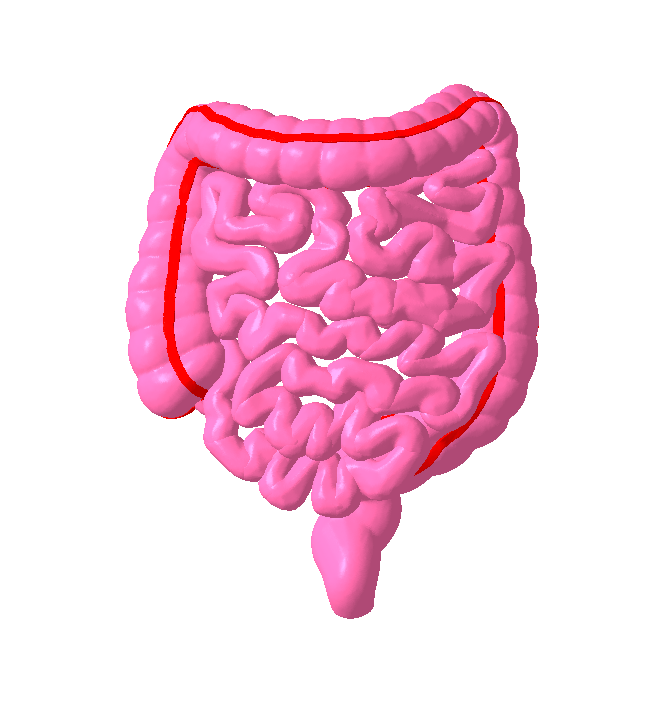
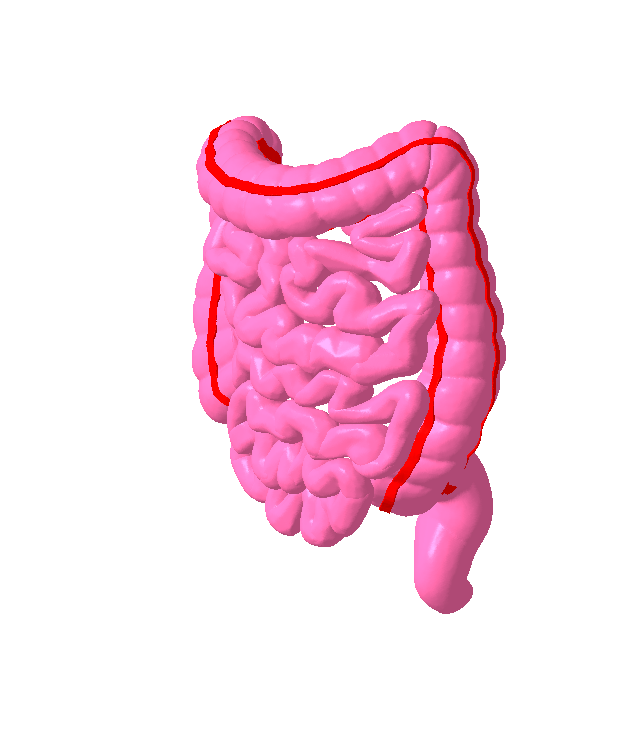
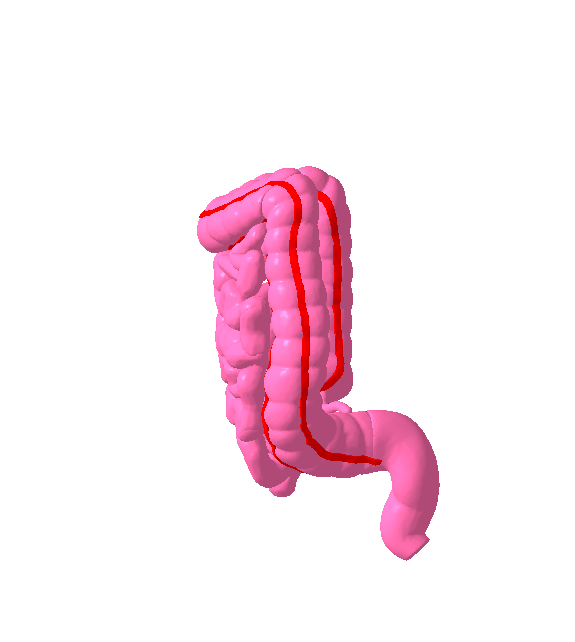
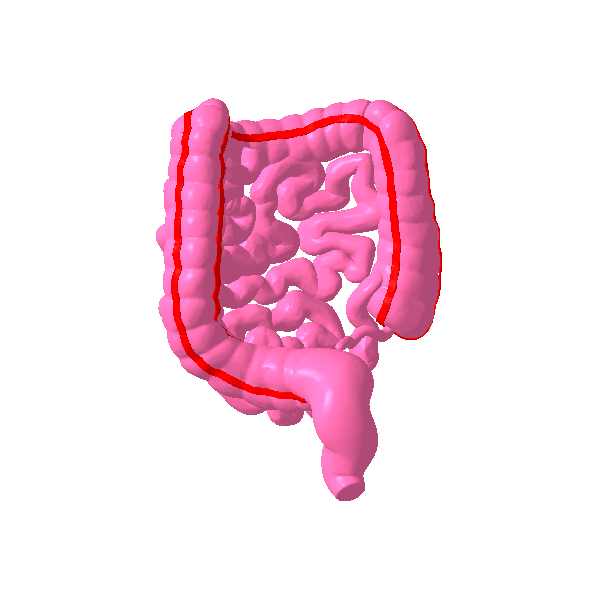
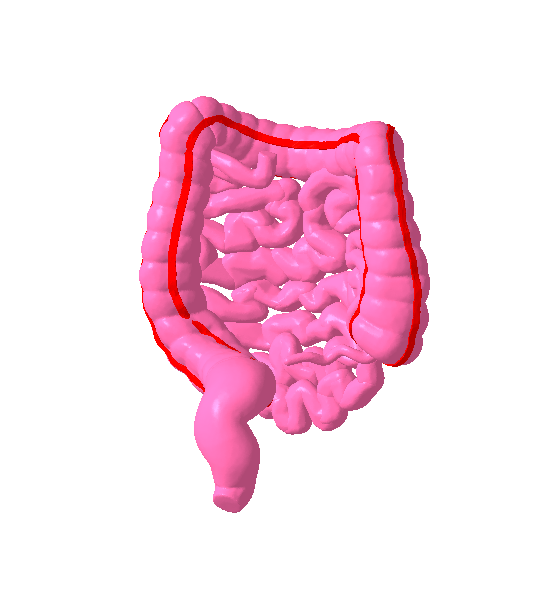
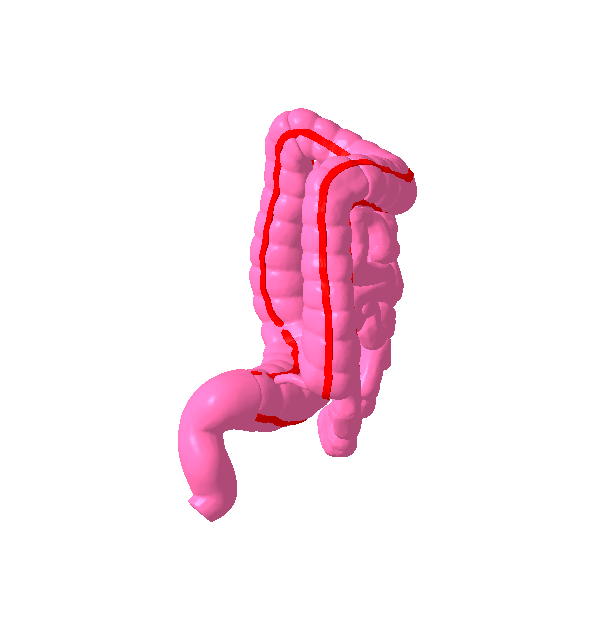
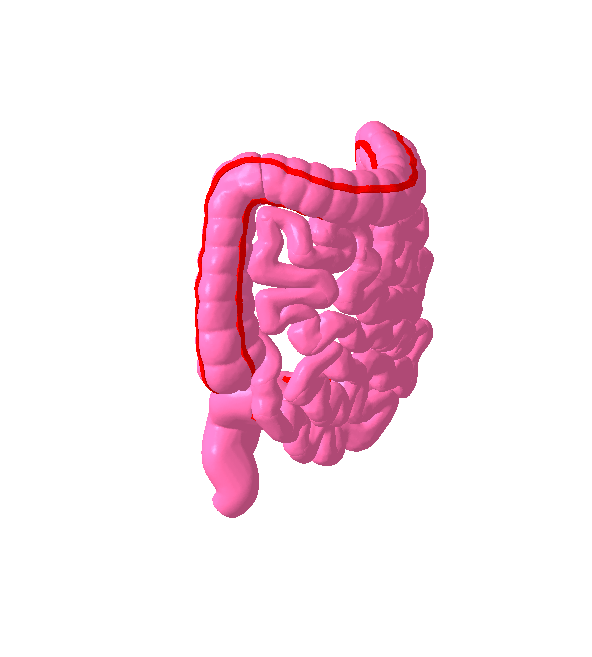
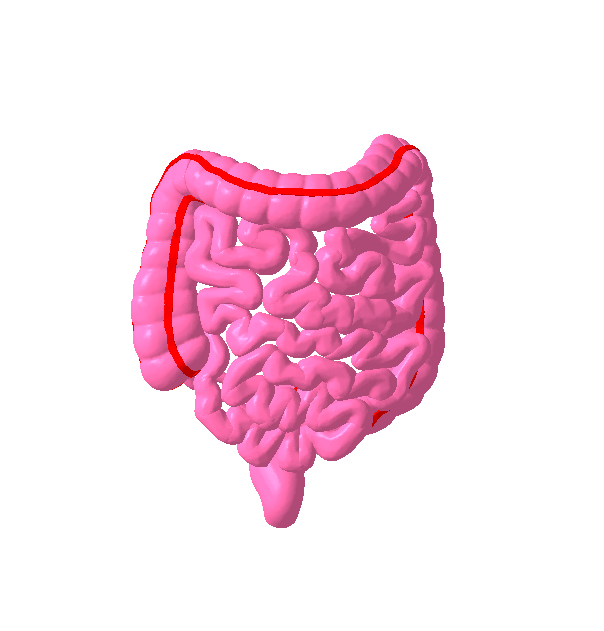
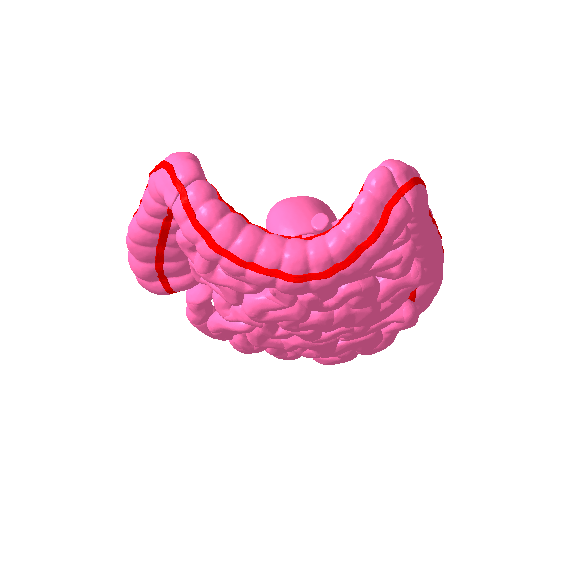
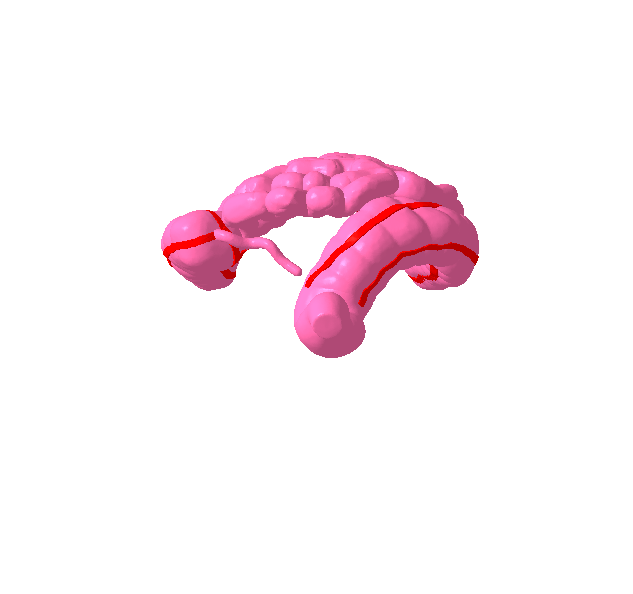
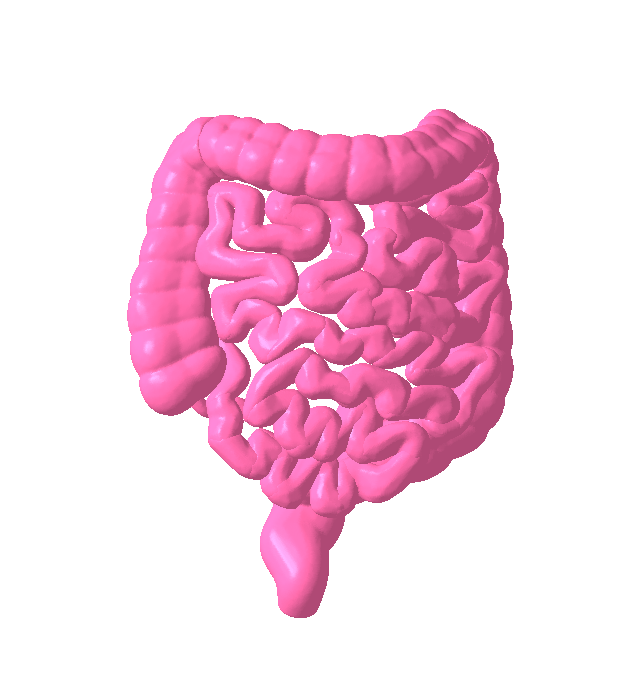
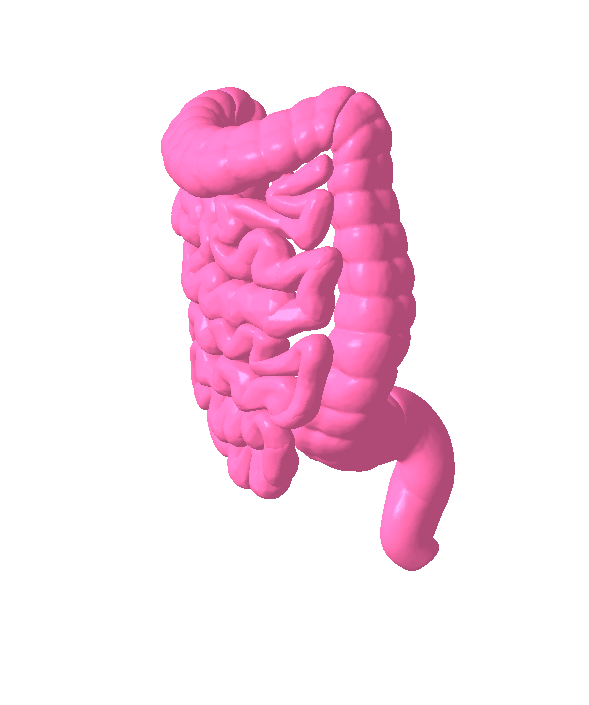
This is high detailed segmented model.
Size 50 MB + 313 MB + 213 MB without zip.
With Taenia one file and without Taenia 2 files in low and high details.
The lower gastrointestinal (GI) tract is the latter portion of the digestive system, extending from the end of the small intestine through the large intestine and ending at the anus. Its primary roles are to complete the digestion and absorption of nutrients, absorb water and electrolytes, form and store feces, and ultimately eliminate waste from the body.
It primarily consists of the following major components:
Small Intestine (though anatomically begins in upper GI, its latter part functions significantly in nutrient absorption that continues into lower GI context): While the duodenum and jejunum (first two parts) are often considered part of the upper GI, the ileum (the final and longest segment of the small intestine) is functionally linked to the lower GI tract as it leads directly into the large intestine. Its main function is the absorption of vitamin B12, bile salts, and any remaining nutrients not absorbed in the jejunum.
Large Intestine (Colon): This is the main component of the lower GI tract and is considerably wider than the small intestine, though shorter in length. It is divided into several parts:
Cecum: A pouch-like beginning of the large intestine, located in the lower right abdomen. The appendix (a small, finger-shaped pouch) projects from the cecum.
Ascending Colon: Travels upwards on the right side of the abdomen.
Transverse Colon: Extends horizontally across the upper abdomen.
Descending Colon: Travels downwards on the left side of the abdomen.
Sigmoid Colon: An S-shaped portion that connects the descending colon to the rectum.
Functions of the Large Intestine:
Water and Electrolyte Absorption: This is its most critical role, converting liquid chyme into solid feces.
Bacterial Fermentation: Houses a vast population of gut microbiota that ferment indigestible carbohydrates (fiber), producing vitamins (like vitamin K and some B vitamins) and short-chain fatty acids.
Feces Formation and Storage: Compacts and stores waste material until defecation.
Rectum: The final straight portion of the large intestine, connecting the sigmoid colon to the anal canal. It stores feces temporarily before elimination.
Anal Canal: The terminal part of the large intestine, through which feces are expelled from the body. It contains the internal and external anal sphincters, which control the passage of stool.
Overall Functions of the Lower GI Tract:
Completion of Digestion and Absorption: Finishes absorbing any remaining nutrients, particularly in the ileum.
Water and Electrolyte Homeostasis: Crucial for maintaining the body's fluid balance.
Waste Management: Forms, stores, and eliminates indigestible food residues, bacteria, and dead cells as feces.
Immune Function: The extensive lymphatic tissue (like Peyer's patches in the ileum and lymphoid follicles throughout the colon) plays a significant role in the body's immune defense.
Microbiome Support: Provides a hospitable environment for the vast and diverse gut microbiome, which is vital for digestion, vitamin synthesis, and immune regulation.#LowerGITract #GastrointestinalTract #DigestiveSystem #Colon #LargeIntestine #Rectum #Anus #GutHealth #IntestinalHealth #DigestiveHealth #GIHealth #Gastroenterology #DigestiveWellness #BowelHealth #HumanAnatomy #GIAnatomy #GutMicrobiome #DigestiveCare #ColonHealth #BowelMovement #Feces #Digestion #Absorption #Elimination #GutFlora #HealthyGut #GIWellness #MedicalScience #AnatomyAndPhysiology #Gastroenterologist #Colorectal #IntestinalFunction #DigestiveDisorders #IBS #CrohnsDisease #UlcerativeColitis #Diverticulitis #ColorectalCancer #Appendicitis #GutFeeling #Wellness #Health #MedicalEducation #AnatomyStudy #BodySystems #DigestiveAid #NutrientAbsorption #Excretion #HumanBody



:format(webp)/https://fbi.cults3d.com/uploaders/37864523/illustration-file/6825bd51-4f32-4c74-ad61-e6982ca824c7/Gif.gif)