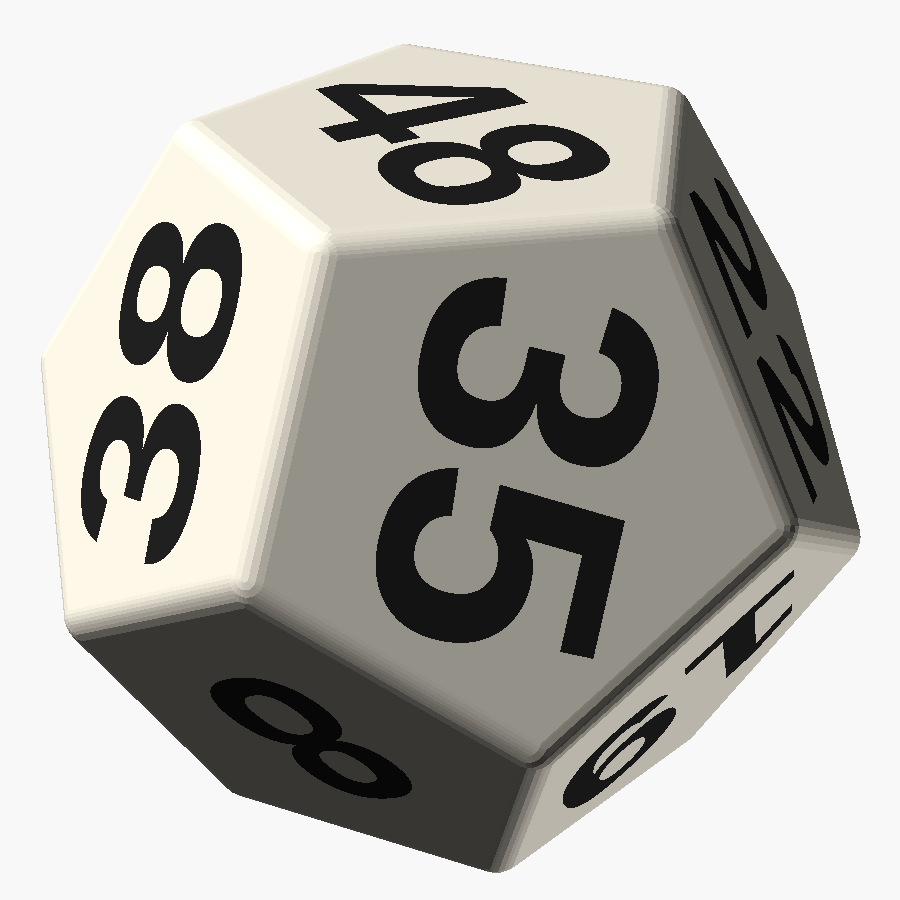
Go-first dice — four d12 that settle the whole turn order in one fair roll
:format(webp)/https://fbi.cults3d.com/uploaders/49531410/illustration-file/4268c7c6-2f4b-4b3f-b07a-b9d6ce067d5d/9kxbqv.jpg)
/https://preview3d-images.cults3d.com/cqpsizufmb8e1dkmo1ab63lsowqf)
/https://preview3d-images.cults3d.com/69e04wbp3k3572orlw8ve7whdlui)
/https://preview3d-images.cults3d.com/seql3v1qtrh151oy6ax1ps7aisr6)
/https://preview3d-images.cults3d.com/nina70sr2fhn4j90cucq21pr447y)
/https://preview3d-images.cults3d.com/czi18t2cxvslssp2dmb3w7dc3zrz)
/https://preview3d-images.cults3d.com/yyz3h2t6ljn47vy7g6kxx5oyzyua)
/https://preview3d-images.cults3d.com/ccs9wavsobd66by3bx3pclazjn05)
/https://preview3d-images.cults3d.com/qrrqcf8o3czq0de4xoemkdx2zen6)
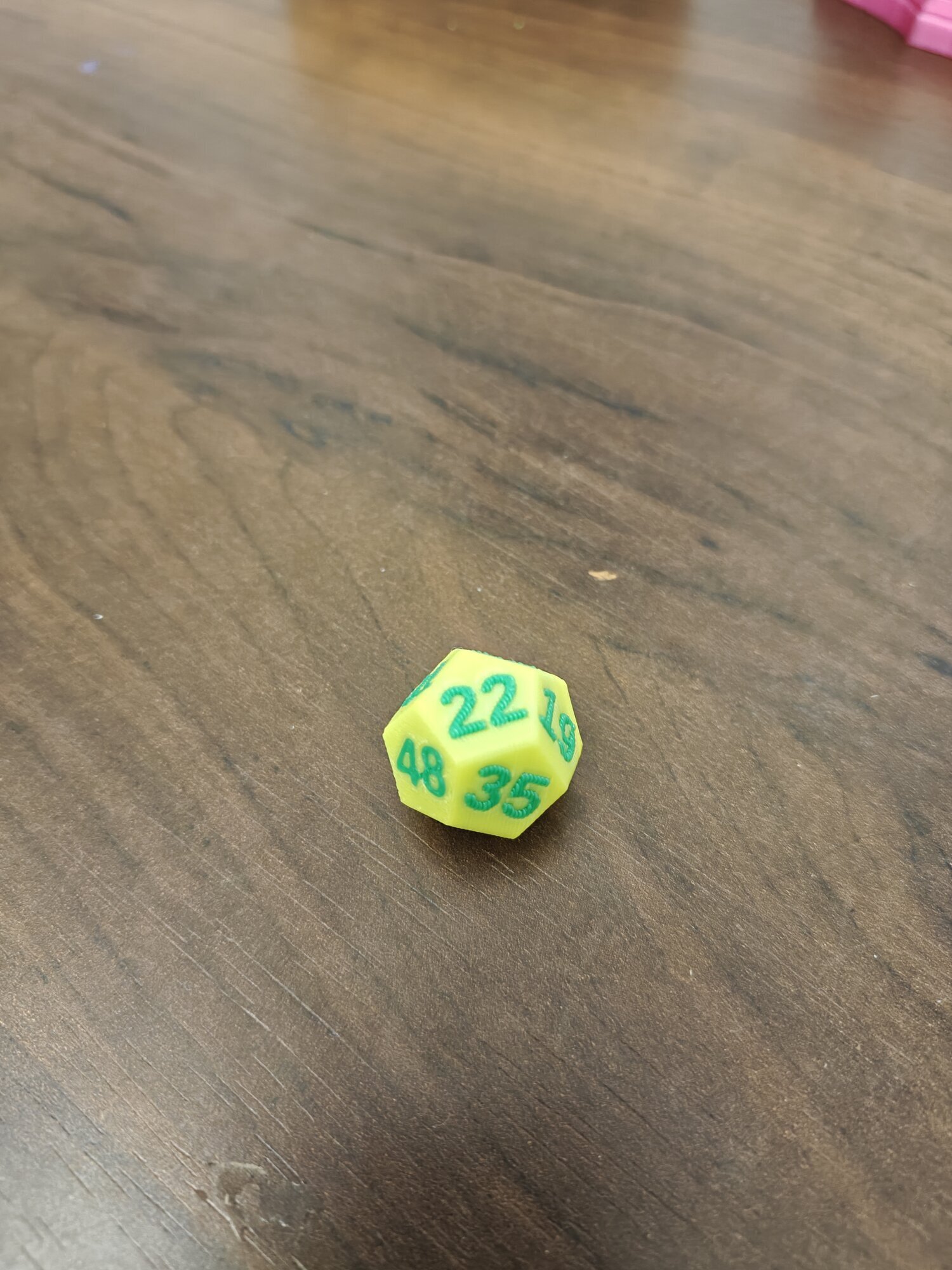
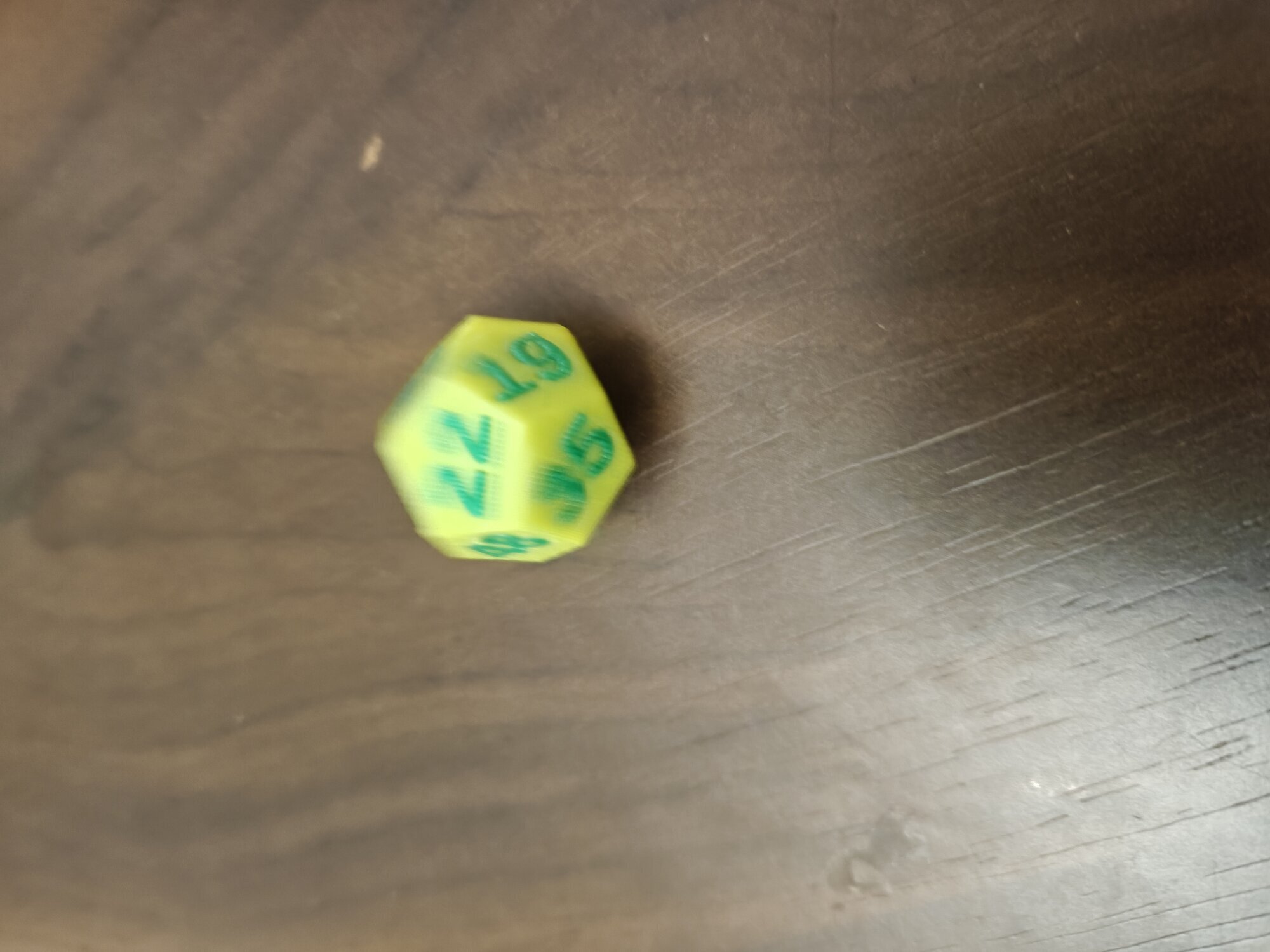
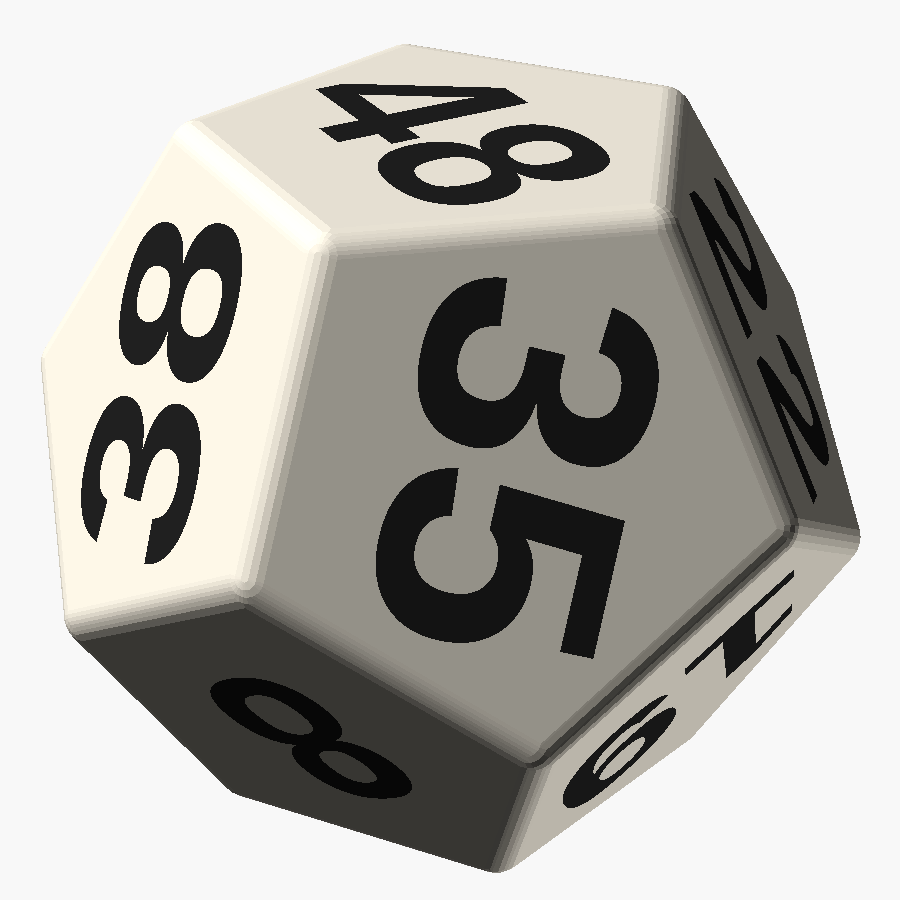
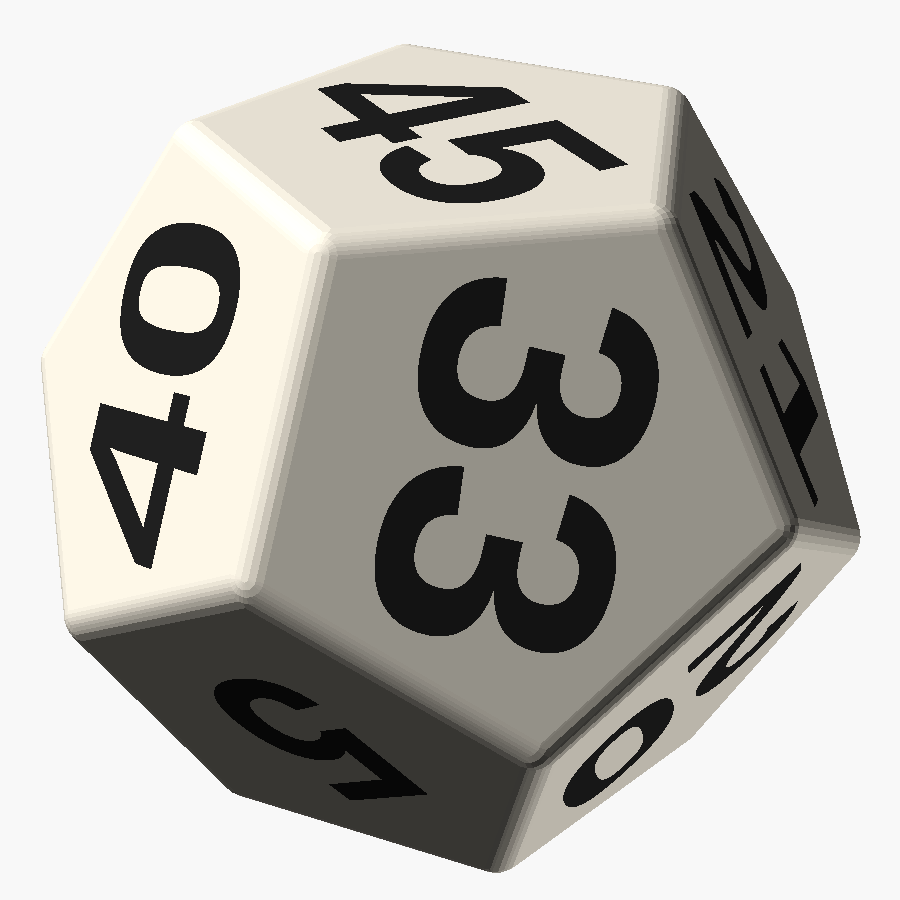
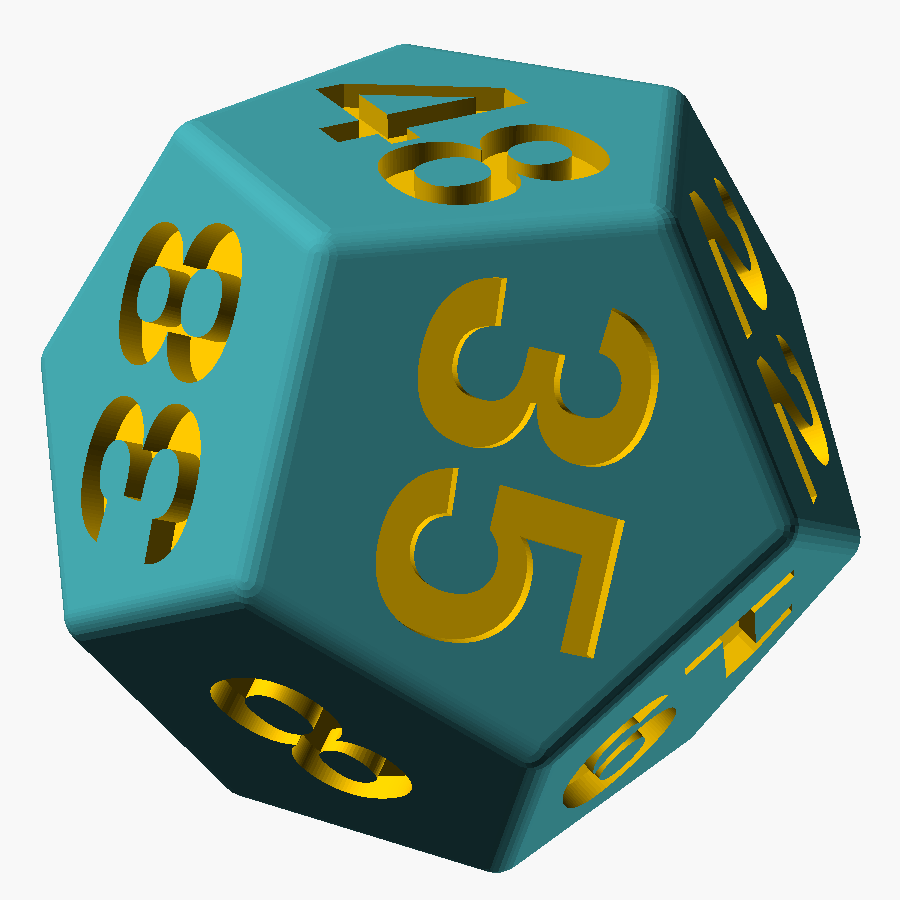
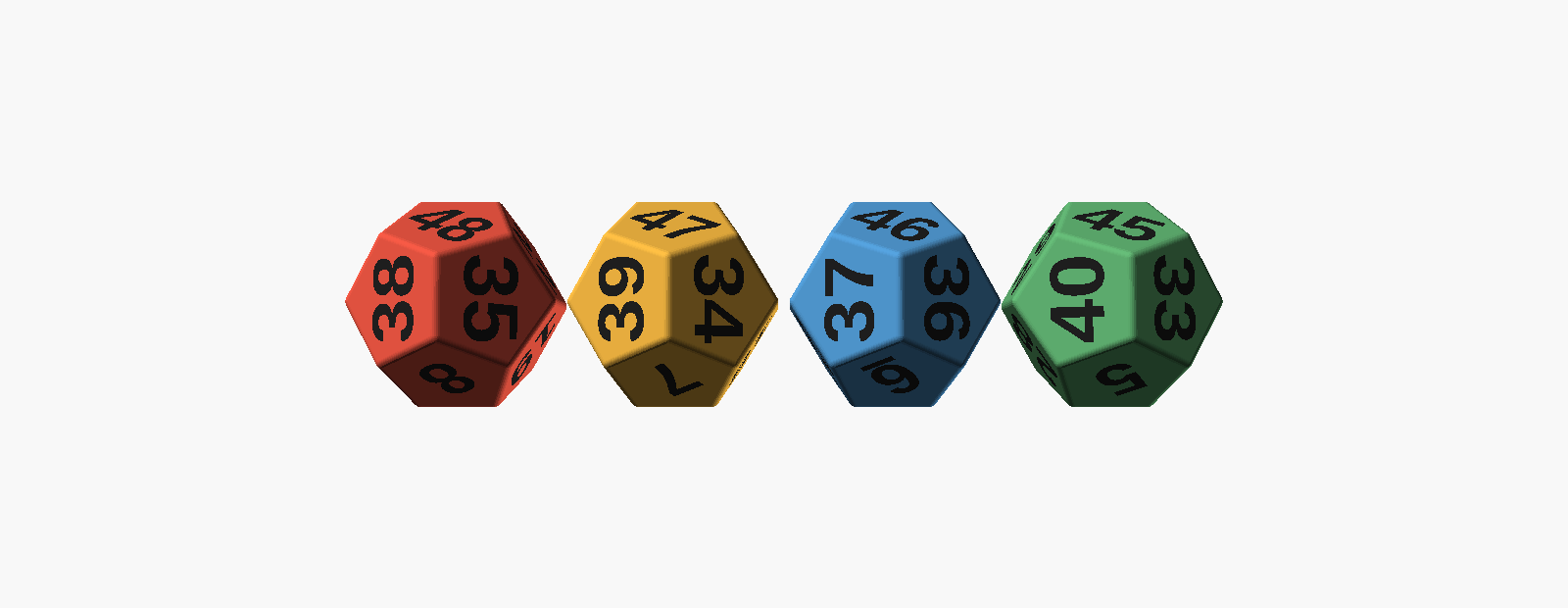
/https://preview3d-images.cults3d.com/8cb51fbhm5ae2th8wz8l6rcewnyq)
/https://preview3d-images.cults3d.com/kpc0e3s1u5xh2zqbz4pb2h0yqion)
/https://preview3d-images.cults3d.com/mjo80vjc5twfgeslijppmwmumzxb)
/https://preview3d-images.cults3d.com/vywe89m6lkwttmtfneqao1pkshra)
/https://preview3d-images.cults3d.com/ceowdagz15k1659p6gdfxpk558zi)
/https://preview3d-images.cults3d.com/ttlxac5ni7gznlzq3ludl0kga977)
/https://preview3d-images.cults3d.com/s3u0hshlzrk450ec85xtws5j00gg)
/https://preview3d-images.cults3d.com/3soh9ytbnvvvuhtop5gwwmot9e3i)
- 169 виды
- 0 мне нравится
- 5 загрузка
- 0 коллекции
- 0 kомментарий
- 0 makes
| Лицензия | |
|---|---|
| Использование | |
| Формат 3D-проектирования |
8 файлов Закрыть
|
| Дата публикации | |
| Номер конструкции | 4779813 |
| Автор дизайна | Morass |
/https://fbi.cults3d.com/uploads/user/avatar/49531410/morass.jpg "Morass")


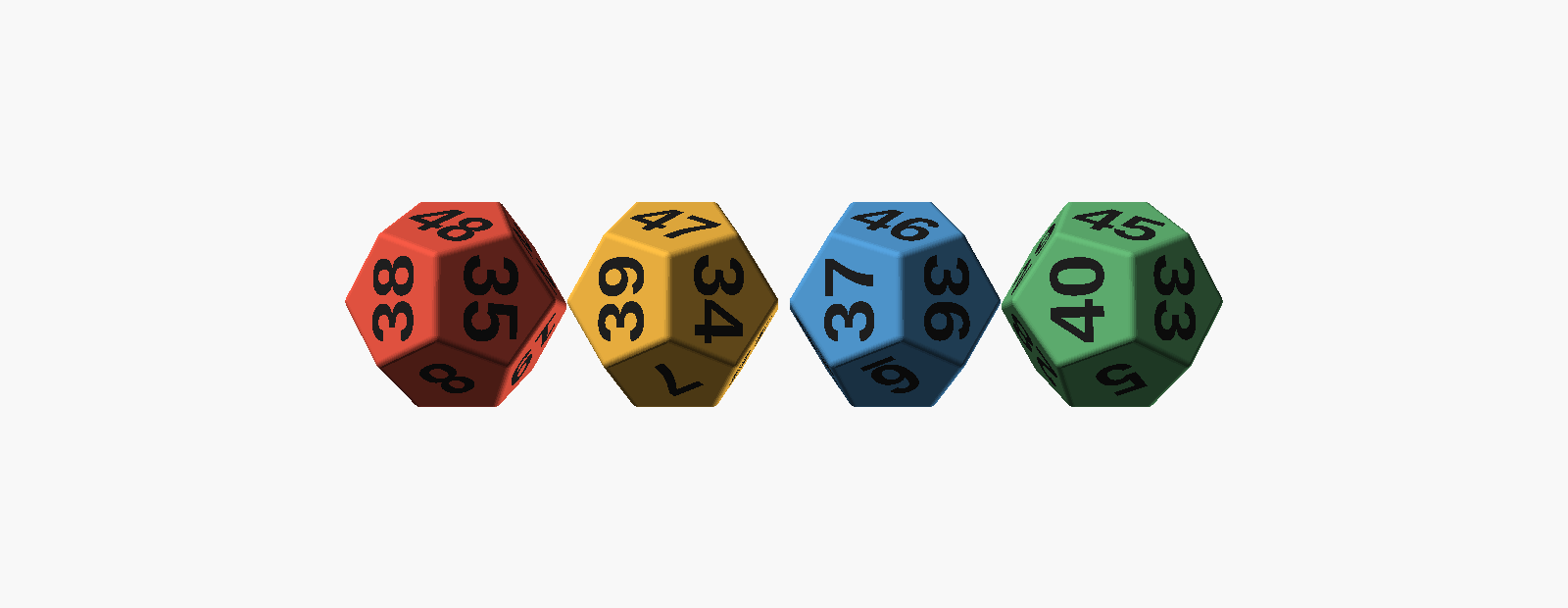
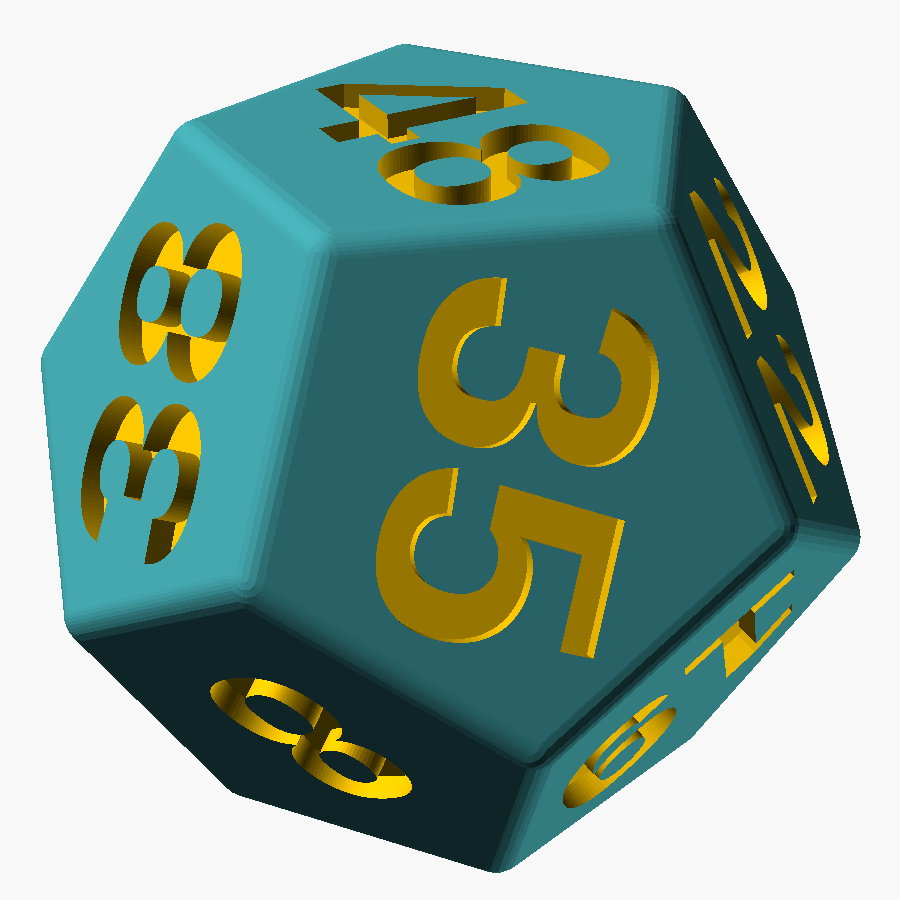
:format(webp)/https://fbi.cults3d.com/uploaders/49531410/illustration-file/6a7ff404-95f5-4c99-bf36-3d542d748961/k6k4sk.jpg)
:format(webp)/https://fbi.cults3d.com/uploaders/49531410/illustration-file/4d01a967-b708-4583-b51b-fda59f786ec5/pzg8mh.jpg)
:format(webp)/https://fbi.cults3d.com/uploaders/49531410/illustration-file/54b68bac-2933-43ed-97df-678f9e5d381b/0mvwgj.jpg)
:format(webp)/https://fbi.cults3d.com/uploaders/49531410/illustration-file/a7567ce1-598f-4449-b6f7-70ff7c2c2996/qmbi0y.jpg)
:format(webp)/https://fbi.cults3d.com/uploaders/49531410/illustration-file/cebc2168-ab8f-4ef8-aa64-3c619b0f2441/cf1aua.jpg)
:format(webp)/https://fbi.cults3d.com/uploaders/49531410/illustration-file/f817587c-075c-4ec2-9594-faa0a553c616/83n4z1.jpg)
:format(webp)/https://fbi.cults3d.com/uploaders/49531410/illustration-file/a7312001-f60a-4c89-a3b7-96afc7a2e492/fihkct.jpg)
:format(webp)/https://fbi.cults3d.com/uploaders/49531410/illustration-file/3641943d-30e2-4d9f-86ec-0afcb93ee0f4/eq55i6.jpg)
Вы хотите поддержать Cults?
Вам нравятся Cults и вы хотите помочь нам продолжить наш путь самостоятельно? Обратите внимание, что мы — маленькая команда из 4 человек, поэтому поддержать нас в поддержании деятельности и создании будущих разработок очень просто. Вот 3 решения, доступные для всех:
- РЕКЛАМА: Отключите блокировщик рекламы.
- ДОНАТЫ: сделать пожертвование через Ko-Fi здесь Отправить донат
- ПРИГЛАШЕНИЕ ДРУЗЕЙ: Приглашайте своих друзей, откройте для себя платформу и великолепные 3D-файлы, которыми делится сообщество!
Обмен и загрузка на Cults3D гарантирует, что дизайны остаются в руках сообщества создателей! А не в руках гигантов 3D-печати или программного обеспечения, которые владеют конкурирующими платформами и используют дизайны в своих собственных коммерческих интересах.
Cults3D - это независимый и самофинансируемый сайт, который не подчиняется ни одному инвестору или бренду. Почти все доходы сайта возвращаются создателям платформы. Контент, публикуемый на сайте, служит **только интересам его авторов, а не брендов 3D-принтеров, которые также хотят контролировать рынок 3D-моделирования.