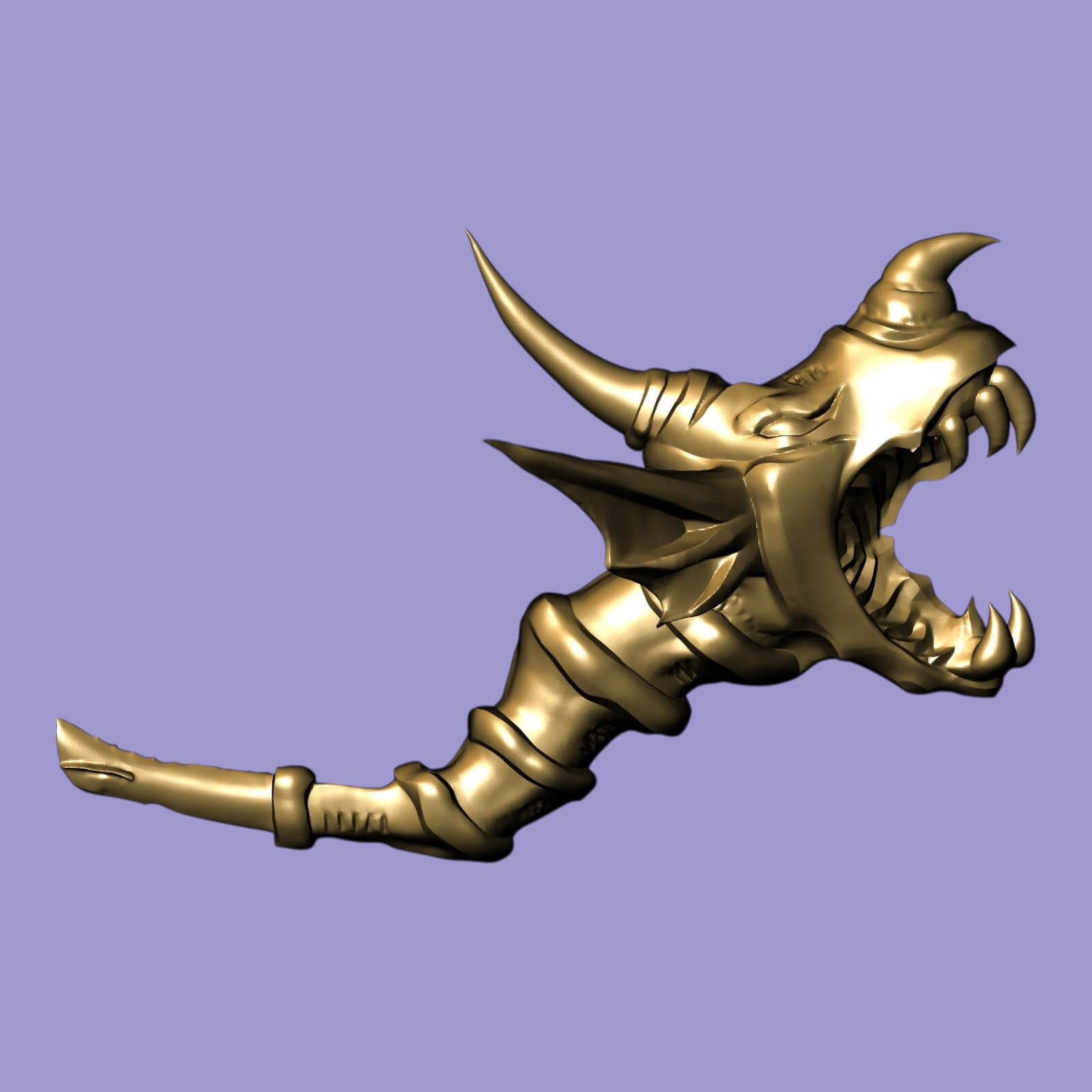
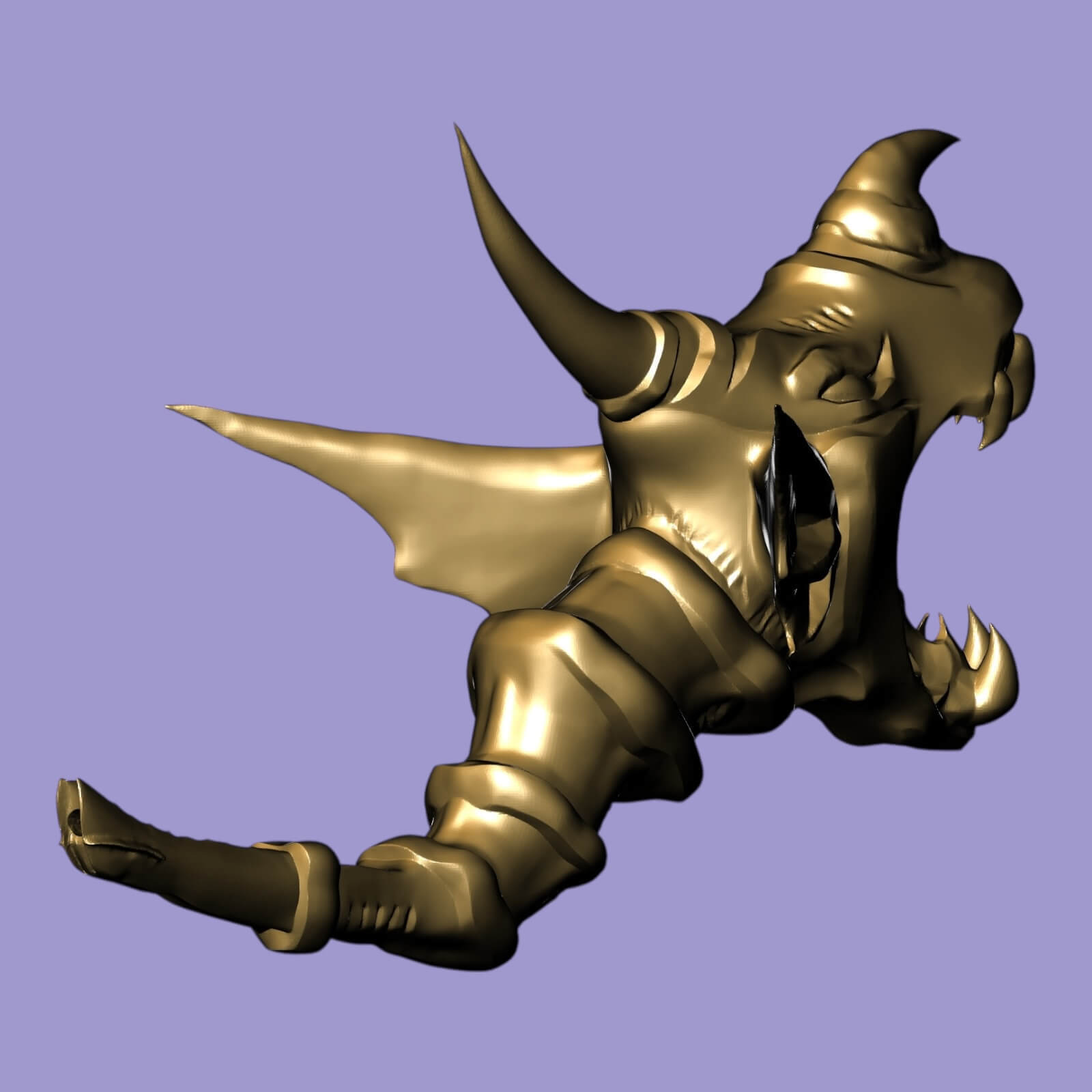
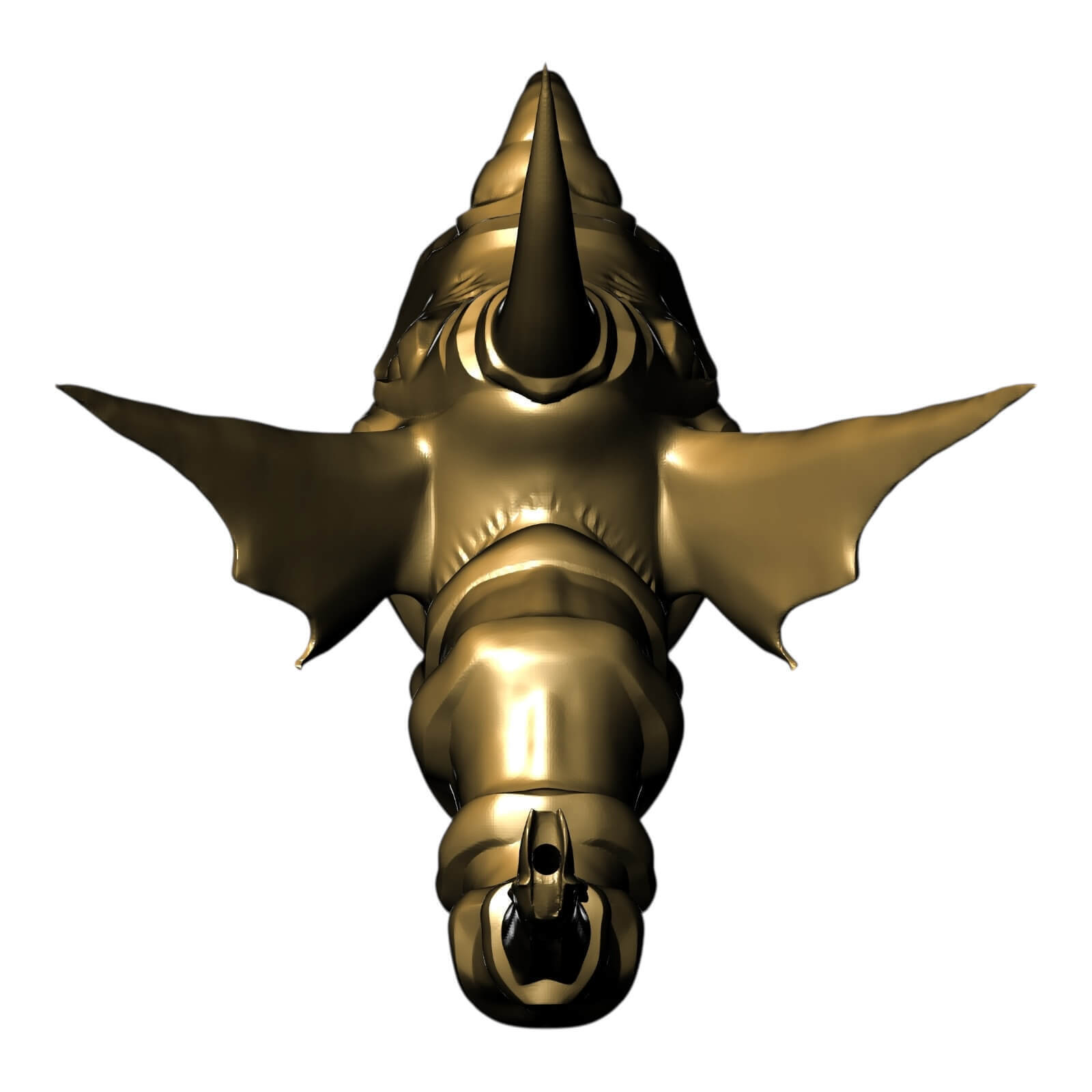
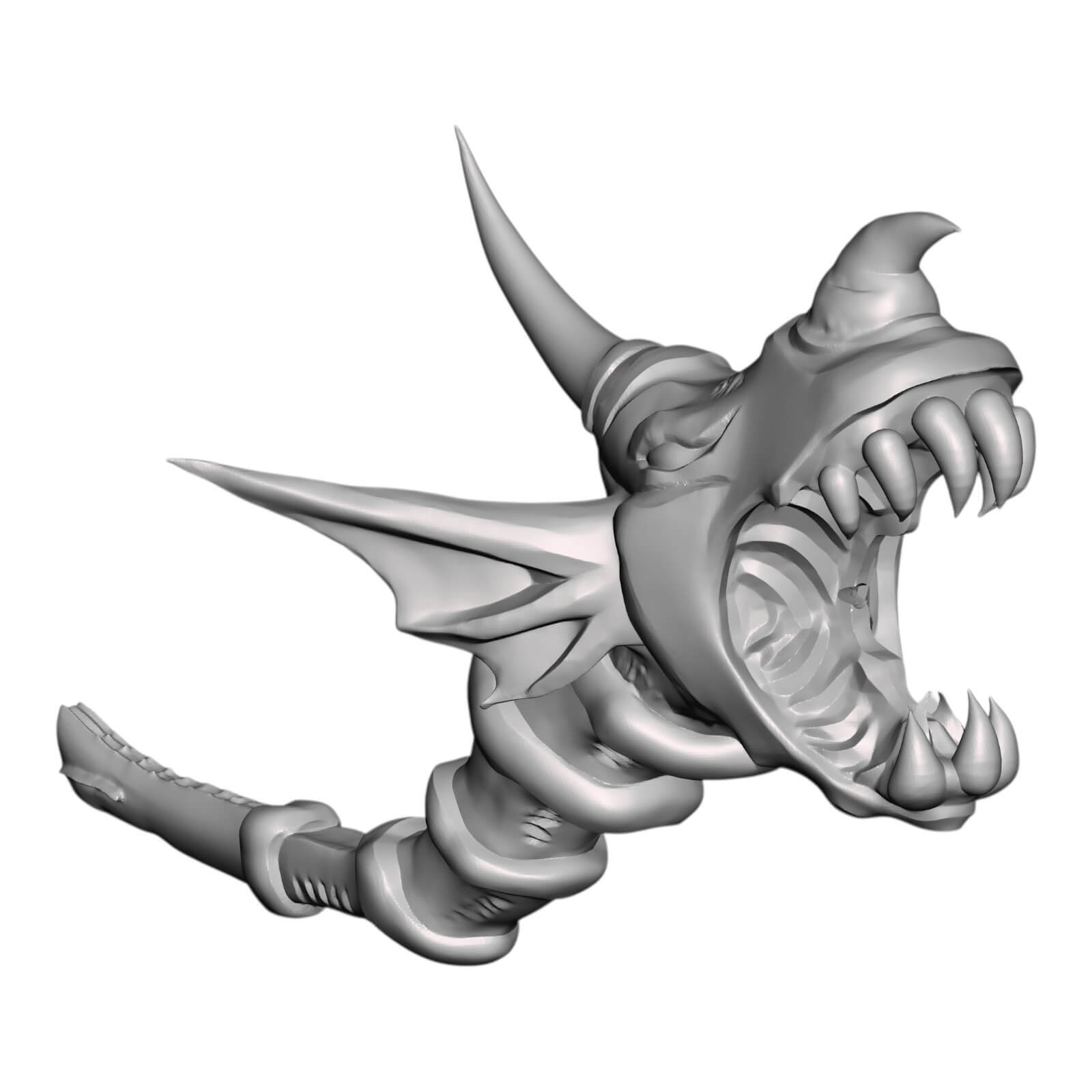
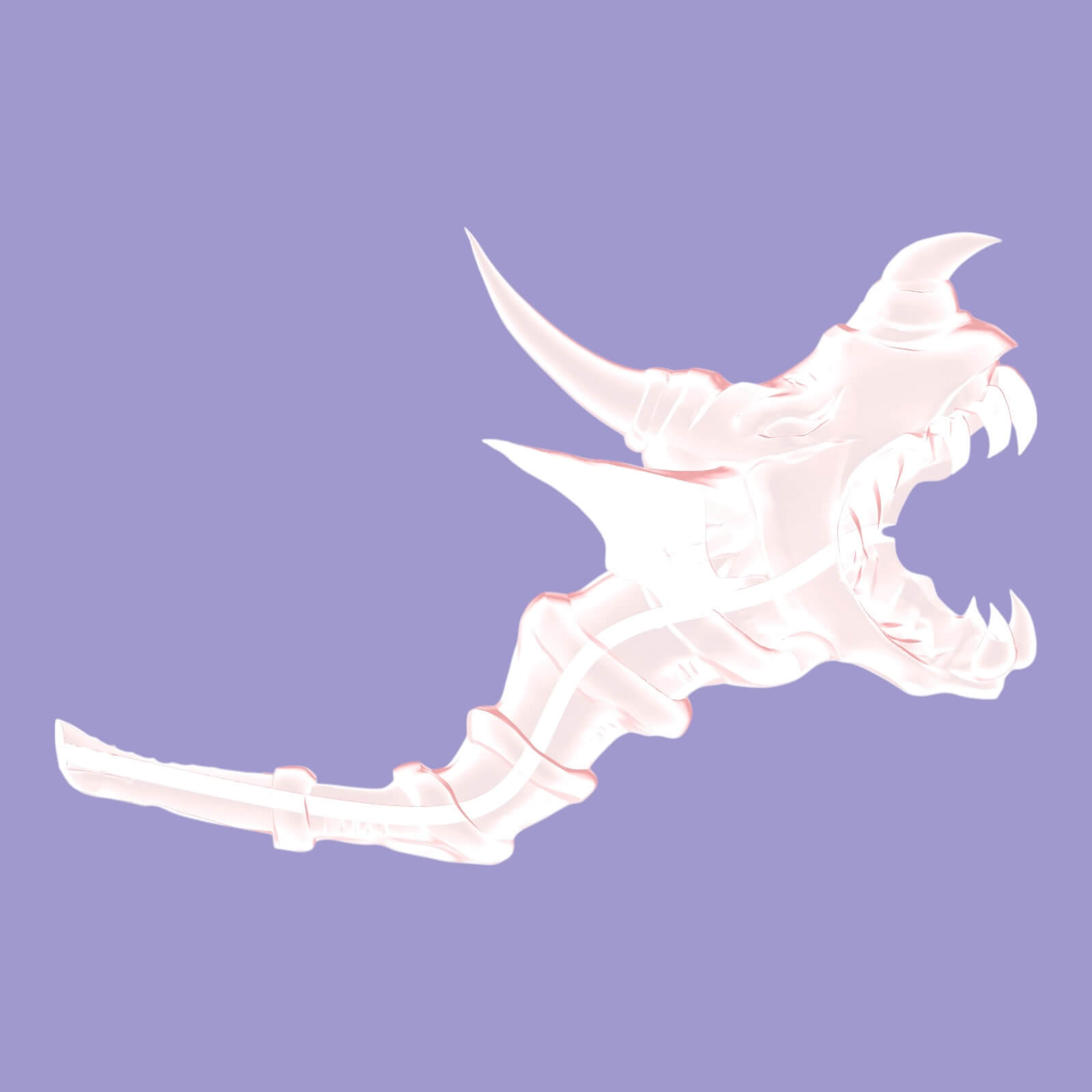
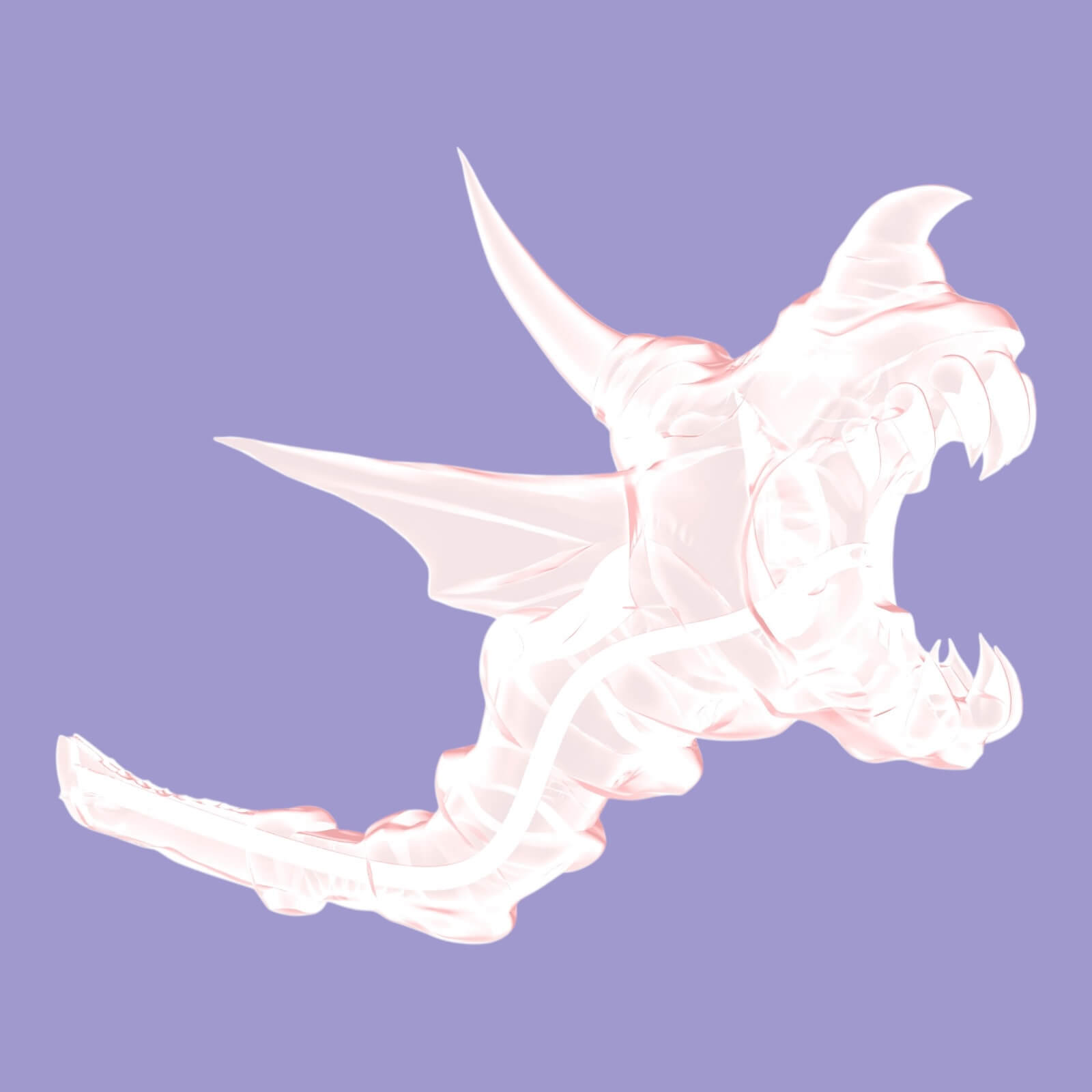
Флейта вызывающего дракона (Yu-Gi-Oh) - 3D печатный реквизит и дисплейная модель
:format(webp)/https://fbi.cults3d.com/uploaders/28472521/illustration-file/3c14e301-cbd8-4040-b754-46b313429a37/flute-of-summoning-dragon-yugioh-3d-print-hero-front.jpeg)

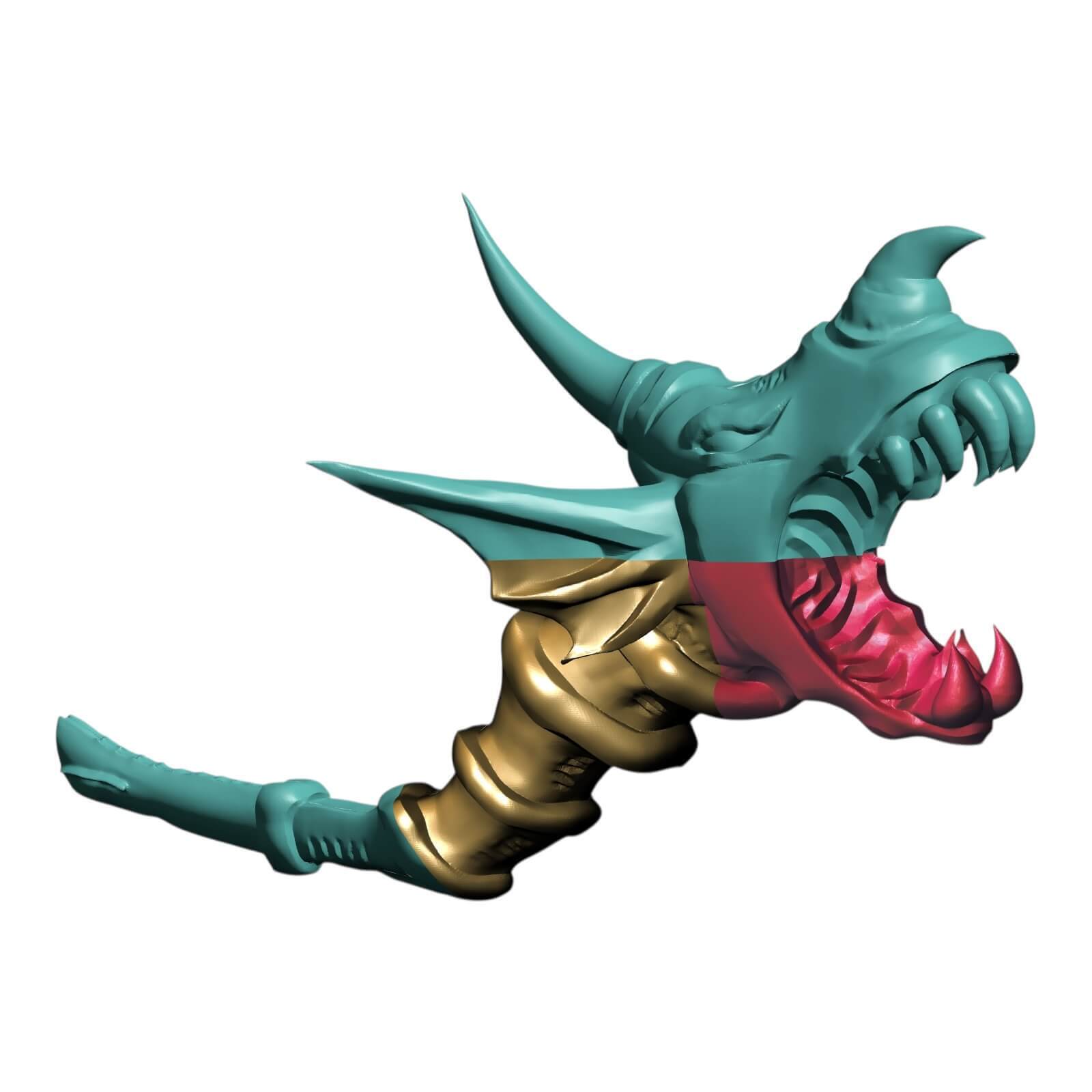
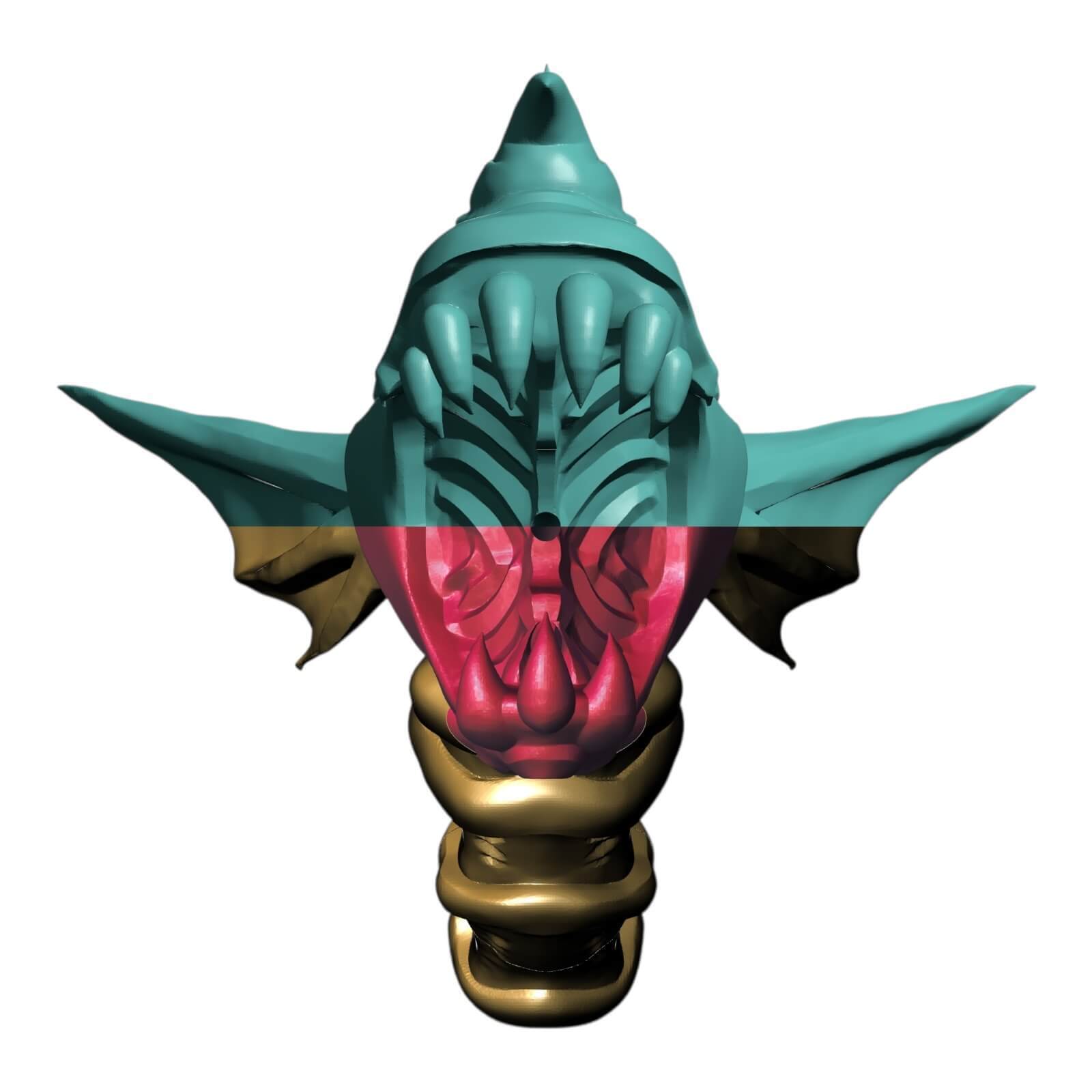
/https://preview3d-images.cults3d.com/0a1xuxbmhzy9cy0bsh4di2f9qun3)
- 175 виды
- 3 мне нравится
- 0 загрузка
- 4 коллекции
- 0 kомментарий
- 0 makes
| Лицензия | |
|---|---|
| Использование | |
| Формат 3D-проектирования |
6 файлов (STL) Закрыть
|
| Дата публикации | |
| Номер конструкции | 3726551 |



:format(webp)/https://fbi.cults3d.com/uploaders/28472521/illustration-file/05d953da-742f-4be8-bfd6-f0a97058015e/3D-Printed-Exodia1.jpg)
:format(webp)/https://fbi.cults3d.com/uploaders/28472521/illustration-file/0e50904e-052a-43ac-8575-1f2c32db3fcb/Beta-The-Magnet-Warrior-3D-Model11.png.png)
:format(webp)/https://fbi.cults3d.com/uploaders/28472521/illustration-file/4b1d4992-e2c9-4174-bfb6-a23c9194a17e/Kuriboh-3D-Model-and-Referances.jpg)
:format(webp)/https://fbi.cults3d.com/uploaders/28472521/illustration-file/5f835e59-372a-4577-959e-14416048ad1c/Winged-Kuriboh-Duel-Monster-3D-Model-and-cartoon.jpg)
:format(webp)/https://fbi.cults3d.com/uploaders/28472521/illustration-file/c6abc76c-7973-48f7-84a6-d4ae61613897/Stay-Lamb-Scape-Goat-YuGiOH-3D-Model8.jpg)
:format(webp)/https://fbi.cults3d.com/uploaders/28472521/illustration-file/75e19fba-f93e-4043-b26e-e7d5a976a0d6/Pot-of-Greed-3D-Printed-Planter.png)
:format(webp)/https://fbi.cults3d.com/uploaders/28472521/illustration-file/07dede96-e337-4ad5-881b-a5f737ea2285/pot_of_avarice_yugioh1.png)
:format(webp)/https://fbi.cults3d.com/uploaders/28472521/illustration-file/67a06e63-771d-410c-9bc4-5b82d739b1e5/seal-of-orichalcos-v2-2.jpg)
Вы хотите поддержать Cults?
Вам нравятся Cults и вы хотите помочь нам продолжить наш путь самостоятельно? Обратите внимание, что мы — маленькая команда из 4 человек, поэтому поддержать нас в поддержании деятельности и создании будущих разработок очень просто. Вот 3 решения, доступные для всех:
- РЕКЛАМА: Отключите блокировщик рекламы.
- ДОНАТЫ: сделать пожертвование через Ko-Fi здесь Отправить донат
- ПРИГЛАШЕНИЕ ДРУЗЕЙ: Приглашайте своих друзей, откройте для себя платформу и великолепные 3D-файлы, которыми делится сообщество!
Обмен и загрузка на Cults3D гарантирует, что дизайны остаются в руках сообщества создателей! А не в руках гигантов 3D-печати или программного обеспечения, которые владеют конкурирующими платформами и используют дизайны в своих собственных коммерческих интересах.
Cults3D - это независимый и самофинансируемый сайт, который не подчиняется ни одному инвестору или бренду. Почти все доходы сайта возвращаются создателям платформы. Контент, публикуемый на сайте, служит **только интересам его авторов, а не брендов 3D-принтеров, которые также хотят контролировать рынок 3D-моделирования.