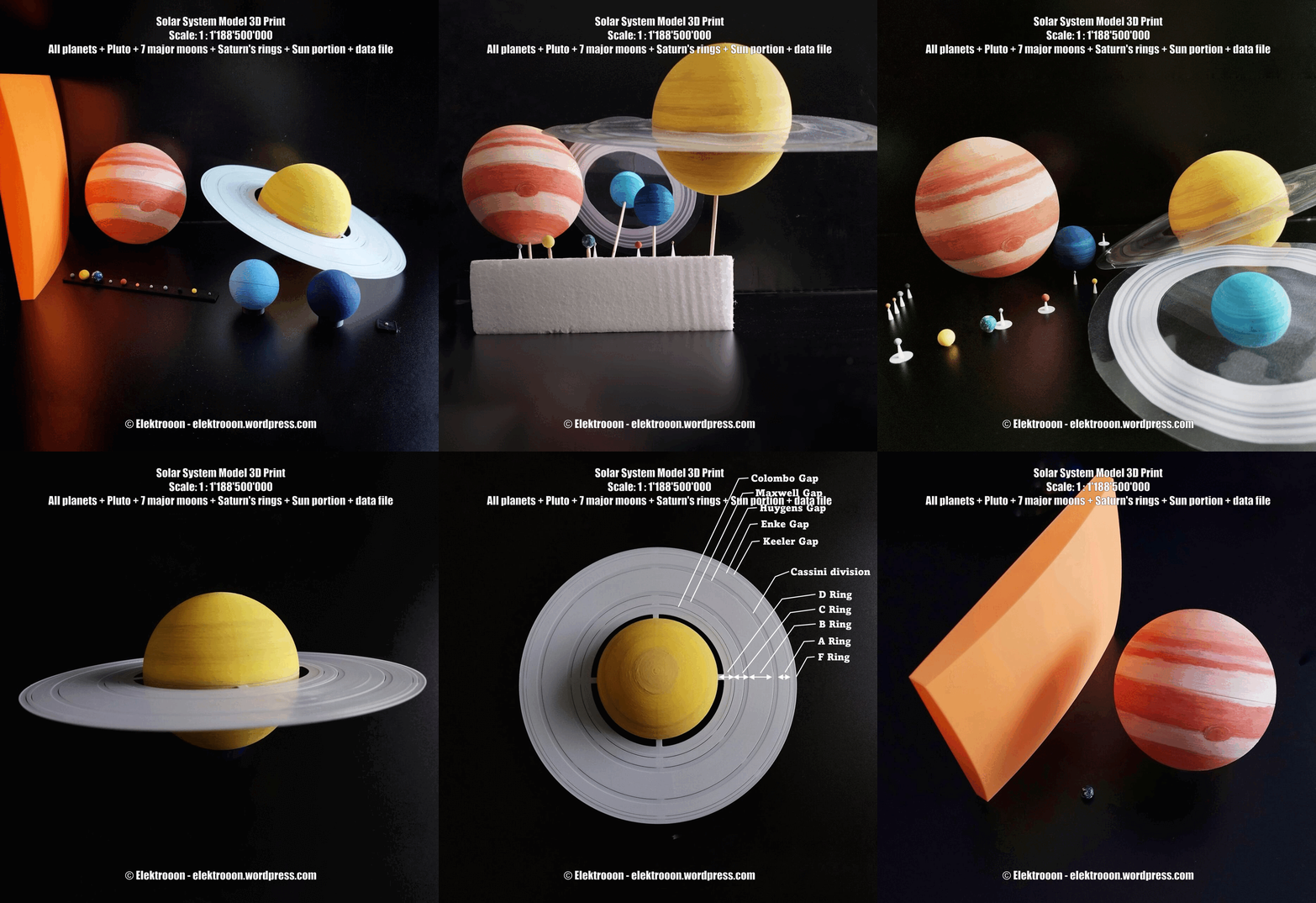
Discover and build our Solar System with this complete 3D-printed 1 : 1'188'500'000 model with the Sun ☀️, Planets, Rings , Moons, Planets stand and a colouring tool!
Contents:
● All 8 Planets of the Solar System (Mercury, Venus, Earth, Mars, Jupiter, Saturn, Uranus, Neptune)
● Pluto (dwarf planet but a must-have 😊)
● 7 major moons: Moon, Callisto, Europa, Ganymede, Io, Titan, Triton
● Saturn's rings in relief and with gaps
● Sun portion in same scale
● Stands for non skewer version of planets and moon
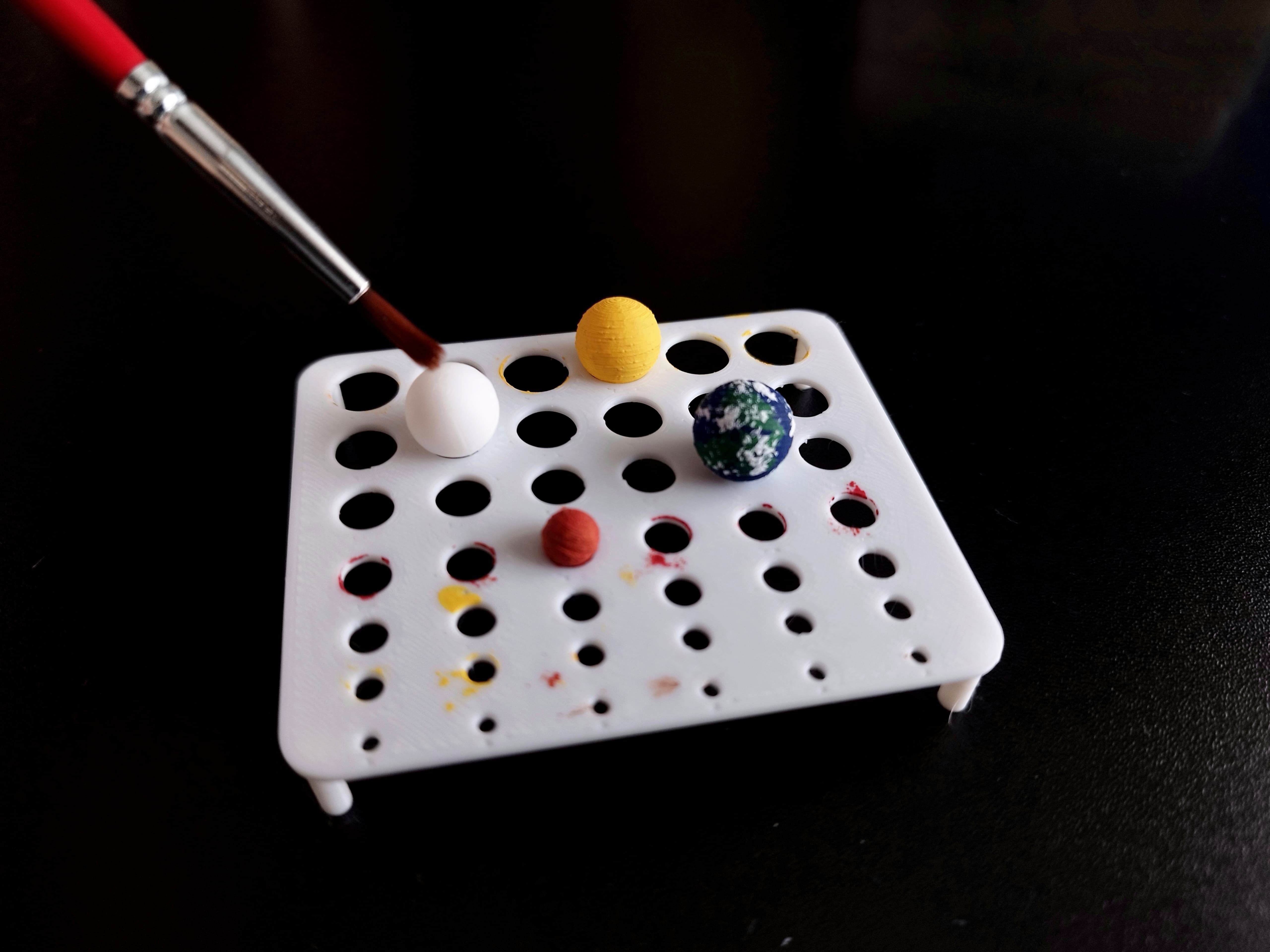
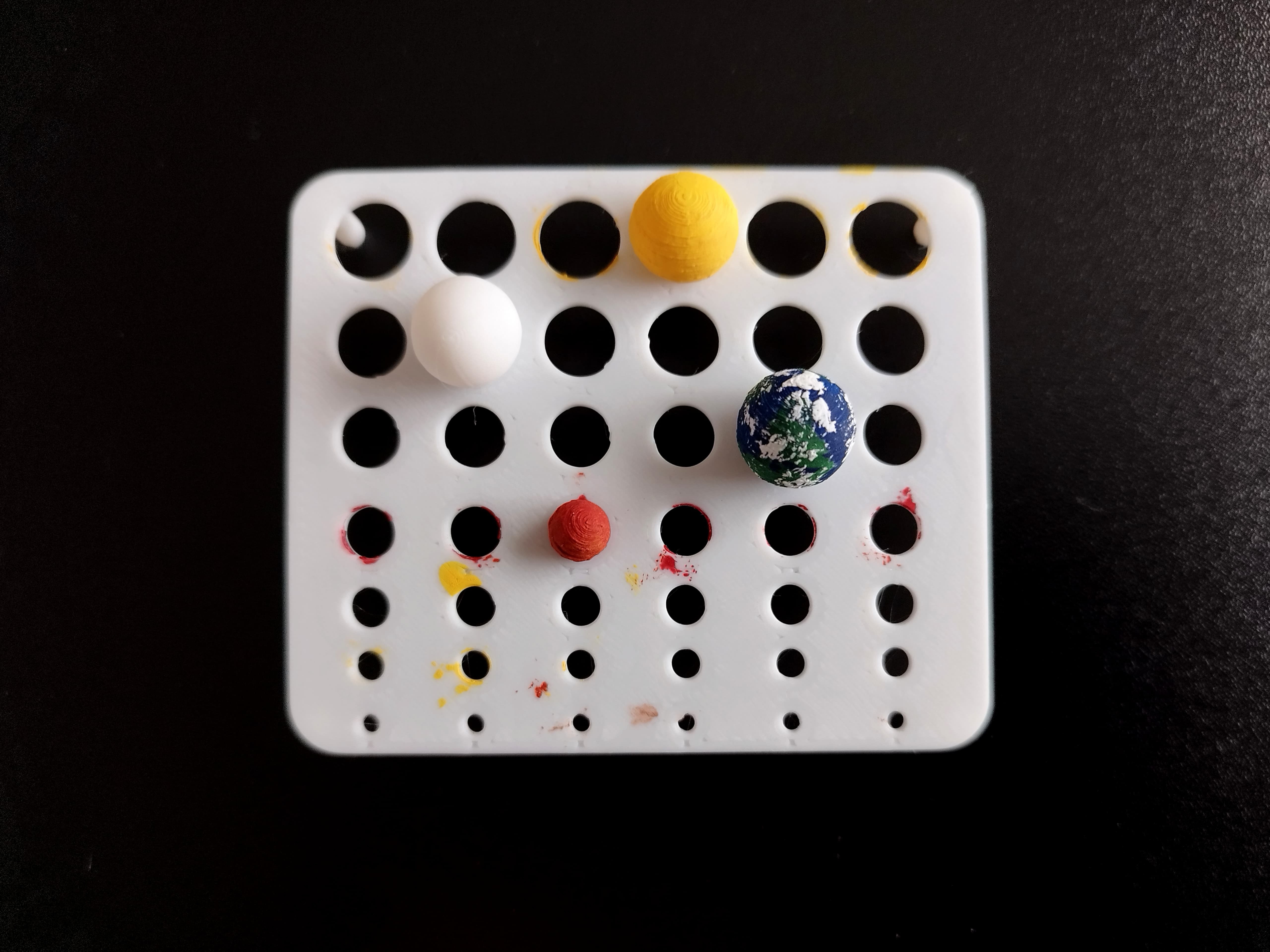
● Tool for colouring and to dry small planets and moons
● Model data with real values and scale in PDF + spreadsheet file
Model scale: linear, 1 : 1'188'500'000 for all parts ensuring accurate representation without excessive material usage
Planetary Data source for the model: NASA's Planetary Fact Sheet data
This model is ideal for:
● Educational purposes
● School projects
● Astronomy lessons as educational tool
● Gift for astronomy enthusiasts and space lovers
● Creative DIY project to do together with family, relatives and friends
● Space-themed bedroom or living room decoration
Method of display and assembly: suitable for display with planets on skewers (in model style as styrofoam balls) or without skewer with included printable stands.
Extras included: datasheet in PDF + editable spreadsheet version in English with actual size and model scale data of all model elements regarding diameter and distance from the Sun with the possibility of calculating customisable distance scales. Data provided in metric and imperial units. A preview of the file can be viewed below in the description.
Model contents in details
All bodies are at a linear scale of 1 : 1'188'500'000 in the form of separated **STL **files and also in 3MF format, in detail this set includes:
● Sun portion of 20 x 20 cm (7.874 x 7.874 inches), thickness about 3 cm (1.18 inches)
● Mercury
● Venus
● Earth (1.07 cm, 0.42 inch ∅ diameter)
● Moon
● Mars
● Jupiter (largest object, 12.03 cm, 4.73 inch ∅ diameter)
● Ganymede
● Callisto
● Europa
● Io
● Saturn + Rings
● Titan
● Uranus
● Neptune
● Triton
● Pluto (smallest object, 0.2 cm, 0.078 inch ∅ diameter)
● Support tool for colouring, texturing and dry small planets and moons
● Circular stand for Jupiter, Saturn, Uranus and Neptune
● Stand for all other planets and moons equipped with holes of a specific diameter to keep the planet or moon in place. The order of the planets and moons position is as follows: Mercury, Venus, Earth, Moon, Mars, Ganymede, Callisto, Europa, Io, Titan, Triton
● Stand for Pluto, separated
● Model datasheet in PDF + editable spreadsheet version with actual size and model scale data of all model elements regarding diameter and distance from the Sun with the possibility of calculating customisable distance scales. Data provided are in English in metric and imperial units. A preview of the first part of the file can be viewed below as image.

Assembly modes
Skewer version assembly
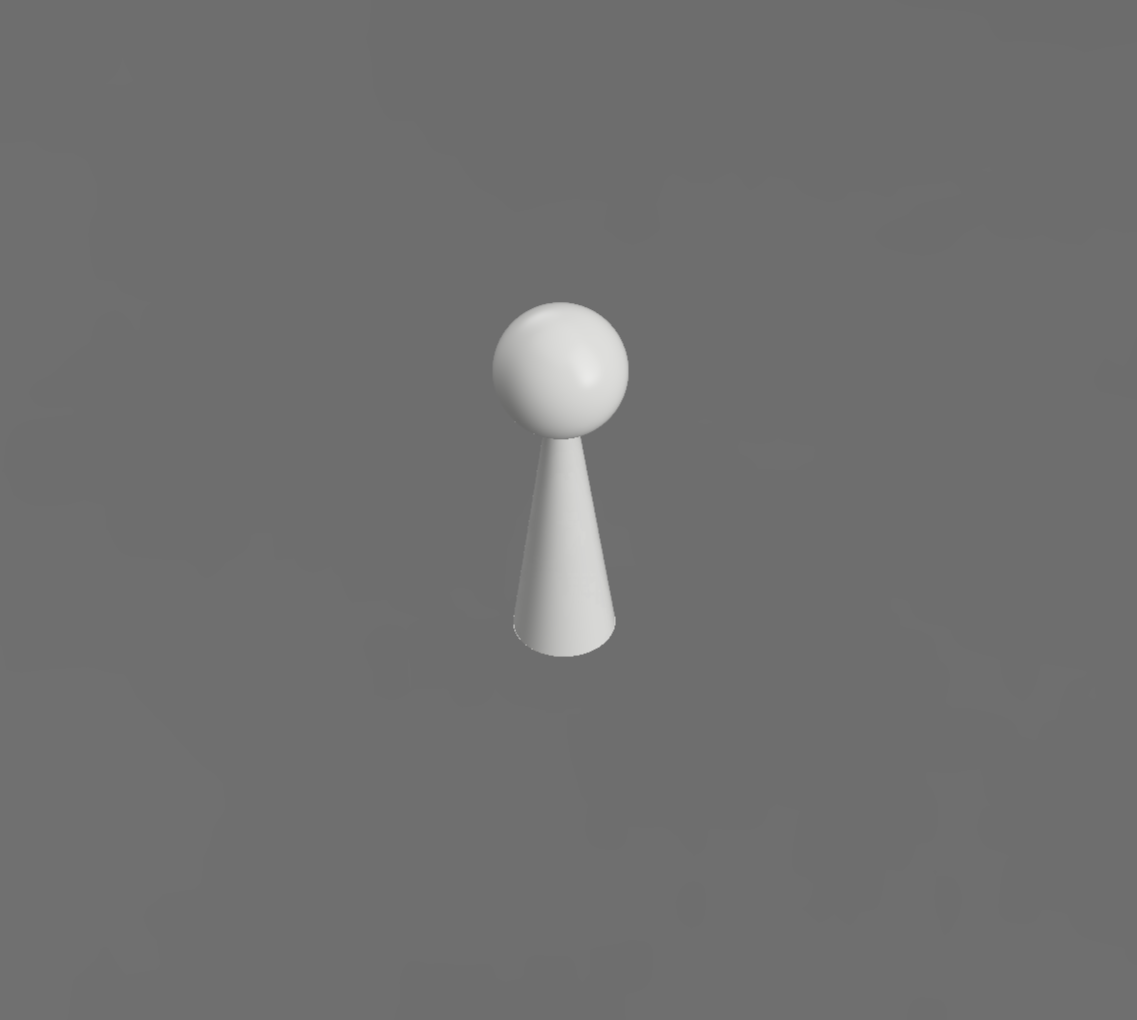
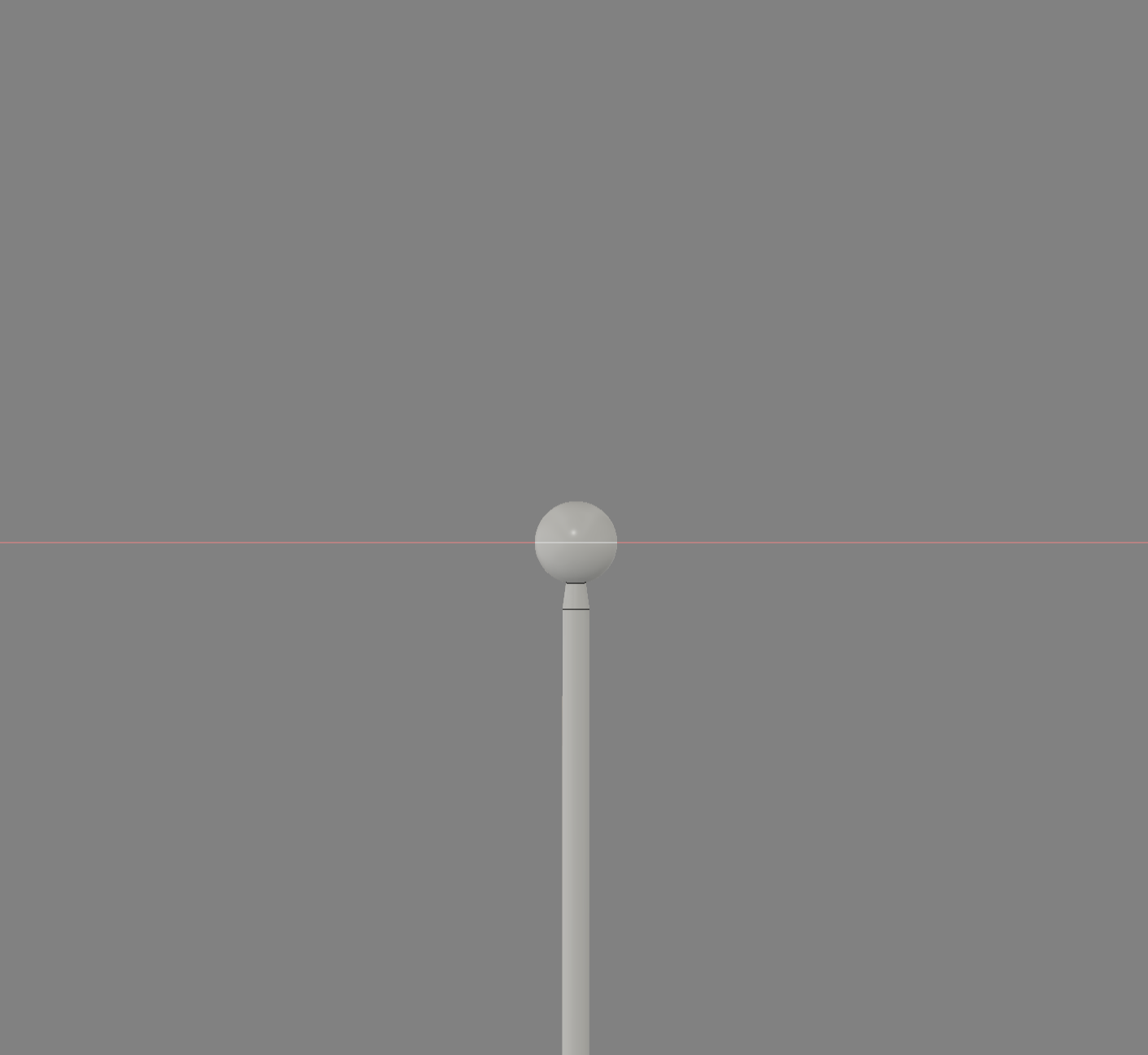
With convenient assembly, simply place the planets on a base using a 3-mm diameter wood skewer or similar and put planets onto a skewer using the hole provided or glue them on top.
Non skewer assembly
If you choose to print the version without skewers, simply place them on the stands included in the files to show them to everyone
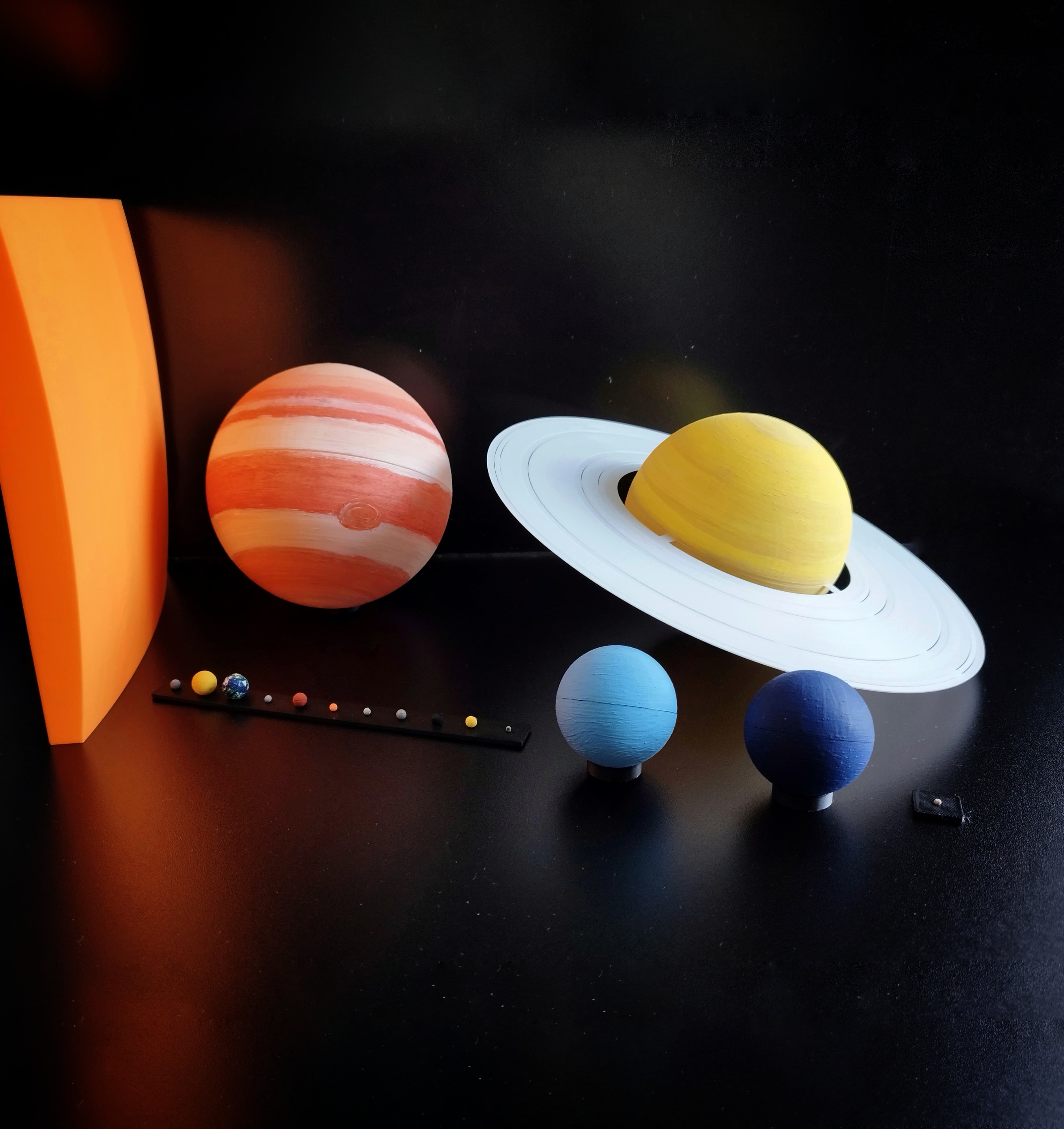

These model pieces can be arranged to reflect the order of the planets and their relative distances, providing a dimensional and spatially accurate representation.
Values for a recommended distance scale of 1 : 2398373983739 are already in the included PDF file. This unusual scale allows you to line up the planets in their order over a length of less than 2.5 metres, which is sufficient to space them out and avoid collisions between them, keeping them clearly separated and distinguishable in a smaller space. Use the included excel sheet to calculate the desired custom scale if this default one is not suitable for you.
Experimenting with different scales adds another layer of authenticity to your model, offering a dynamic and educational experience for enthusiasts of all ages.
Description of parts
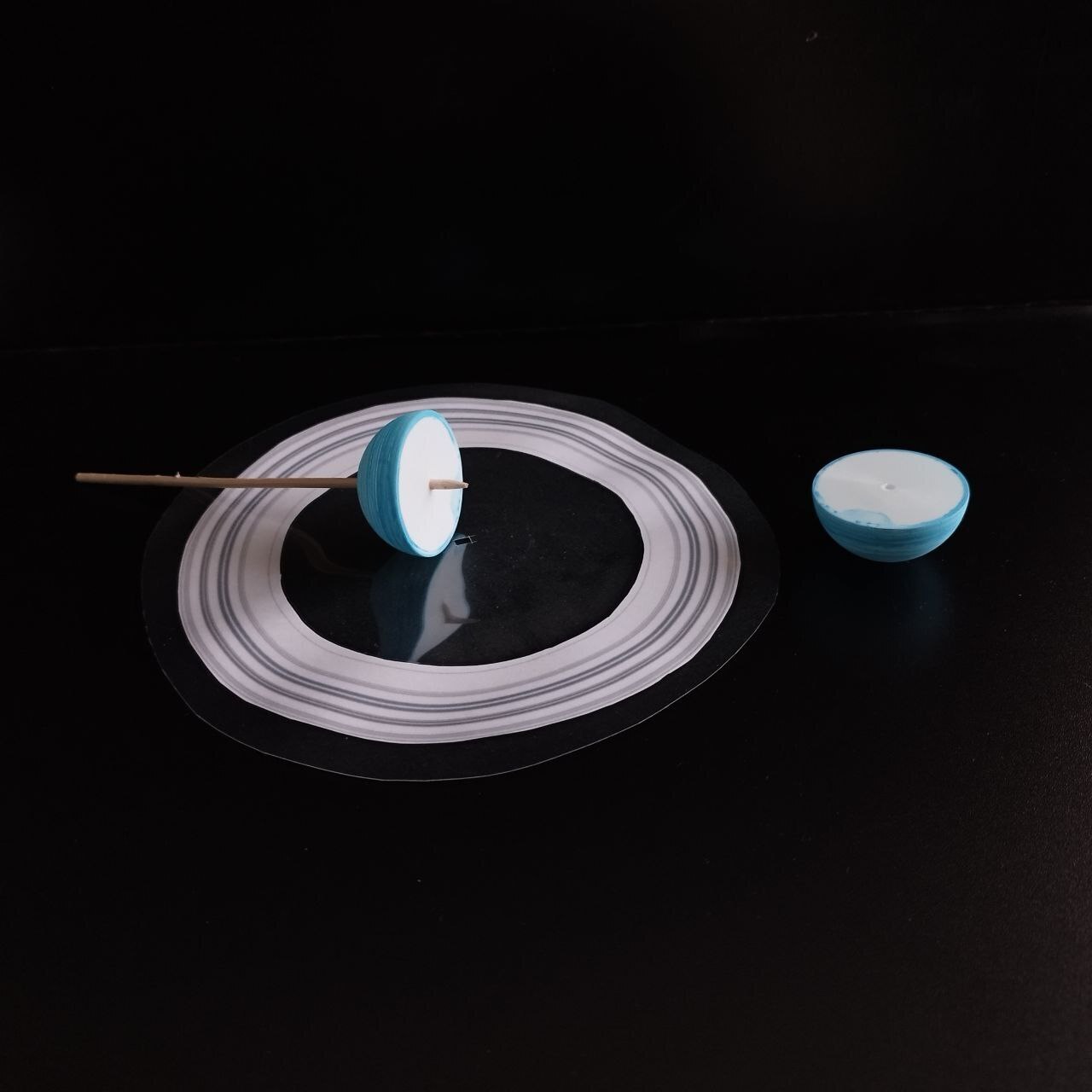
The larger model pieces, provided with a central hole for the skewer, can be 3D printed in two hemispheres. This facilitates printing and allows the structure of the Saturn and Uranus rings to be threaded between the two halves.
In the smaller pieces of the model, which cannot be threaded onto the skewer and are much smaller in size than the skewer, the pointed end tip of the skewer is already part of the piece itself; they should be glued on top of a skewer without a tip.
For Mercury, Venus, Earth, Mars, Pluto, Moon, Io, Ganymede, Callisto, Titan and Triton STL files are also available in versions without skewer tip already integrated into the part and without hole if, simply spheres to be printed into two hemispheres and glued together, ideal for display if you do not want to show it planets-on-a-skewer style. For the other planets the hole was kept as an aid for the coloring step. The hole if not used can be sealed.
Add Saturn and Uranus' iconic rings
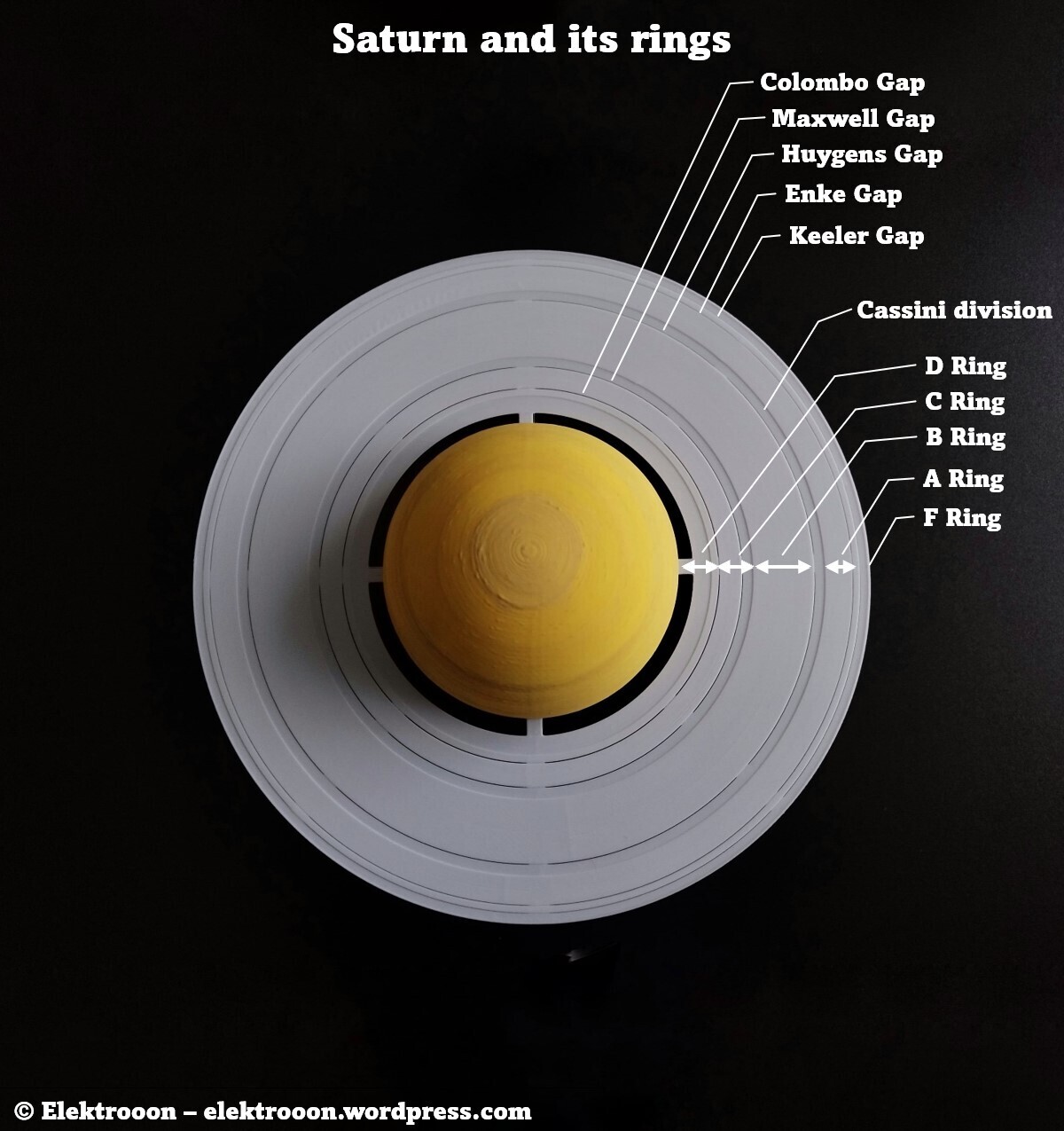
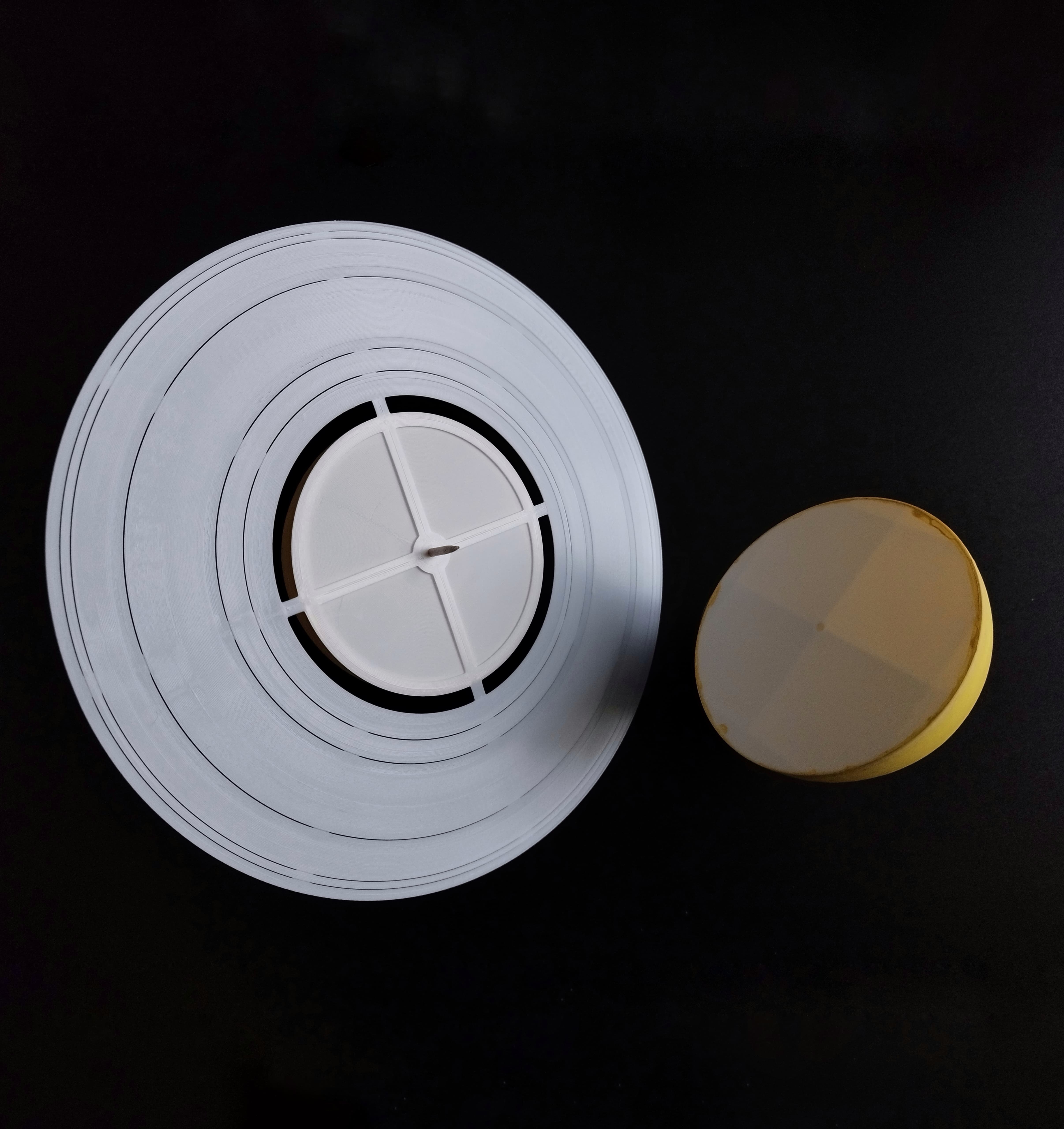
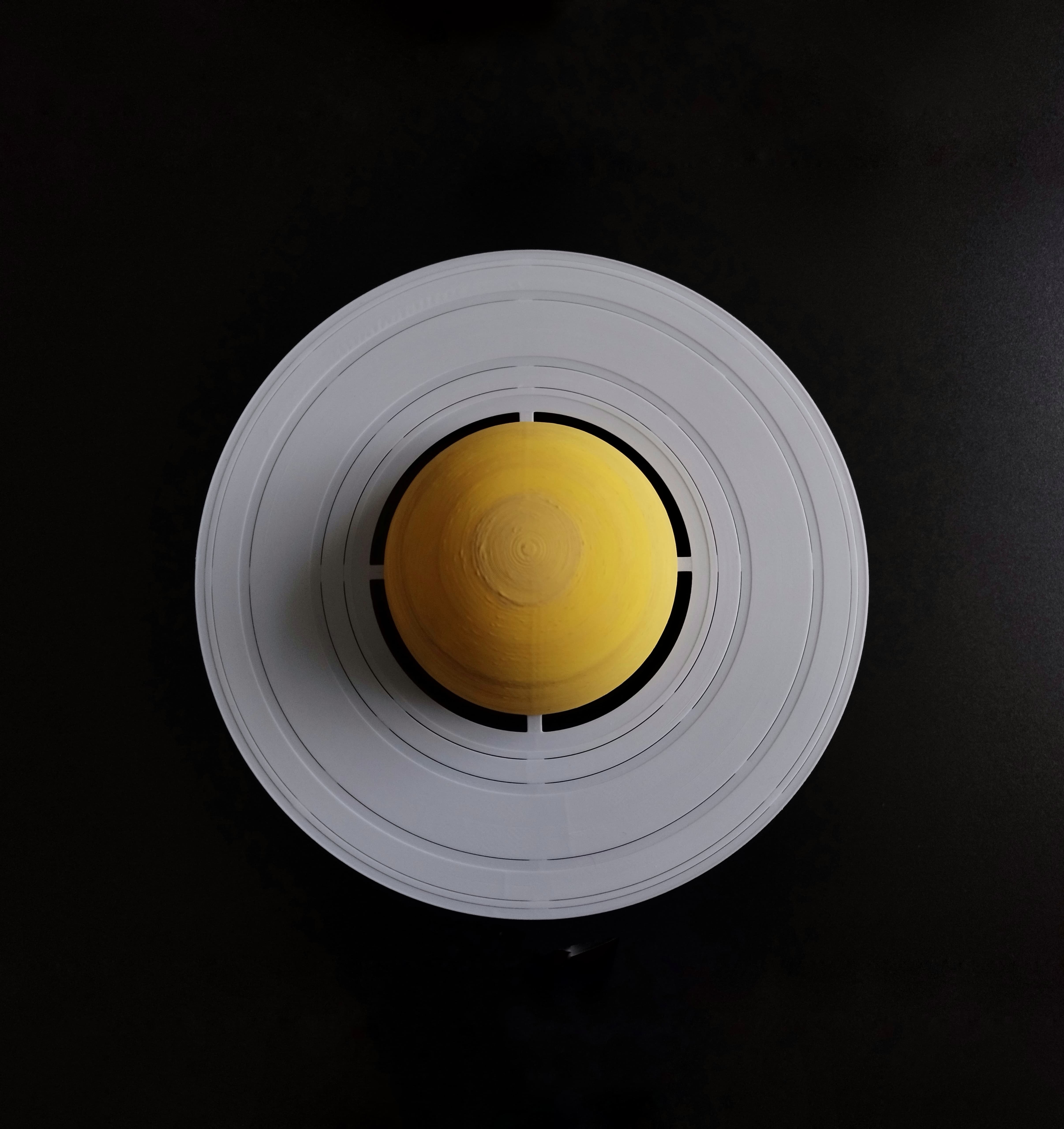
To add Saturn s' iconic rings you can use those included in the model to be 3D printed. Saturn's rings include gaps, division of the A, B, C, D and F rings in scale and different thicknesses to highlight less dense areas such as the Cassini division.

Otherwise to add Saturn and Uranus' iconic rings between the two halves, you can create them using either cardstock or by laminating a printed image onto paper to create a transparency effects.
This simple yet effective technique allows you to replicate the distinctive rings with ease, enhancing the overall authenticity of your Solar System model.
Suggestions for Uranus: create a paper annulus with an inner radius of 3.20 cm and an outer radius of 8.25 cm.
Suggestions for Saturn: create a paper annulus with an inner radius of 5.66 cm (beginning of the inner D ring) and an outer radius of 11.80 cm (end of the outermost visible F ring) or use the included 3D printed rings (suggested).
ℹ️NOTE: The recommended dimensions include the main and most visible rings but may need to be adjusted depending on what inner and outer rings you want to consider.
Matching these dimensions to pictures, or to a drawing, or simply colouring these paper annulus with colors will get you complete rings and should result in nice scaled representations.
Model colouring + texturing 🖌️
Enhance the realism of the moons and planets with acrylic colors. With the planets held securely in place by the skewer or with the included supports, you can easily add texture and detail following references from the web, achieving a more lifelike appearance.
Suggested website link and resources
● High resolution textures of the planets in 2D: https://www.solarsystemscope.com/textures/ (free and highly recommended)
● NASA JPL images: https://space.jpl.nasa.gov/tmaps/
● Planetarium and sky map: https://stellarium.org/
● Stellarium APP web/Android/iOS: https://stellarium-labs.com/
Suggested tools for painting
For coloring and to dry planets or smaller moons use this included handy stand I created especially that you can also use for other DIY activities. You can also download it separately for free here on Cults3D: ⬇️https://cults3d.com/en/3d-model/art/painting-support-small-spherical-pieces
Painting support small spherical pieces included with solar system pieces and also downloadable separately here: https://cults3d.com/en/3d-model/art/painting-support-small-spherical-pieces
:format(webp)/https://fbi.cults3d.com/uploaders/32956514/illustration-file/d3674485-d051-4f24-badf-7a65a65f9e78/PaintingSupportRealSideView.jpg)
Genesis of the project
Not finding the right materials or styrofoam balls in the right diameters — and considering most online models either imprecise, lacking supporting data, or based on arbitrary dimensions and scales — I decided to create my own version: a model I trust and fully understand, because I know exactly how it was designed and built. This version is intended to be accurately 3D printed to reflect realistic proportions.
Goals of the model
The goal is to create a complete model that includes all the most important and basic components to build your own miniature Solar System. It is designed with a clearly defined and precise scale, so you only need to focus on coloring, adding textures, and choosing how to best present or use the model.
Additionally, the inclusion of reference data supports the scale choices, ensuring that the sizes and distances are not arbitrary but carefully calculated and scientifically grounded.
Strengths and advantages of this particular model
Understanding the dimensions of space with a linear scale model you can make with your own hands, which you can touch, is definitely an interesting educational experience and really allows you to see with your own eyes what is around us in the universe.
In many solar system models you will find on the net, few provide the sources and data they used.
Often many models do not have all the planets at the same scale or use a logarithmic scale providing a distorted view of reality. This model, on the other hand, has only one scale and the data is verified and provided.
Furthermore, this model is geared towards practical use as it does not just contain simple spheres but pieces that have holes and supports for assembly, making the pieces ready to use, only to be coloured and positioned without the need to drill holes or damage the parts.
Few similar models give importance to moons when building a model of the solar system. They only make all planets and the Moon often without considering Pluto. The other moons of the other planets are also important and give a more complete view.
The Sun
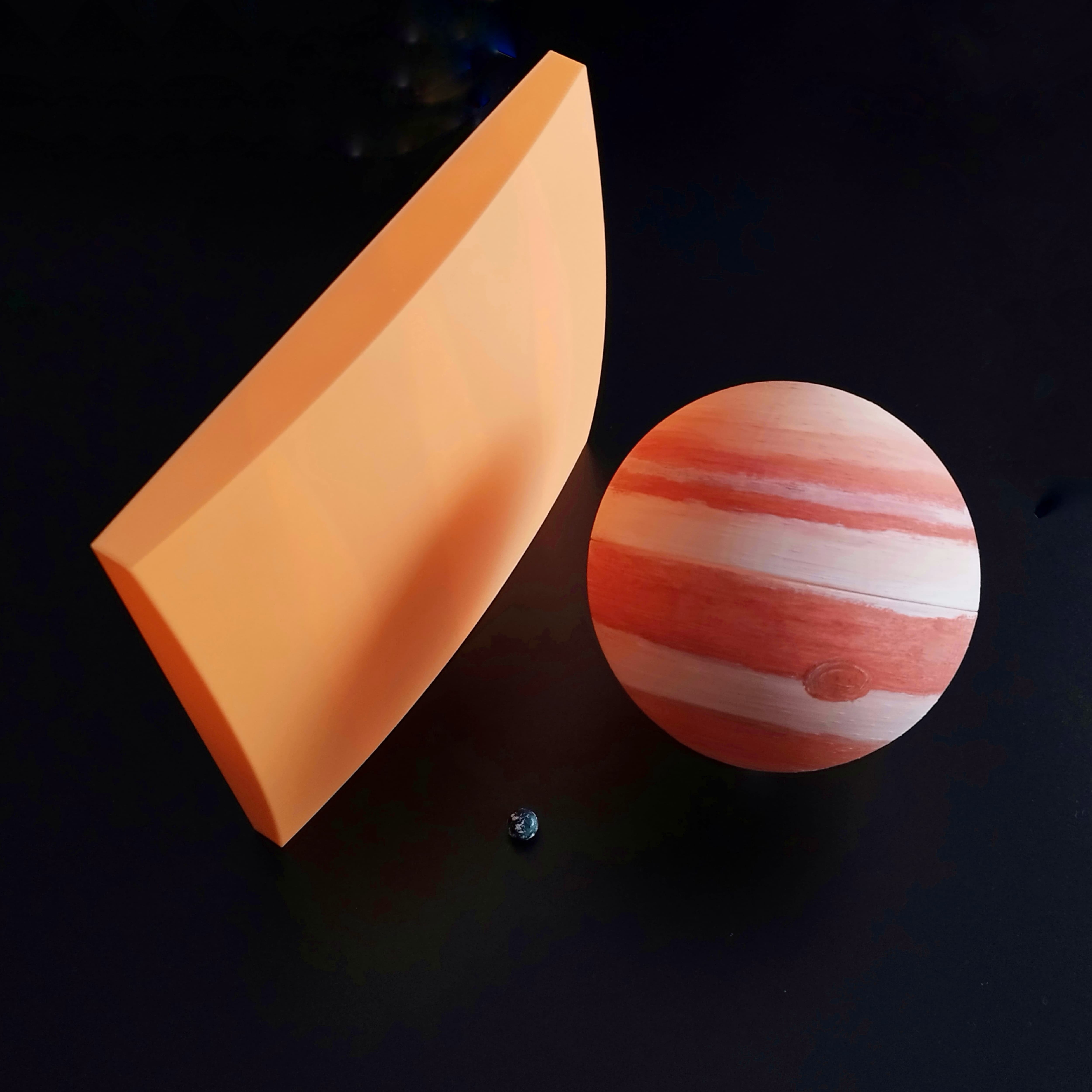
To add the Sun to your model, print the one included in the files to obtain a sufficiently large portion with the same scale to complete your solar system.
The complete Sun sphere isn't included in the model because it would need to be too large to scale 117 cm (46,063 inches) in diameter.
Alternatively, you can also use a large sphere, a large fitness ball or an LED lamp to represent it or join several sheets of paper together and cut out a circle of this size to place next to or under the model as a reference.
Image with 3D printed portion of the Sun compared with Jupiter and planet Earth:
The price of the model
The price of this 3D model is intended as a small token of appreciation for the work behind it. It is minimal compared to the time and effort dedicated to carefully designing, modelling in 3D, checking data, performing multiple test prints, using materials, and creating detailed photo and documentation and datasheet for you.
Your support helps sustain my work and allows me to continue developing new upgrades and additions to the model, which benefit both you and the entire community.
The model price may vary over time due to changes in exchange rates or due to promotional periods.
Remember that if the model is updated via Cults, you can re-download the updated version free of charge.
Any amount given above the minimum open price is greatly appreciated and will be reinvested into improving the model and developing additional parts for future upgrades and enhancements. Thank you so much for your support, I really appreciate it.
Disclaimer
Despite careful design, we do not accept responsibility and make no guarantee as to the accuracy of the dimensions utilized in the model, as dimensions may vary depending on approximations, 3D printing machine and process, and measurement criteria utilized. Read the "Read me file" included.
The black supports (used to keep the small planets, moons, Jupiter and Saturn in the images stationary, spaced and positioned) are included in the 3D files to download. They were developed mainly in origin for the photographic documentation process of my 3D model but they are also good for displaying the model without the various parts rolling away but also as a support during the colouring of the planets, so use it!
Info, contact and questions
For more information, for project and educational collaborations, details, support, tips, report issues, possible additions to the solar system model that you would like to have
and suggestions write a comment below in the model comment section or contact me via Cults3D message page or my website contact page wit my contact form (I will reply to the email address you provide). To avoid misunderstandings, prefer English in communications.
Where to find me:
● Cults3D: https://cults3d.com/en/users/Elektrooon
● My website (work and maintenance in progress):
- Home: https://elektrooon.wordpress.com/solar-system/
- Contact page and contact form: https://elektrooon.wordpress.com/contact/
● Instagram: https://www.instagram.com/_elektrooon_/
Support my work by buying me a coffee or making a donation here: https://ko-fi.com/elektrooon
MODEL UPDATES HISTORY
August 2025: added planets and moons support to use as display stands or during colouring process to keep in place planets and moons.
May 2025: added painting support for colouring and dry small planets and moons + added non-skewer version of small planets and moons
April 2025: Added scale portion of the Sun to the files
May 2024: added Saturn's rings
April 2024: added model datasheet and new moons to the model.
March 2024: initial release of the model
:format(webp)/https://fbi.cults3d.com/uploaders/32956514/illustration-file/20fbd029-7304-4c02-8780-9da11fd09b76/SolarSystemModelElektrooonCompleteGif170525.gif)
/https://preview3d-images.cults3d.com/flu8kgab68pgk317u03455oynujn)
/https://preview3d-images.cults3d.com/g1du6ggoaf08icvjyyh9oeomnoby)
/https://preview3d-images.cults3d.com/wjp490r9c1txnajrbcew1kgkyzrc)
/https://preview3d-images.cults3d.com/1515xy2ycfondbqp2wi0tq084fqv)
/https://preview3d-images.cults3d.com/cvzztsyqavr5e9u1o649ulhvlffm)
/https://preview3d-images.cults3d.com/mrdm86b4jah8yglqr2jltno4m6dp)
/https://preview3d-images.cults3d.com/yvjk4abf483o88z3yn53u6x8zcfj)
/https://preview3d-images.cults3d.com/ivvu1545ni9348ed4muir5cv1fn1)
/https://preview3d-images.cults3d.com/tinjswp7nfig78vhd9c16r3cyre6)
/https://preview3d-images.cults3d.com/o2aiqwodwnw90rj9gwxcl1d5nme5)
/https://preview3d-images.cults3d.com/6e6uap3f2i50dj5lxs3vvjzmpbb2)
/https://preview3d-images.cults3d.com/6bhc5wvg260318gr0yea57lxq6s0)
/https://preview3d-images.cults3d.com/di8is8gfvjk39cdy3pmhtj769l3e)
/https://preview3d-images.cults3d.com/hkjt87xxxglj7qaph18qd4jupqtv)
/https://preview3d-images.cults3d.com/anxlkma3fvxbe653gzavc7yo5e6c)
/https://preview3d-images.cults3d.com/dis253tsuuyiqrt3ypwk26dxap7e)
/https://preview3d-images.cults3d.com/yr2rvamj4mfhza6q7yd4z3hr0gj9)
/https://preview3d-images.cults3d.com/abmoz4454ko2fbocl9n7wmuu8fca)
/https://preview3d-images.cults3d.com/57r526e5nt4ic4d15zhe3s5w5400)
/https://preview3d-images.cults3d.com/fqmq7ryrd6ywgt439kbizfdofxeq)
/https://preview3d-images.cults3d.com/3wseorxgm8gul71fpiufqm2wo86d)
/https://preview3d-images.cults3d.com/3lxger4lui95xsey7b4otp8m2r81)
/https://preview3d-images.cults3d.com/clrvw0zmjnlpu2oxxjnmxundqo5d)
/https://preview3d-images.cults3d.com/44bpixn4qatxu32eqwf80a9waoam)
/https://preview3d-images.cults3d.com/l3oc4pzxbw3vg4ywcol169sdrwjb)
/https://preview3d-images.cults3d.com/mpa2xaa6kiz3yqajnrd7ye8hstfq)
/https://preview3d-images.cults3d.com/26mf336c508232djeua43qvqjk8u)
/https://preview3d-images.cults3d.com/rwpg2w3ioj90z8nwplg8gh0exdbe)
/https://preview3d-images.cults3d.com/hxc84p8s133434cgunizmkx0m18i)
/https://preview3d-images.cults3d.com/s8nb1c0wvwazbskjvi4wdm02a57o)
/https://preview3d-images.cults3d.com/xh86q5ihioojz4ya8k1f9eu6u0od)
/https://preview3d-images.cults3d.com/6fth9pwo8ifo3z6e6k5gm0jmd7l0)
/https://preview3d-images.cults3d.com/dcwe6ya6nyvmh7jmbb4trvg1tssy)
/https://preview3d-images.cults3d.com/v7rga93tva13nrw9zsl06zi0r302)







/https://preview3d-images.cults3d.com/2mee9huorymivhh2efg1yk7ema7i)
/https://preview3d-images.cults3d.com/laccdp13gwvthqb6h2ohb7xnlyka)
/https://preview3d-images.cults3d.com/tdzt8xo9xu05fxdpmt6m7wzyw83e)
/https://preview3d-images.cults3d.com/uixya5bt5so5v2j83xexj6ddn6qr)
/https://preview3d-images.cults3d.com/02zl54sr8sj0mqa054y1d7qkug8a)
/https://preview3d-images.cults3d.com/ktrgz0pkfn1m9aybvwakww7vt0en)
/https://preview3d-images.cults3d.com/ppy22obz9rr6n2cei8opxxziyjj8)
/https://preview3d-images.cults3d.com/pzl37p5yada8f36a6sdis4owvrk9)
/https://preview3d-images.cults3d.com/qymlmy6yljoyx6l42u5gljmbv20g)
/https://preview3d-images.cults3d.com/rew4ho26u0axc5swte07cect5yh4)
/https://preview3d-images.cults3d.com/tpefwvos12hcikp5d4yzqqhwddsf)
/https://preview3d-images.cults3d.com/vk7jcrrdqpu8dhfk4b1gxxxn9yw2)
/https://preview3d-images.cults3d.com/cdrrtdoseq7n4i1k9nzt78a9hfuc)
/https://preview3d-images.cults3d.com/je899tap0r3ixhluc0bpg3tncjvl)
/https://preview3d-images.cults3d.com/8kg6aefcgqqfevkef5yablelogn3)
/https://preview3d-images.cults3d.com/07glqabj6hwr7iilm0fg5v59xjk7)
/https://preview3d-images.cults3d.com/8lzasq8cvt1m1geo4yjdtyjsrnjn)
/https://preview3d-images.cults3d.com/diwzjexl91xi2q1gnm7rwvfm7338)
/https://preview3d-images.cults3d.com/9zabx6ubd8a6atwlzipgy0iic6kj)
/https://preview3d-images.cults3d.com/8afpqadmn5p22mma448dt1mlq72a)
/https://preview3d-images.cults3d.com/euincmp1vyn3yidct5gmwehcizlm)
/https://preview3d-images.cults3d.com/psx5rmoe8em0majxv0livk3djib1)
/https://preview3d-images.cults3d.com/ffiiy78e90kxz5y5wfi2o4tax3mt)
/https://preview3d-images.cults3d.com/uyaj83plm10rsw8480vh15axyufj)
/https://preview3d-images.cults3d.com/ynjehgkr8kcxppo3bnhasaio5dcc)
/https://preview3d-images.cults3d.com/ifj2knckwshthrunur05fuuzib0e)
/https://preview3d-images.cults3d.com/4vimzliz139qr2k1268r8nn699am)
/https://preview3d-images.cults3d.com/bc104dqbl1nbok11wfe3au5ap2j1)
/https://preview3d-images.cults3d.com/rz8oxweblzccd1bbmzi8h884yyxd)
/https://preview3d-images.cults3d.com/2nk7o93675trpkbgyt5pf2zo2nv1)
/https://preview3d-images.cults3d.com/sm6a2awt8n73q7ebtchobhzwukys)
/https://preview3d-images.cults3d.com/kmhugampxzq55j9zb5k01t5ijnpw)
/https://preview3d-images.cults3d.com/zkm6oa3w1gquqegq2hhciubsh84r)
/https://preview3d-images.cults3d.com/y9khnopmm8vsssg6ylc1aj6x3o0t)



:still()/https://fbi.cults3d.com/uploaders/32956514/illustration-file/b0d3c366-77d4-470a-bd51-b44360568b7c/SolarSystemModelCaliperGaugeModellingClayV1_gif2.gif)
:still()/https://fbi.cults3d.com/uploaders/32956514/illustration-file/94e87870-030f-4edc-a982-fd145081e158/GlobeWorldMap3D.gif)
:format(webp)/https://fbi.cults3d.com/uploaders/32956514/illustration-file/0dbfef02-004a-462c-8d61-03a24f684a10/MoonPhaseModelViewSide.jpg)