3Dモデルの説明
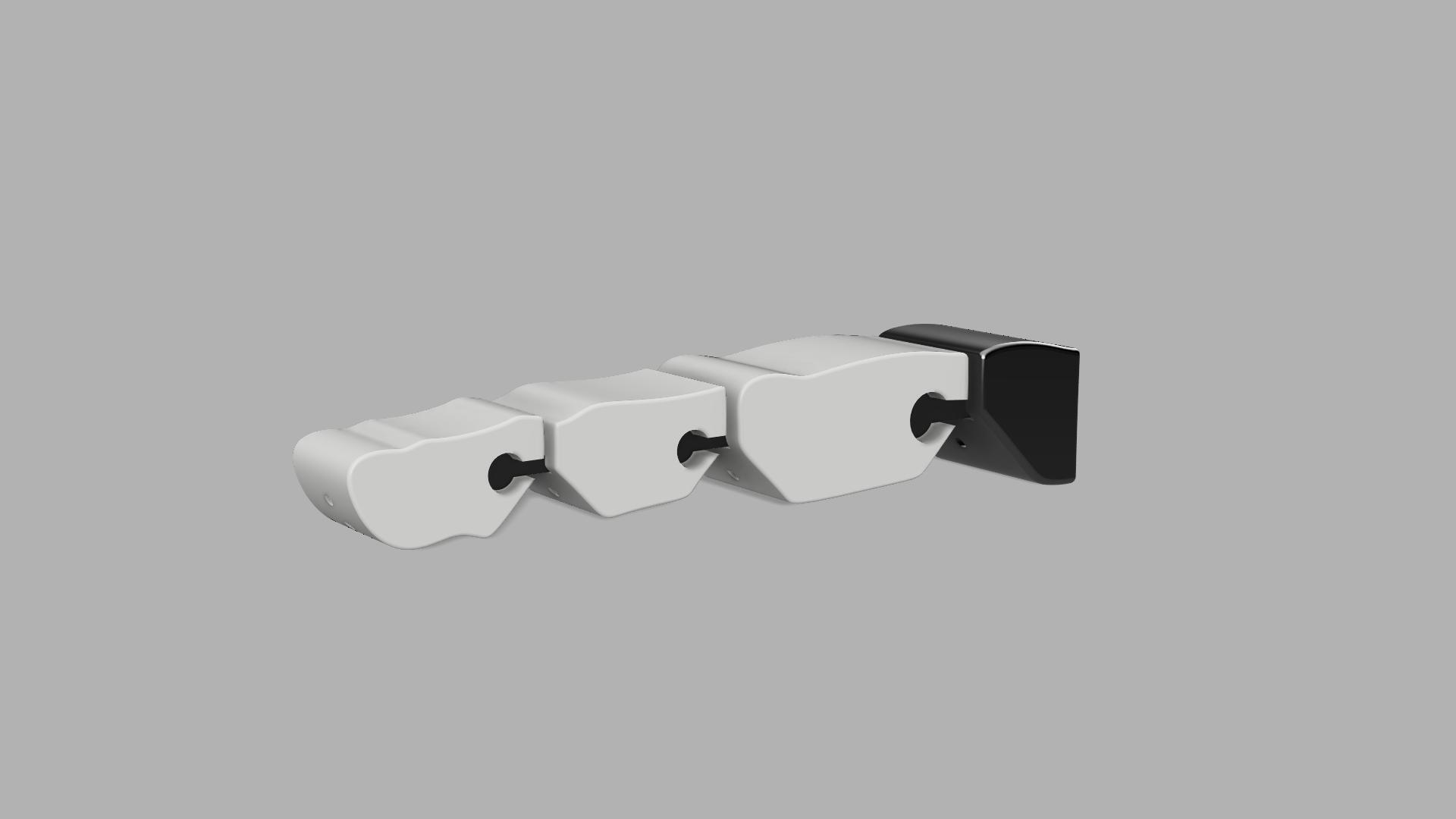
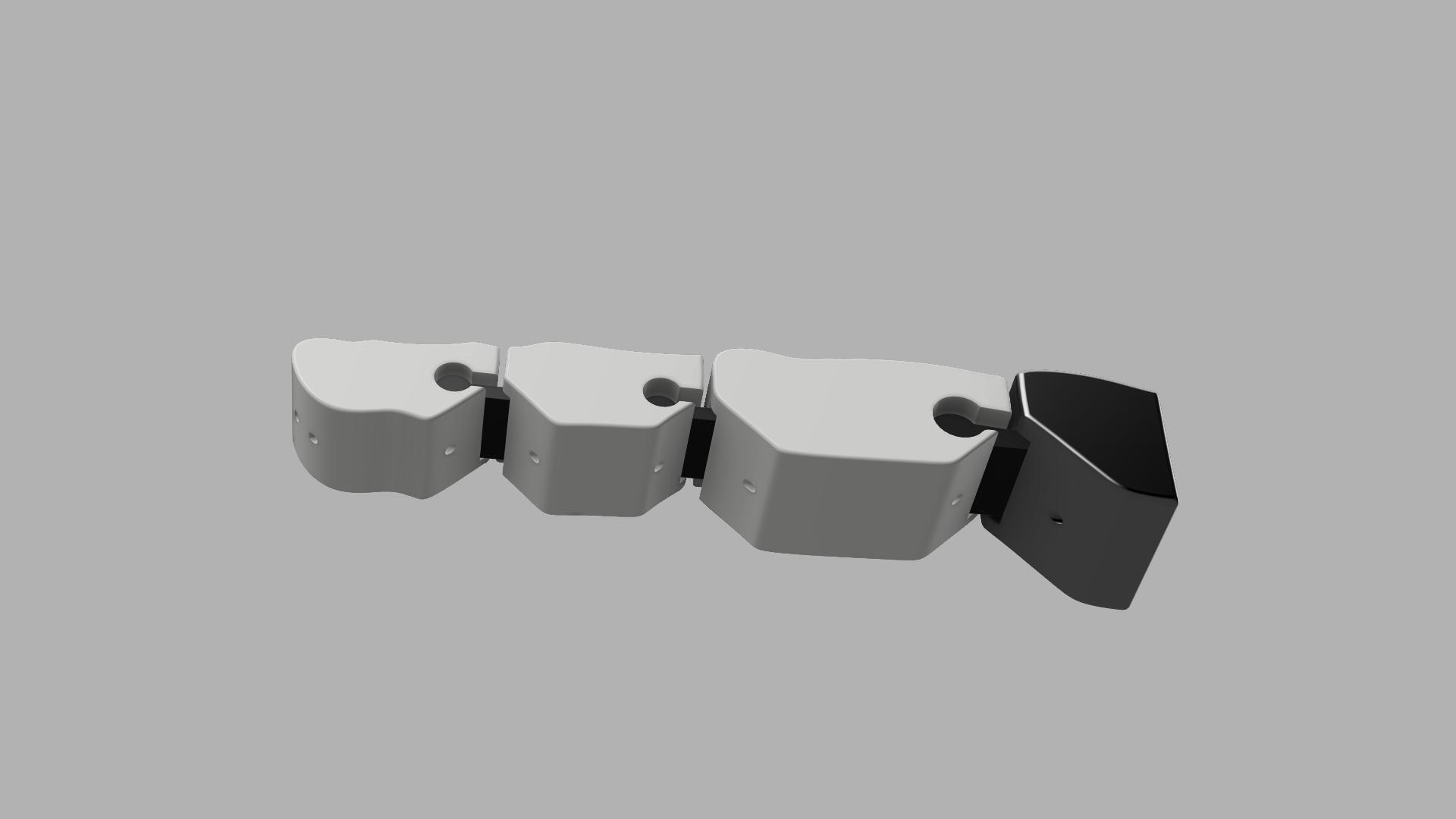
Empower mobility and restore function with this Standard Functional Finger Prosthetic. This mechanical design is engineered for individuals with partial finger amputations, utilizing a tendon-driven system (via nylon strings or elastic cords) to allow for a natural gripping motion. The "Standard" design focuses on a balance between slim aesthetics and structural durability, making it suitable for everyday tasks and helping users regain independence through accessible 3D printing.
What sets this project apart is the inclusion of the original Fusion 360 (.f3d) source file. This allows makers and clinicians to adjust the length, diameter, and joint tolerances to create a bespoke fit for the end-user. Whether you are a biomedical engineer, a student, or a maker looking to help someone in need, this functional model provides a reliable, tested foundation for high-performance assistive bionics.
3Dプリント設定
For a functional prosthetic, material choice is critical; I recommend printing in PETG, Nylon, or Carbon Fiber PLA for superior impact resistance and durability. Use a fine layer height of 0.12mm or 0.16mm to ensure the internal channels for the "tendon" strings are smooth and free of obstructions. Set your wall count to at least 5 perimeters to ensure the pivot pins and joints can handle the mechanical tension during use.
The parts are designed to be printed with minimal supports, but "Tree Supports" are recommended for the joint hinges to maintain perfect circularity. Orientation is key: print the segments horizontally to maximize the strength along the length of the finger. Once printed, use high-test fishing line or specialized nylon thread for the pull-mechanism and small elastic bands for the extension return, ensuring a smooth and responsive mechanical action.
:format(webp)/https://fbi.cults3d.com/uploaders/47431717/illustration-file/af37a324-60c0-4923-ae31-b112f1bde76e/Fingers-Design_3.jpg)
/https://preview3d-images.cults3d.com/jw3sn1qfeyn8k3th1jmb9ji69zik)
/https://preview3d-images.cults3d.com/rspb2i9xjwjg61ho9hg2wfj27qo9)


/https://preview3d-images.cults3d.com/uv510heej63hi7n5uyxab7cb94ay)
/https://preview3d-images.cults3d.com/klb7grub5f2pyumji5vbacytniwd)



:format(webp)/https://fbi.cults3d.com/uploaders/47431717/illustration-file/8a7b7251-b864-4942-a3ac-54ba6a02ca69/Biomechanical-Prosthetic-Leg-DOG______________.png)